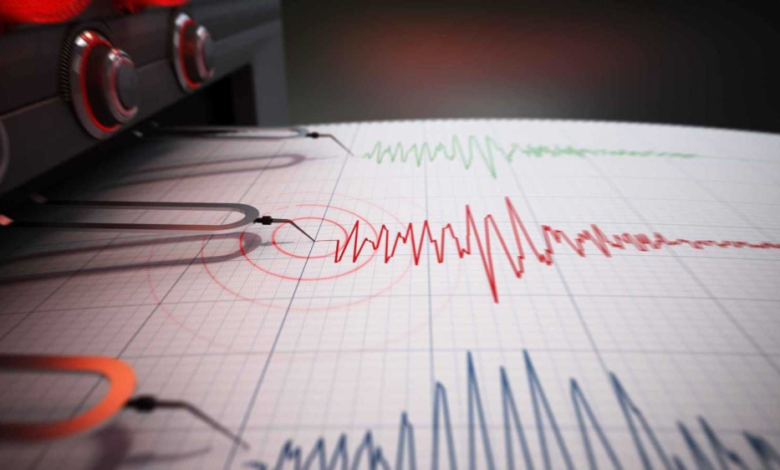

ضرب زلزال يضرب جزر فيجي بقوة 5 درجات على مقياس ريختر، اليوم الاثنين، مثيراً حالة من القلق المؤقت في المنطقة الواقعة جنوب المحيط الهادئ. وأفادت هيئة المسح الجيولوجي الأمريكية (USGS) أن مركز الهزة الأرضية كان على عمق كبير بلغ حوالي 568 كيلومترًا، وهو عامل حاسم ساهم في الحد من الشعور به على السطح ومنع وقوع أضرار مادية أو خسائر بشرية.
وعلى الرغم من أن الزلزال يصنف على أنه متوسط القوة، إلا أن التقارير الأولية من السلطات المحلية في فيجي أكدت عدم تسجيل أي إصابات أو أضرار في الممتلكات. كما لم يصدر أي تحذير من احتمالية حدوث أمواج تسونامي، نظرًا لطبيعة الزلزال العميقة التي نادرًا ما تسبب اضطرابات كبيرة في مياه المحيط.
جزر فيجي والتعايش مع نشاط “حزام النار”
تقع جمهورية جزر فيجي، وهي أرخبيل يضم أكثر من 300 جزيرة، ضمن ما يُعرف بـ “حزام النار” في المحيط الهادئ. هذه المنطقة هي عبارة عن حزام تكتوني هائل على شكل حدوة حصان يمتد لمسافة 40 ألف كيلومتر، ويشتهر بنشاطه الزلزالي والبركاني المكثف، حيث يقع فيه حوالي 90% من زلازل العالم. يعود هذا النشاط إلى حركة الصفائح التكتونية، وتحديداً التقاء صفيحة المحيط الهادئ مع صفيحة المحيطين الهندي والأسترالي، مما يجعل الهزات الأرضية حدثًا متكررًا في المنطقة. وقد طورت المجتمعات المحلية في فيجي ودول الجوار آليات للتكيف والتعايش مع هذه الظواهر الطبيعية، مع بنية تحتية مصممة في كثير من الأحيان لمقاومة الهزات المعتدلة.
أهمية العمق الزلزالي في تخفيف الأضرار
يلعب عمق الزلزال دورًا محوريًا في تحديد حجم تأثيره على سطح الأرض. فالزلازل التي تحدث على أعماق كبيرة، مثل هذا الزلزال الذي وقع على عمق 568 كيلومترًا، تُعرف بالزلازل العميقة. تتبدد طاقة هذه الزلازل بشكل كبير أثناء انتقال موجاتها عبر طبقات الأرض المختلفة قبل وصولها إلى السطح، مما يقلل من شدة الاهتزازات بشكل ملحوظ. وعلى النقيض، فإن الزلازل السطحية (التي تحدث على عمق أقل من 70 كيلومترًا) تكون أكثر تدميرًا حتى لو كانت بنفس القوة، لأن طاقتها تصل إلى السطح مباشرة وبقوة أكبر. لذلك، كان العمق الكبير لهذه الهزة هو “صمام الأمان” الذي حال دون تحولها إلى كارثة محتملة، وهو ما يفسر عدم وجود تقارير عن أضرار جسيمة.