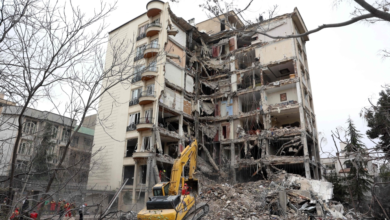

شهدت العاصمة الكوبية "هافانا"، اليوم، حدثاً جيولوجياً مقلقاً، حيث ضرب زلزال بلغت قوته 5.5 درجات على مقياس ريختر المدينة ومحيطها، مما أثار حالة من الترقب والحذر بين السكان والسلطات المحلية. ويأتي هذا الحدث ليعيد تسليط الضوء على النشاط الزلزالي في منطقة البحر الكاريبي.
تفاصيل الهزة الأرضية وبيانات الرصد
وفقاً للبيانات الصادرة عن المركز الأوروبي المتوسطي لرصد الزلازل، تم رصد الهزة الأرضية في البداية بقوة 5.9 درجات، قبل أن يتم تعديل القراءة وتخفيضها لاحقاً لتستقر عند 5.5 درجات. وأشارت التقارير التقنية إلى أن الزلزال وقع على عمق ضحل نسبياً يبلغ 15 كيلومتراً فقط، وهو ما يفسر شعور السكان بقوة الهزة بشكل أوضح مقارنة بالزلازل العميقة.
السياق الجيولوجي والنشاط الزلزالي في المنطقة
تعتبر كوبا ومنطقة البحر الكاريبي بشكل عام منطقة ذات نشاط زلزالي معتدل إلى مرتفع، نظراً لوقوعها بالقرب من حدود الصفائح التكتونية، وتحديداً التفاعل بين صفيحة أمريكا الشمالية وصفيحة البحر الكاريبي. وعلى الرغم من أن الجزء الشرقي من كوبا (مثل سانتياغو دي كوبا) هو الأكثر عرضة تاريخياً للزلازل القوية بسبب قربه من صدع "أورينتي"، إلا أن وقوع زلزال مؤثر بالقرب من العاصمة هافانا في الغرب يعد حدثاً يستدعي الانتباه والمتابعة الدقيقة من قبل الجيولوجيين.
تأثير عمق الزلزال والبنية التحتية
يعد عمق الزلزال (15 كم) عاملاً حاسماً في مدى تأثيره على السطح؛ فالزلازل الضحلة تميل لإحداث اهتزازات أقوى في المناطق القريبة من المركز السطحي. وتكتسب هذه الهزة أهمية خاصة نظراً لطبيعة العاصمة هافانا، التي تشتهر بمبانيها التاريخية والقديمة، مما يجعل أي نشاط زلزالي، حتى وإن كان متوسط القوة، مصدراً للقلق بشأن سلامة المنشآت والبنية التحتية التي قد لا تكون مصممة جميعها لمقاومة الزلازل الحديثة.
إجراءات السلامة والمتابعة الدولية
في أعقاب الهزة، عادة ما تقوم السلطات المحلية وهيئات الدفاع المدني بتفعيل بروتوكولات الطوارئ القياسية، والتي تشمل تفقد المباني والمنشآت الحيوية للتأكد من عدم وجود تصدعات خطيرة. كما يتابع المجتمع الدولي والمراكز البحثية، مثل المركز الأوروبي المتوسطي، الوضع عن كثب لرصد أي توابع زلزالية محتملة (Aftershocks) قد تلي الهزة الرئيسية، وهو أمر شائع في مثل هذه الظواهر الطبيعية.
وحتى اللحظة، تقتصر التقارير الرسمية على البيانات الزلزالية دون تأكيدات فورية عن حجم الخسائر المادية الكبيرة، إلا أن الحذر يظل سيد الموقف في الساعات القادمة لضمان سلامة المواطنين والمقيمين في العاصمة الكوبية.