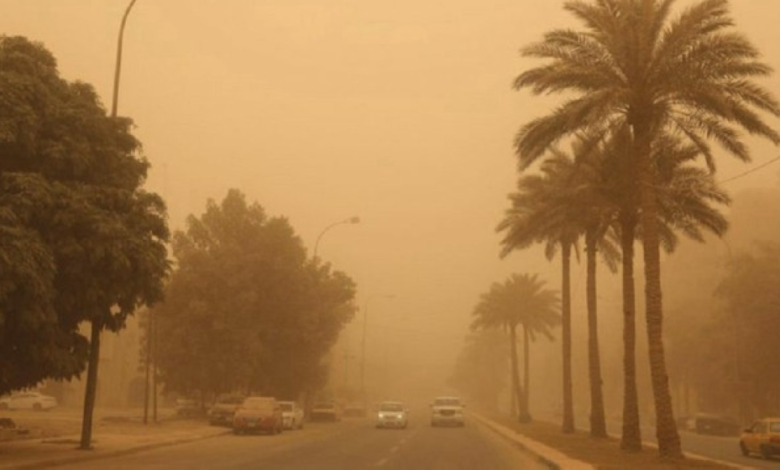
The Eastern Province of Saudi Arabia achieved a remarkable environmental milestone, recording a significant decrease in dust storm activity during February 2026, reaching 54% compared to the historical average for this time of year. This improvement encompasses major cities and governorates such as Al-Ahsa, Dammam, Dhahran, and Hafr Al-Batin, reflecting the early success of the Kingdom's strategic environmental plans.
Regional Center Report: Overall Improvement in Air Quality
These promising figures were included in a comprehensive report issued by the Regional Center for Dust and Sandstorms, which revealed a general decrease in dust storms across the Kingdom by up to 59%. This center is one of the outcomes of the Green Middle East Initiative and aims to develop sustainable solutions to mitigate sandstorms, which have long impacted public health and the economy in the region.
In the details of the report, the Central Region (Riyadh, Dawadmi, Wadi Al-Dawasir, Al-Kharj) topped the list of the most improved regions with a decrease of 65%, followed by the Northern Borders Region (Rafha, Arar, Tarif) with a decrease of 56%, indicating the recovery of vegetation cover and soil stability in large areas of the country.
The six factors behind this achievement
Experts at the center attributed this positive shift to the convergence of six key strategic and environmental factors, foremost among them the efforts of the environmental system and the outcomes of the "Saudi Green Initiative," which aims to plant 10 billion trees and combat desertification. The cloud seeding program also played a pivotal role in increasing rainfall rates, which contributed to soil stabilization and reduced dust storms.
In addition, strict measures to regulate grazing and prevent illegal logging have contributed to protecting natural vegetation cover, in conjunction with a decrease in the activity of northern air masses, which has greatly reduced the severity of sandstorms.
Expected economic and health impact
This decrease in dust storms has significant implications beyond the environmental aspect. From a health perspective, reduced dust means fewer asthma attacks and respiratory illnesses, which cost the healthcare sector enormous sums annually. Economically, improved visibility contributes to higher safety on highways and reduces disruptions to air traffic and navigation, while also supporting the tourism sector and enhancing quality of life—all of which aligns with the goals of Saudi Vision 2030 to create a healthy and sustainable environment.