
تحذيرات رسمية من تمدد الوباء
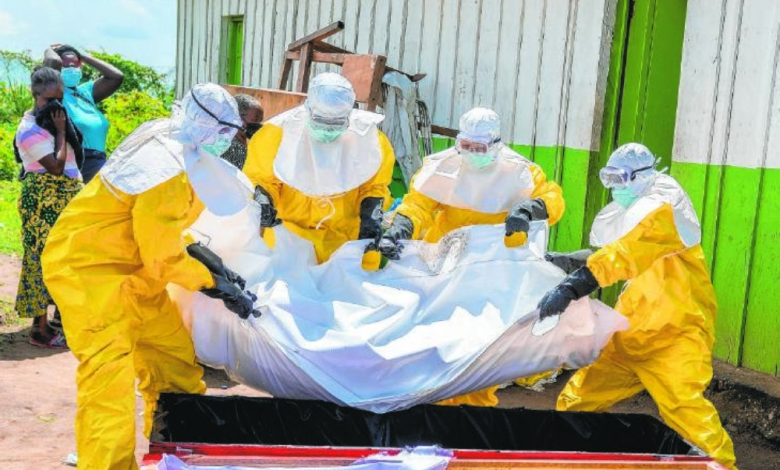
أطلقت المراكز الإفريقية لمكافحة الأمراض والوقاية منها، التابعة للاتحاد الإفريقي، تحذيراً شديد اللهجة بشأن تزايد احتمالات تفشي فيروس إيبولا في القارة السمراء. وأكدت التقارير الصحية أن هناك 10 دول إفريقية أصبحت مهددة بشكل مباشر ومعرضة لخطر انتقال العدوى إليها، وذلك في ظل تفاقم الأزمة الصحية في كل من جمهورية الكونغو الديمقراطية وأوغندا، اللتين تعتبران حالياً البؤرة الرئيسية والمركز النشط للوباء الحالي.
الدول المهددة وإحصائيات مقلقة
خلال مؤتمر صحفي، أوضح الدكتور جان كاسيا، المدير العام للمراكز الإفريقية لمكافحة الأمراض، أن قائمة الدول المعرضة لخطر انتقال وانتشار الفيروس تشمل: جنوب السودان، رواندا، كينيا، تنزانيا، إثيوبيا، جمهورية الكونغو، بوروندي، أنغولا، جمهورية إفريقيا الوسطى، وزامبيا. وأشار إلى حقيقة تاريخية مقلقة، وهي أن هذا الوباء يحمل الرقم 17 في تاريخ جمهورية الكونغو الديمقراطية، ويُصنف حالياً كثاني أكبر وباء يشهده العالم من حيث الانتشار والخطورة.
تأتي هذه التحذيرات القارية غداة إعلان منظمة الصحة العالمية عن رصد ما يقرب من 750 إصابة محتملة بفيروس إيبولا، إلى جانب تسجيل 177 حالة وفاة يُعتقد أنها على صلة بالمرض في الكونغو الديمقراطية، والتي تشهد انتشاراً سريعاً للوباء.
السياق التاريخي لفيروس إيبولا
لفهم حجم الكارثة المحتملة، يجب النظر إلى التاريخ الوبائي لهذا الفيروس. تم اكتشاف فيروس إيبولا لأول مرة في عام 1976 بالقرب من نهر إيبولا في ما يعرف الآن بجمهورية الكونغو الديمقراطية. ومنذ ذلك الحين، شهدت القارة الإفريقية عدة تفشيات خطيرة، كان أسوأها على الإطلاق تفشي غرب إفريقيا بين عامي 2014 و2016، والذي ضرب غينيا وليبيريا وسيراليون، وأسفر عن إصابة أكثر من 28 ألف شخص ووفاة ما يزيد عن 11 ألفاً. هذا التاريخ يجعل من أي تفشٍ جديد جرس إنذار يستدعي تدخلاً دولياً فورياً لتجنب تكرار المأساة الإنسانية.
التأثير المتوقع والأهمية الاستراتيجية للحدث
إن تفشي فيروس إيبولا لا يقتصر تأثيره على الجانب الصحي فحسب، بل يمتد ليشمل أبعاداً اقتصادية واجتماعية عميقة على مختلف الأصعدة:
- على الصعيد المحلي والإقليمي: يفرض الفيروس ضغوطاً هائلة على أنظمة الرعاية الصحية الهشة في الدول الإفريقية المهددة. كما أن إغلاق الحدود المحتمل وتوقف حركة التجارة البينية سيؤديان إلى خسائر اقتصادية فادحة، ناهيك عن حالة الذعر المجتمعي التي تعرقل الحياة اليومية. التداخل الجغرافي والحدود المفتوحة بين هذه الدول العشر تجعل من السيطرة على الفيروس تحدياً لوجستياً معقداً.
- على الصعيد الدولي: في عصر العولمة وسهولة السفر، لا يبقى أي وباء حبيس حدوده الجغرافية. تفشي إيبولا يمثل تهديداً للأمن الصحي العالمي، مما يستدعي استنفاراً من قبل منظمة الصحة العالمية والمنظمات المانحة لتوفير اللقاحات المعتمدة، مثل لقاح “إيرفيبو” (Ervebo)، وتعزيز برامج التتبع الوبائي. الاستجابة السريعة الآن هي خط الدفاع الأول لمنع تحول هذا التفشي الإقليمي إلى أزمة صحية عالمية.
خطوات استباقية مطلوبة
لمواجهة هذا الخطر الداهم، تشدد السلطات الصحية على ضرورة تفعيل خطط الطوارئ، وتكثيف حملات التوعية المجتمعية حول طرق انتقال المرض وكيفية الوقاية منه. كما يُعد التعاون الإقليمي والدولي في تبادل المعلومات الوبائية وتوفير الموارد الطبية واللوجستية أمراً حاسماً لمحاصرة الفيروس في مهده قبل أن يمتد ليحصد المزيد من الأرواح.