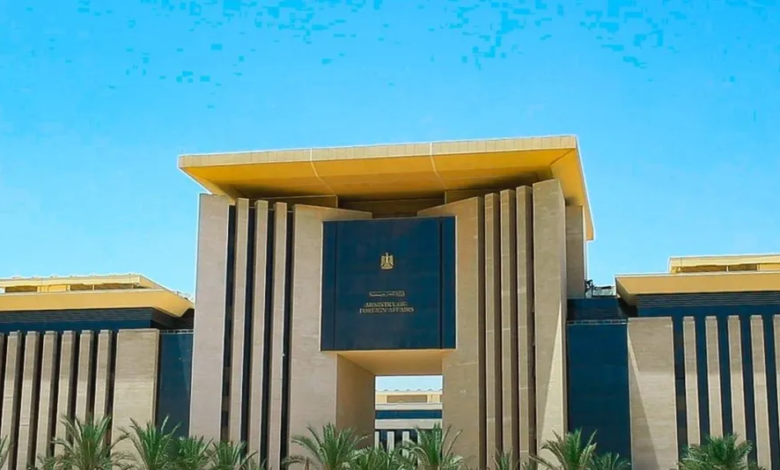

As part of the Egyptian state’s efforts to launch its new republic, the government is intensifying its efforts to encourage diplomatic missions and foreign embassies to move their headquarters from Cairo to the new administrative capital , specifically to the diplomatic quarter, which was designed according to the latest international standards to be a model headquarters for international missions.
The Diplomatic Quarter: The future destination for international missions
The Diplomatic Quarter is one of the most prominent districts in the New Administrative Capital, spanning a vast area designated to accommodate embassies, consulates, and the headquarters of international organizations. Through this plan, the Egyptian government aims to provide a comprehensive and secure working environment for diplomats, equipped with smart infrastructure and a modern road network connecting the quarter to the rest of the capital and the international airport. Many countries have already begun the process of reserving land and constructing their new headquarters, responding to the Egyptian invitation and taking advantage of the available facilities.
General context and historical background of the project
This move is an integral part of Egypt's Vision 2030, launched by President Abdel Fattah al-Sisi, which aims to alleviate population and traffic pressures on Greater Cairo, a city that has suffered from overcrowding for decades. Since the announcement of the New Administrative Capital project in 2015, the government has been working to relocate ministries, government agencies, and parliament there, making the transfer of embassies a logical and necessary step to be closer to the centers of Egyptian decision-making and government departments.
The importance of the transition and its expected impact
The relocation of embassies to the new administrative capital carries significant political and economic implications, reflecting international confidence in the stability of the Egyptian state and the viability of this massive national project. This move is expected to lead to:
- Relieving congestion in Cairo: The relocation of diplomatic missions from neighborhoods such as Zamalek, Garden City and Maadi will help alleviate traffic and security pressures in the heart of historic Cairo.
- Boosting investment: The Diplomatic Quarter is an opportunity to attract new real estate and service investments to meet the needs of diplomatic communities.
- Developing international relations: Having embassies in a smart and sophisticated environment facilitates diplomatic communication and provides a more efficient working environment.
In conclusion, the relocation of embassies is not merely a geographical change, but rather a declaration of the beginning of a new phase of modern governance in Egypt, where the government and international missions will converge in a smart and sustainable city that keeps pace with the developments of the times.