Parliamentary division over increasing penalties for electricity theft in Egypt

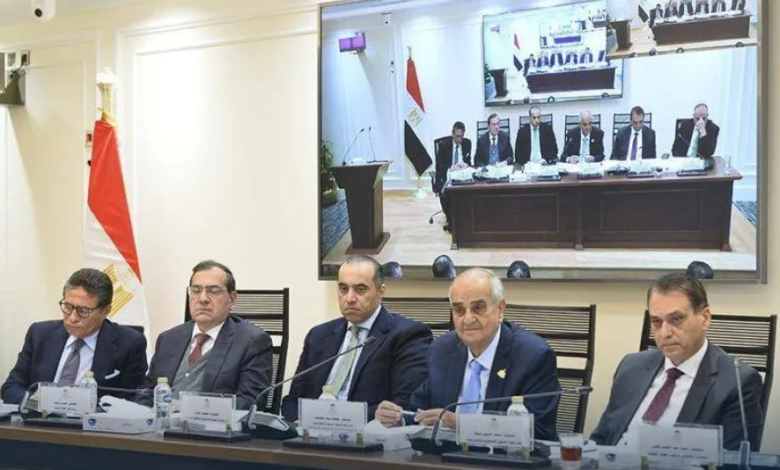
The halls of the Egyptian parliament witnessed heated debate and a noticeable division among members over the government's new legislative proposals aimed at increasing penalties for electricity theft . This move comes at a time when the state is striving to control losses in the national electricity grid, which have caused a series of crises that have directly impacted citizens and the national economy.
Background to the crisis: A continuous hemorrhage in the energy sector
This parliamentary move was not a spur-of-the-moment decision, but rather a response to a complex energy crisis that Egypt has recently been experiencing, characterized by the government's prolonged "load shedding" plan. Official data and reports from the Ministry of Electricity and Renewable Energy indicate that commercial losses (resulting from theft and illegal connections) cost the state billions of Egyptian pounds annually. These losses not only affect the efficiency of the grid but also hinder the state's ability to secure the fuel needed to operate power plants, thus necessitating decisive legislative intervention.
Details of the parliamentary split
The current division stems from differing views on the appropriate deterrent mechanism. On one side, a group of parliamentarians believes that harsher penalties , potentially including mandatory imprisonment and doubled fines, are the only way to deter offenders and protect public funds. This group bases its argument on the fact that electricity theft is a dishonorable crime that harms the country's national energy security.
On the other hand, another group expresses concern about the indiscriminate application of these harsh penalties, warning of potential errors in the documentation process that could victimize ordinary citizens, especially given previous complaints about arbitrary estimates of some electricity bills or the practices of some meter readers. This group insists on the necessity of improving the infrastructure for prepaid and smart meters first, before resorting to the most severe criminal penalties.
Economic and social repercussions
These amendments are of paramount importance due to their direct impact on the Egyptian public. The government had previously announced its intention to lift subsidies for food and services from anyone proven to be involved in electricity theft, as part of a package of measures to regulate markets. Domestically, the law's final approval is expected to lead to widespread inspection campaigns across the governorates. Economically, the state's success in collecting its electricity dues will help bridge the funding gap in the petroleum sector, potentially hastening a permanent end to the power outage crisis—a development eagerly awaited by Egyptian citizens.