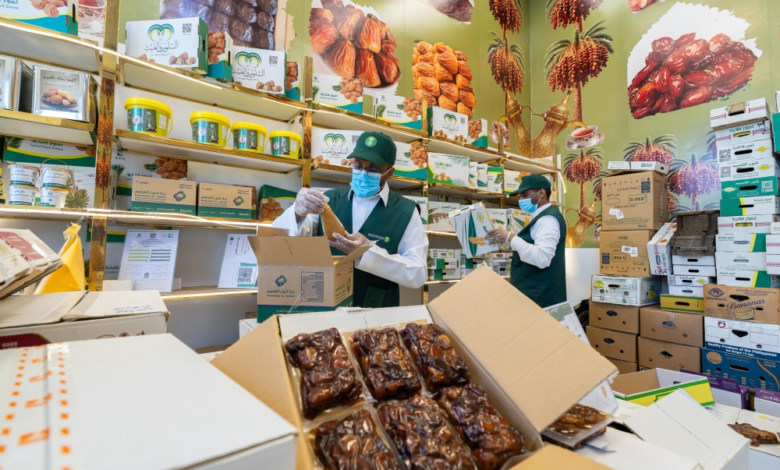

في إطار استعداداتها المكثفة لاستقبال شهر رمضان المبارك لعام 1447هـ، نفذت وزارة البيئة والمياه والزراعة حملة رقابية استباقية واسعة النطاق شملت مختلف مناطق المملكة، بهدف التأكد من سلامة الغذاء وجاهزية الأسواق والمسالخ لتلبية الطلب المتزايد خلال الشهر الفضيل.
أهمية التوقيت والسياق الاستراتيجي
تأتي هذه الحملة في توقيت حيوي يسبق موسم الذروة الاستهلاكية السنوي، حيث تشهد الأسواق السعودية نشاطاً تجارياً مضاعفاً وإقبالاً كثيفاً على المنتجات الغذائية والزراعية واللحوم. وتعد هذه الإجراءات الاستباقية جزءاً من استراتيجية الوزارة السنوية لتعزيز الأمن الغذائي وضمان خلو الأسواق من الممارسات الضارة التي قد تؤثر على صحة المستهلك أو استقرار الأسعار، وذلك تماشياً مع مستهدفات رؤية المملكة 2030 في تحسين جودة الحياة ورفع معايير السلامة البيئية والغذائية.
تفاصيل الحملة والأرقام الرقابية
أطلقت الوزارة حملتها تحت شعار «جاهزية الأسواق والمسالخ لموسم رمضان 1447هـ»، حيث جندت طواقمها الميدانية المكونة من 428 مأمور ضبط قضائي. وقد نفذت الفرق الرقابية 6,281 جولة تفتيشية مكثفة، أسفرت عن رصد 1,475 مخالفة متنوعة، تم التعامل معها فوراً وفق الأنظمة واللوائح لفرض الانضباط في الأسواق.
وفيما يخص سلامة المعروضات، قامت الفرق بإتلاف كميات ضخمة من الأغذية غير الصالحة للاستهلاك الآدمي، شملت أكثر من 19.9 طن من الخضار والفواكه والتمور، بالإضافة إلى 1.6 طن من اللحوم والدواجن، و727 كيلوجراماً من الأسماك الفاسدة، مما يعكس حزم الوزارة في منع وصول أي منتجات تالفة للمائدة الرمضانية.
إجراءات صارمة في المسالخ والمختبرات
شهد قطاع المسالخ نشاطاً كبيراً، حيث استقبلت المسالخ الخاضعة للرقابة 111,322 رأداً من الماشية. وقد طبقت الكوادر البيطرية معايير فحص دقيقة أدت إلى إعدام 970 ذبيحة كلياً لعدم صلاحيتها، و10,041 إعداماً جزئياً، لضمان وصول لحوم سليمة وآمنة للمستهلكين. وبالتوازي، عززت الوزارة رقابتها المخبرية بفحص 663 عينة من المنتجات الزراعية للتأكد من خلوها من متبقيات المبيدات، حيث أظهرت النتائج مطابقة 658 عينة للمواصفات القياسية، وهو مؤشر إيجابي على جودة المنتجات المحلية.
المسؤولية الاجتماعية والحد من الهدر
لم تقتصر الحملة على الجانب الرقابي فحسب، بل شملت بعداً إنسانياً وبيئياً مهماً من خلال الشراكة مع 23 جمعية متخصصة في حفظ النعمة. وقد نجحت هذه الجهود في إنقاذ وتوزيع 16,189 كيلوجراماً من الأغذية الصالحة للاستهلاك، مما يعزز مبادئ التكافل الاجتماعي ويساهم في تقليل الهدر الغذائي، وهو أحد المحاور الرئيسية للاستدامة البيئية في المملكة.