
استعدادات مكثفة في مدينة الرسول
مع انتهاء مناسك الحج، تتجه أنظار ملايين المسلمين إلى المدينة المنورة، مدينة الرسول صلى الله عليه وسلم، لاستكمال رحلتهم الإيمانية. وفي هذا السياق، رفع المركز الوطني للرقابة على الالتزام البيئي جاهزيته القصوى، مكثفًا جهوده الرقابية لضمان توفير بيئة صحية وآمنة لضيوف الرحمن وزوار المدينة المنورة. تأتي هذه الجهود ضمن خطة متكاملة تهدف إلى استقبال الزوار بعد أدائهم فريضة الحج، عبر تنفيذ جولات ميدانية استباقية تستهدف كافة المنشآت الحيوية.
خلفية تاريخية وأهمية استراتيجية
تكتسب المدينة المنورة أهمية دينية وتاريخية عظيمة في قلوب المسلمين، فهي ثاني أقدس المدن الإسلامية ومقصد لملايين الزوار سنوياً. هذا التدفق البشري الهائل، خاصة في مواسم الحج والعمرة، يضع ضغطاً كبيراً على البنية التحتية والخدمات، ويجعل الإدارة البيئية والصحية تحدياً لوجستياً يتطلب أعلى درجات التخطيط والتنفيذ. وتأتي هذه الجهود الرقابية انعكاساً لتوجهات المملكة العربية السعودية ضمن رؤية 2030، التي تولي اهتماماً بالغاً بالاستدامة البيئية وتحسين جودة الحياة، لا سيما في المدينتين المقدستين، لما لهما من مكانة عالمية.
تفاصيل الخطة الرقابية الميدانية
شملت الجولات الرقابية التي نفذتها فرق التفتيش التابعة للمركز 10 مستشفيات و7 مراكز صحية مخصصة لخدمة الحجاج والمعتمرين، بالإضافة إلى المراكز الموسمية والعربات المتنقلة. كما امتدت الرقابة لتشمل 5 مراكز على المنافذ والطرق الرئيسية المؤدية للمدينة، و6 مراكز صحية مساندة. وتهدف هذه الخطة الشاملة إلى تعزيز مستوى الامتثال البيئي ورفع كفاءة الرقابة على المنشآت ذات الأثر البيئي، وذلك بالتنسيق الكامل مع الجهات الصحية والخدمية ذات العلاقة لضمان تكامل الجهود.
ضمان بيئة آمنة وصحية
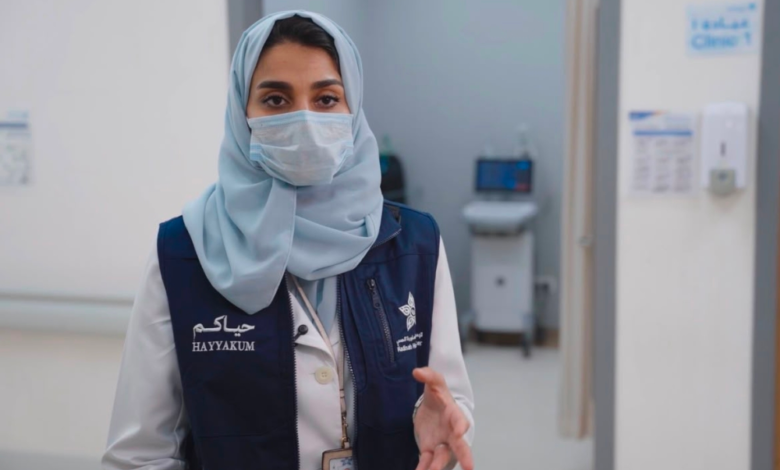
أكدت المفتشة البيئية، هبة الشريف، أن الجولات الرقابية والميدانية تركز بشكل أساسي على المنشآت الصحية ومراكز البعثات الطبية الخاصة بالحجاج، للتأكد من التزامها بالتعاقد مع جهات معتمدة ومؤهلة للتعامل مع النفايات بمختلف أنواعها. وأضافت: “نركز في جولاتنا على التأكد من تعاقد المنشآت مع جهات مؤهلة للتخلص من النفايات، سواء كانت نفايات تجارية أو نفايات طبية خطرة، وذلك لضمان بيئة آمنة وصحية لضيوف الرحمن”.
متابعة يومية لإدارة النفايات الخطرة
من جانبها، أوضحت صفاء عربي، مديرة إدارة النفايات الطبية الخطرة بتجمع المدينة المنورة الصحي، وجود متابعة يومية وفق خطة تشغيلية مجدولة لعمليات رفع ونقل النفايات الطبية الخطرة داخل المنشآت الصحية. وأشارت إلى أن عمليات النقل تجري عبر مسارات آمنة وبعيدة عن مواقع تمركز وتجمع ضيوف الرحمن، مما يساهم في الحفاظ على السلامة العامة والحد من أي آثار بيئية محتملة. ويعمل المركز الوطني للرقابة على الالتزام البيئي، بالتكامل مع الجهات الحكومية المعنية، على رصد أي تجاوزات بيئية من خلال أجهزة وتقنيات حديثة تدعم سرعة الاستجابة والتعامل الفوري مع الملاحظات خلال الموسم، بما يضمن المحافظة على البيئة والصحة العامة في المواقع المرتبطة بخدمة الحجاج.