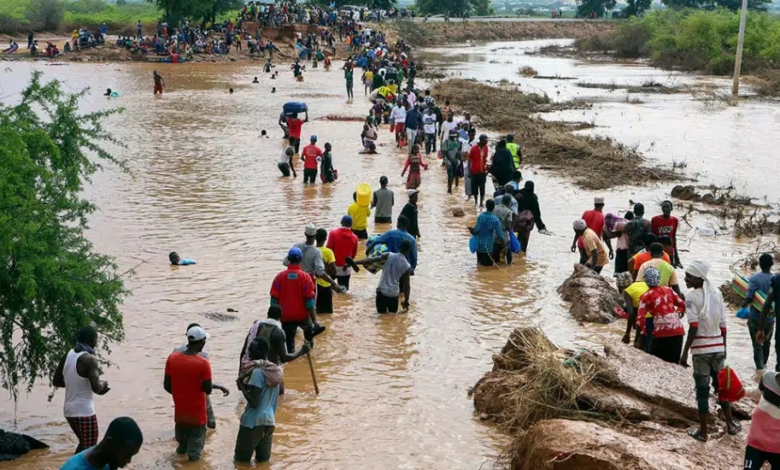

Humanitarian tragedy in southern Ethiopia: Landslide death toll rises
In a tragic development reflecting the scale of the natural disaster that struck the country, Ethiopian authorities announced that the death toll from last week's landslides in the Gamo region of southern Ethiopia has risen to 125. This human tragedy has not only resulted in loss of life, but has also displaced thousands of families who lost their homes and livelihoods in an instant, posing unprecedented challenges to relief and rescue teams.
Details of the disaster and the extent of local damage
The government of Ethiopia’s Southern Nations, Nationalities, and Peoples' Region confirmed in an official statement that the death toll has risen dramatically, jumping from 70 as of last Thursday to 125. In addition to the heavy loss of life, authorities reported that the disaster has forced more than 11,000 people to flee their homes in search of safety, placing immense pressure on temporary shelters and essential services in the already resource-poor region.
General context and historical background of the collapses in Ethiopia
Ethiopia, particularly its rugged, mountainous southern regions, is among the most vulnerable to weather-related natural disasters. Historically, the country experiences heavy rainfall during the rainy season, which typically lasts from June to September. While these seasonal rains are crucial for agriculture, they often lead to waterlogging, resulting in deadly mudslides and landslides. This dangerous phenomenon is exacerbated by other environmental factors such as ongoing deforestation, unregulated agricultural expansion, and land degradation, which weaken soil cohesion and increase the likelihood of such recurring disasters in areas like Jammo and other southern regions.
Expected impact of the disaster: locally, regionally, and internationally
Locally, these landslides are having a devastating impact on infrastructure, destroying roads and bridges and hindering rescue efforts and the delivery of humanitarian aid to those affected and trapped. They are also destroying vast areas of farmland on which local residents depend for their daily food supply, raising the specter of a severe food security crisis in the affected region that could last for years.
Regionally and internationally, this disaster once again highlights the vulnerability of the Horn of Africa to extreme climate change. These tragic events demand an urgent response from the international community and global humanitarian organizations, such as the United Nations and the Red Cross, to provide immediate relief aid, including tents, medicine, and food. The disaster also underscores the critical importance of increased international investment in climate change adaptation programs and the development of early warning systems in developing countries to mitigate future human and material losses.
In conclusion, search and rescue efforts continue under harsh climatic and geographical conditions, amid hopes of finding survivors under the rubble, and urgent demands for the need to develop comprehensive national strategies to deal with natural disasters and mitigate their devastating effects on vulnerable local communities.