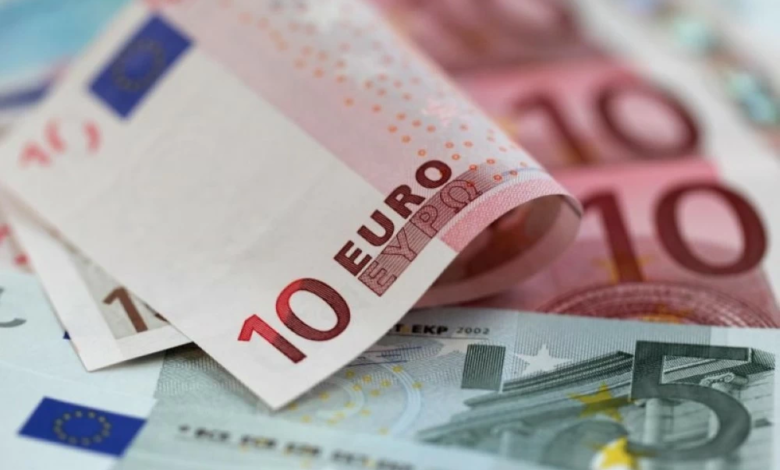
The euro is recording its best annual performance against the dollar since 2017

Despite the slight decline in the euro against the US dollar during today's trading, recording its lowest level in a week, the single European currency continues its strong path towards recording its best annual gains since 2017, supported by positive momentum that has continued throughout the current year 2025.
In today's trading, the euro fell 0.15% against the dollar to $1.1733, after reaching a session high of $1.1749, while closing yesterday's session down 0.2%. These subdued movements are part of normal profit-taking following a strong upward trend.
An exceptional year for the European currency
Financial data indicates that 2025 was a pivotal year for the euro, with the currency appreciating by more than 13% against the US dollar. This performance puts the euro on track for its second annual gain in the last three years, and more importantly, its largest annual increase since its surge in 2017. This remarkable rise reflects a fundamental shift in investor sentiment towards the Eurozone, which had previously suffered from economic pressures and geopolitical tensions.
Strengths: The German economy is at the forefront
This strong and surprising performance, for many, is attributed to a combination of key economic factors, chief among them the resilience of the European economy, which exceeded expectations. The recovery of industrial and commercial activity in Germany, the economic engine of the Eurozone, played a pivotal role in this rise. Positive data from Berlin restored confidence in the region's ability to overcome the recession and achieve sustainable growth rates, encouraging capital to return to European markets.
Economic context and the impact of monetary policies
The euro's performance cannot be separated from the broader global economic landscape, specifically the divergence in monetary policies between the European Central Bank and the US Federal Reserve. Historically, when the Fed tends to hold or lower interest rates in conjunction with tight monetary policy or a strong European economy, the balance of power tends to favor the euro. This 13% rise implies a relative weakness in the US dollar or a higher investment appeal for euro-denominated assets in 2025.
Expected effects: between inflation and exports
This significant rise in the value of the euro has mixed effects on the European and global economies. On the positive side, a strong euro helps reduce the cost of imports, particularly energy and raw materials priced in dollars, thus helping the European Central Bank curb inflation and maintain the purchasing power of European citizens. On the other hand, this rise could pose a challenge for European exporters, as European goods become more expensive in global markets, potentially impacting the trade balance of export-dependent countries like Germany and France.
In conclusion, analysts and investors are awaiting year-end closings to confirm these historic gains, while continuing to monitor economic indicators that will determine whether the euro will maintain this momentum next year or face new corrective waves.