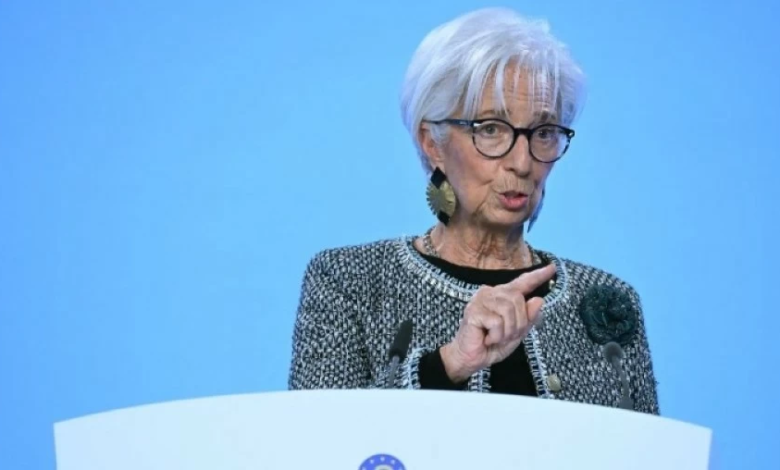

كشفت تقارير اقتصادية حديثة، نقلتها وكالة «بلومبيرغ»، عن توجه قوي لدى الحكومات الأوروبية لتسريع وتيرة المشاورات المتعلقة باختيار خليفة لكريستين لاغارد في رئاسة البنك المركزي الأوروبي. وتأتي هذه التحركات الاستباقية مدفوعة بمخاوف سياسية عميقة تتعلق بالمشهد الداخلي الفرنسي، حيث يسعى القادة الأوروبيون لتأمين هذا المنصب الحيوي قبل الدخول في دوامة الانتخابات الرئاسية الفرنسية المقررة في عام 2027، تفادياً لأي مفاجآت قد يحملها صندوق الاقتراع.
سباق مع الزمن لتفادي الفيتو اليميني
من الناحية الرسمية، تنتهي ولاية كريستين لاغارد – التي تمتد لثماني سنوات غير قابلة للتجديد – في أواخر أكتوبر 2027. وجرت العادة الدبلوماسية في الاتحاد الأوروبي أن يتم حسم ملف اختيار الرئيس الجديد للمركزي الأوروبي خلال الصيف الذي يسبق انتهاء الولاية مباشرة. إلا أن الجدول الزمني السياسي هذه المرة يفرض واقعاً مغايراً؛ فالانتخابات الرئاسية الفرنسية ستُجرى في أبريل 2027، أي قبل ستة أشهر من الموعد المعتاد لتسليم السلطة النقدية في فرانكفورت.
وتشير استطلاعات الرأي المستمرة إلى تقدم ملحوظ لتيار اليمين في فرنسا، ممثلاً بمارين لوبان وحليفها جوردان بارديلا. ويثير هذا الصعود قلق العواصم الأوروبية الكبرى، التي تخشى أن وصول رئيس فرنسي من اليمين المتشكك في الاتحاد الأوروبي قد يعرقل عملية اختيار رئيس جديد للبنك المركزي، أو يدفع باتجاه مرشحين لا يتوافقون مع الرؤية الاقتصادية الموحدة لمنطقة اليورو، مما قد يخلق أزمة مؤسسية في وقت يحتاج فيه الاقتصاد الأوروبي إلى الاستقرار.
أهمية منصب رئيس البنك المركزي الأوروبي
يكتسب هذا المنصب أهمية استراتيجية قصوى تتجاوز الحدود الإدارية؛ فرئيس البنك المركزي الأوروبي هو المسؤول الأول عن رسم السياسة النقدية لـ 20 دولة تستخدم عملة اليورو. وتشمل مهامه تحديد أسعار الفائدة للسيطرة على التضخم، وضمان الاستقرار المالي للنظام المصرفي الأوروبي، وإدارة احتياطيات العملات الأجنبية. وأي اضطراب في عملية اختيار القيادة قد يرسل إشارات سلبية للأسواق المالية العالمية، ويؤثر على ثقة المستثمرين في العملة الأوروبية الموحدة.
مسيرة لاغارد والسياق التاريخي
تولت كريستين لاغارد مهامها في الأول من نوفمبر 2019، لتصبح أول امرأة تقود هذه المؤسسة المالية الضخمة، خلفاً للإيطالي ماريو دراغي. وقبل وصولها إلى هذا المنصب، راكمت لاغارد خبرة دولية واسعة، حيث شغلت منصب المدير العام لصندوق النقد الدولي في الفترة ما بين يوليو 2011 ونوفمبر 2019، وقبلها كانت وزيرة للمالية في فرنسا. وقد واجهت خلال فترتها تحديات غير مسبوقة، بدءاً من التداعيات الاقتصادية لجائحة كورونا وصولاً إلى موجات التضخم التي ضربت الاقتصاد العالمي مؤخراً.
وبناءً على هذه المعطيات، يبدو أن القادة الأوروبيين يفضلون حسم ملف الخلافة مبكراً، لضمان انتقال سلس للسلطة وتعيين شخصية تحظى بإجماع واسع، بعيداً عن التجاذبات السياسية المحتملة التي قد تفرزها الانتخابات الفرنسية المقبلة.