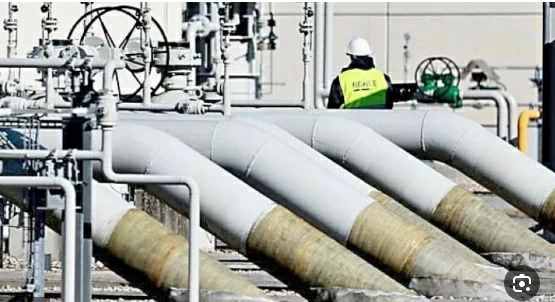

تراجع تاريخي في أسعار الغاز الأوروبي
شهدت أسواق الطاقة العالمية تحولاً جذرياً مع هبوط أسعار الغاز الطبيعي الأوروبي بنسبة تصل إلى 20%، وذلك في أعقاب التوصل إلى اتفاق استراتيجي بين الولايات المتحدة الأمريكية وإيران. يقضي هذا الاتفاق بإرساء هدنة مؤقتة لمدة أسبوعين، تهدف بالأساس إلى ضمان المرور الآمن للسفن والناقلات التجارية عبر مضيق هرمز الاستراتيجي، مما أدى إلى تهدئة المخاوف التي سيطرت على الأسواق مؤخراً.
وفي تفاصيل التداولات، تراجعت العقود الآجلة الهولندية لأقرب استحقاق، والتي تُعد المعيار الرئيسي لأسعار الغاز في القارة الأوروبية، بنسبة 17% لتستقر عند مستوى 44.13 يورو لكل ميغاواط/ساعة بحلول الساعة 8:41 صباحاً بتوقيت أمستردام. ويمثل هذا التراجع أدنى مستوى تسجله الأسعار منذ الثاني من مارس الماضي، ليكون بذلك أول يوم من التراجع الفعلي بعد موجة صعود قاسية دفعتها التوترات الجيوسياسية والحروب.
صدمة الإمدادات وانفراجة الأزمة
جاء هذا الانخفاض الحاد بعد موافقة الرئيس الأمريكي دونالد ترمب على تعليق العمليات العسكرية والقصف، مقابل التزام إيران بالسماح بالمرور الآمن للسفن عبر المضيق. من جانبها، أكدت طهران إمكانية تنفيذ ذلك بالتنسيق مع قواتها المسلحة، مفضلة عدم الخوض في التفاصيل الدقيقة للاتفاق في الوقت الراهن.
وقد كان الإغلاق شبه الكامل لمضيق هرمز بمثابة كابوس لأسواق الطاقة؛ فهذا الممر المائي الحيوي يمر عبره نحو خُمس إمدادات النفط والغاز الطبيعي المسال عالمياً. وأدى هذا الإغلاق مسبقاً إلى صدمة عنيفة في سلاسل الإمداد، مما أسفر عن ارتفاع حاد وغير مسبوق في أسعار الوقود، وهو ما أثر بشكل مباشر على تكاليف الإنتاج والتضخم.
الأهمية الاستراتيجية لمضيق هرمز وتأثيره العالمي
تاريخياً، يُعد مضيق هرمز أحد أهم نقاط الاختناق البحرية في العالم، حيث يربط بين الخليج العربي وخليج عمان وبحر العرب. وتعتمد الأسواق الآسيوية والأوروبية بشكل كبير على التدفق السلس للغاز الطبيعي المسال القادم من دول الشرق الأوسط عبر هذا الممر. وأي تهديد للملاحة فيه ينعكس فوراً على أمن الطاقة الأوروبي، خاصة في ظل مساعي القارة العجوز لتأمين بدائل موثوقة للطاقة وتعبئة مخزوناتها الاستراتيجية.
تأثيرات السوق وحذر المتعاملين
على صعيد الأسواق المالية، ساهمت التحركات السريعة لصناديق التحوط والمضاربين في زيادة حدة التقلبات في أسعار الغاز الأوروبي. فقد شهدت الأسواق تراكماً قياسياً لمراكز الشراء الصافية قبل الإعلان المفاجئ عن الهدنة، مما أدى إلى عمليات بيع مكثفة بمجرد صدور الأخبار.
ورغم هذا التراجع الإيجابي للمستهلكين، لا يزال المتعاملون في السوق الفعلية للطاقة يلتزمون بأقصى درجات الحذر. فالأسواق تترقب عن كثب مؤشرات أكثر وضوحاً تؤكد صمود هذا الاتفاق على أرض الواقع، حيث أن استقرار أسعار الطاقة على المدى المتوسط والطويل يعتمد بشكل كلي على استدامة أمن الملاحة في الممرات المائية الدولية وتجنب أي تصعيد عسكري محتمل.