
شهدت الأسهم الأوروبية ارتفاعاً طفيفاً في مستهل تداولات اليوم الأربعاء، مدفوعة بشكل رئيسي بأداء قوي لقطاعي السيارات والكيماويات، مما دفع المؤشر الأوروبي Stoxx 600 ليحوم بالقرب من أعلى مستوياته التاريخية. يأتي هذا الارتفاع في ظل ترقب حذر من المستثمرين للتطورات الجيوسياسية المتصاعدة في منطقة الشرق الأوسط، والتي تلقي بظلالها على الأسواق العالمية.
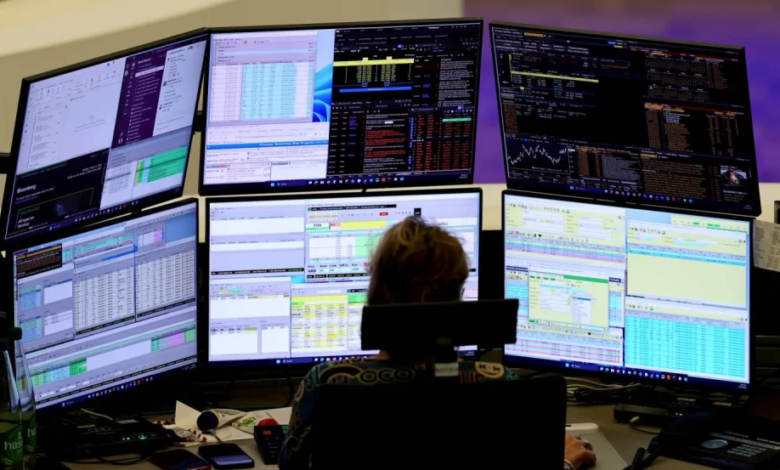
ارتفع مؤشر Stoxx 600 الأوروبي بنسبة 0.2% ليصل إلى 629.44 نقطة، ليظل بذلك على بعد حوالي 1% فقط من الذروة القياسية التي سجلها في فبراير الماضي قبل اندلاع الصراعات الأخيرة. يعكس هذا الأداء المرونة النسبية للسوق الأوروبي وقدرته على استيعاب بعض الصدمات الخارجية، مع استمرار الثقة في تعافي الاقتصاد الأوروبي بشكل عام بعد فترة من التحديات الاقتصادية والجيوسياسية.
تصدر قطاع السيارات وقطع الغيار قائمة القطاعات الأكثر ارتفاعاً، مسجلاً تقدماً بنسبة 1.5%. ويعتبر هذا القطاع حجر الزاوية في الاقتصاد الأوروبي، حيث يساهم بشكل كبير في الناتج المحلي الإجمالي ويوفر ملايين فرص العمل. وقد شهد القطاع انتعاشاً تدريجياً بعد التحديات الكبيرة التي واجهها خلال جائحة كوفيد-19، بما في ذلك اضطرابات سلاسل الإمداد ونقص أشباه الموصلات. هذا الانتعاش مدعوم بزيادة الطلب الاستهلاكي والتحول المتسارع نحو السيارات الكهربائية، الذي يتطلب استثمارات ضخمة وتطويراً تكنولوجياً مستمراً. من أبرز المساهمين في هذا الارتفاع سهم شركة فولفو للسيارات، الذي قفز بنسبة 8% بعد إعلان الشركة حصولها على موافقة الحكومة الأمريكية لمواصلة بيع سياراتها، وهو ما يفتح آفاقاً جديدة للنمو في أحد أكبر الأسواق العالمية.
كما شهد مؤشر قطاع الكيماويات ارتفاعاً بأكثر من 1%، مما يؤكد على أهمية هذا القطاع الحيوي للصناعة الأوروبية. تلعب شركات الكيماويات دوراً محورياً في توفير المواد الخام لمجموعة واسعة من الصناعات، من السيارات والإلكترونيات إلى الأدوية والزراعة. يعكس أداء هذا القطاع صحة النشاط الصناعي الأوسع. وقد برز سهم شركة أكزو نوبل (AkzoNobel) بارتفاعه بنسبة 16.6%، وذلك بعد أن رفضت الشركة المصنعة للدهانات عرض استحواذ نقدي مشترك بقيمة 73 يورو (85 دولاراً) للسهم الواحد من منافسيها نيبون بينت (Nippon Paint) وشيروين-ويليامز (Sherwin-Williams). تشير مثل هذه التطورات إلى وجود قيمة كامنة في شركات القطاع وثقة الإدارة في آفاق النمو المستقبلية.
على الرغم من هذه المكاسب، ظلت الأسواق تحت تأثير عوامل سلبية، أبرزها تصاعد التوترات في الشرق الأوسط. فقد وصفت إيران أحدث الهجمات الأمريكية بأنها انتهاك لوقف إطلاق النار الهش الذي كان سارياً منذ أبريل الماضي. هذه التوترات الجيوسياسية تثير مخاوف المستثمرين بشأن استقرار المنطقة وتأثيرها المحتمل على إمدادات النفط العالمية، مما قد يؤدي إلى تقلبات في أسعار الطاقة ويغذي المخاوف التضخمية. تاريخياً، لطالما كانت منطقة الشرق الأوسط مصدراً رئيسياً لعدم اليقين في الأسواق العالمية بسبب أهميتها الاستراتيجية في إنتاج النفط وتأثيرها على التجارة الدولية.
في سياق متصل، تراجع سعر خام برنت بشكل طفيف، لكن بقاءه عند مستوى 98 دولاراً للبرميل أبقى مخاوف التضخم في صدارة اهتمامات المستثمرين. فارتفاع أسعار النفط يؤثر مباشرة على تكاليف الإنتاج والنقل، مما ينعكس على أسعار السلع والخدمات ويضغط على القوة الشرائية للمستهلكين. وتراقب البنوك المركزية الأوروبية عن كثب هذه التطورات، حيث قد تؤثر على قراراتها المتعلقة بأسعار الفائدة في محاولتها للسيطرة على التضخم دون خنق النمو الاقتصادي، مما يعكس التوازن الدقيق الذي تسعى لتحقيقه.
بشكل عام، يعكس أداء الأسهم الأوروبية اليوم مزيجاً من التفاؤل الحذر. فبينما تدعم الأرباح القوية لبعض القطاعات مثل السيارات والكيماويات معنويات المستثمرين، تظل التحديات الجيوسياسية والاقتصادية الكلية، خاصة التضخم وأسعار الطاقة، عوامل رئيسية يجب مراقبتها. يشير هذا إلى أن الأسواق الأوروبية قد تستمر في التداول ضمن نطاق معين، مع حساسية عالية للأخبار الاقتصادية والسياسية القادمة، مما يتطلب يقظة مستمرة من المستثمرين والمحللين على حد سواء.