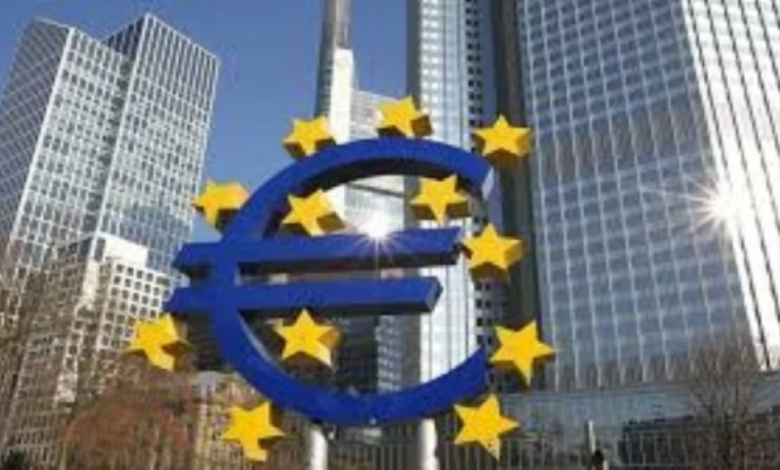

يعقد وزراء مالية دول منطقة اليورو، اليوم، اجتماعاً حاسماً في العاصمة البلجيكية بروكسل، يهدف إلى وضع الركائز الأساسية للتوجهات المالية المستقبلية للتكتل الأوروبي. ويأتي هذا الاجتماع الاعتيادي لمجموعة اليورو في توقيت دقيق يتطلب تنسيقاً عالي المستوى لمواجهة التحديات الاقتصادية العالمية المتسارعة.
أجندة الاجتماع: التخطيط لعام 2026
يتصدر جدول أعمال الاجتماع بند رئيسي يتعلق بمناقشة التوصية الخاصة بالسياسة الاقتصادية لمنطقة اليورو لعام 2026. ويسعى الوزراء من خلال هذه المناقشات المبكرة إلى ضمان استقرار مالي طويل الأمد، وتوجيه الدول الأعضاء نحو مسارات مالية مستدامة تضمن النمو وتكبح التضخم. ومن المقرر أن تمهد هذه المناقشات الطريق لاعتماد التوصيات رسمياً خلال اجتماع مجلس الشؤون الاقتصادية والمالية للاتحاد الأوروبي «إيكوفين» المقرر عقده غداً، مما يعكس آلية صنع القرار الأوروبي التي تبدأ بالتنسيق غير الرسمي في مجموعة اليورو وتنتهي بالقرارات الرسمية الملزمة.
تعزيز الدور الدولي لليورو
وفي سياق السعي الأوروبي نحو «الاستقلال الاستراتيجي المفتوح»، يناقش الوزراء سبل تعزيز الدور الدولي للعملة الأوروبية الموحدة. وتكتسب هذه النقطة أهمية قصوى في ظل التحولات في نظام التجارة العالمي، حيث يسعى الاتحاد الأوروبي لزيادة استخدام اليورو في المدفوعات الدولية، وإصدار الديون السيادية، وكعملة احتياطي عالمية، مما يقلل من انكشاف الاقتصاد الأوروبي على تقلبات العملات الأخرى ويعزز من سيادته المالية.
مخاطر جيوسياسية واختلالات عالمية
لن تقتصر النقاشات على الشأن الداخلي فحسب، بل ستمتد لتشمل جلسة موسعة مفتوحة لجميع الدول الأعضاء في الاتحاد الأوروبي، مخصصة لبحث الاختلالات الاقتصادية العالمية. ويأتي هذا في ظل تصاعد المخاطر الجيوسياسية، بدءاً من التوترات التجارية وصولاً إلى النزاعات المسلحة التي تؤثر بشكل مباشر على سلاسل التوريد وأسعار الطاقة. ويهدف الوزراء إلى بلورة رؤية مشتركة تمكن الاقتصادات الأوروبية من امتصاص الصدمات الخارجية المحتملة.
خلفية وسياق الحدث
تُعد اجتماعات مجموعة اليورو (Eurogroup) المحرك الرئيسي لتنسيق السياسات المالية بين الدول التي تتشارك العملة الموحدة. وقد أثبتت هذه الاجتماعات أهميتها القصوى خلال الأزمات السابقة، مثل أزمة الديون السيادية وجائحة كورونا. واليوم، ومع عودة قواعد الانضباط المالي الأوروبية للعمل، يصبح التنسيق حول ميزانيات الأعوام القادمة (مثل 2026) أمراً حيوياً لتجنب أي تعارض بين السياسات الوطنية والأهداف الأوروبية المشتركة، ولضمان بيئة استثمارية جاذبة ومستقرة في القارة العجوز.