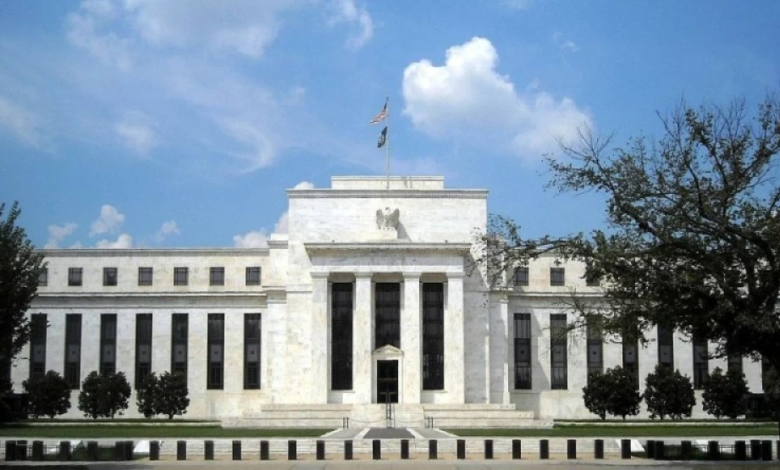

في خطوة استراتيجية تهدف إلى إعادة تشكيل مشهد الإقراض السكني في الولايات المتحدة، أعلنت ميشيل بومان، نائبة رئيس مجلس الاحتياطي الفيدرالي الأمريكي للإشراف والرقابة، عن توجه البنك المركزي لتخفيف متطلبات رأس المال المفروضة على البنوك الكبرى. يأتي هذا الإعلان كمحاولة جادة لتحفيز المؤسسات المصرفية التقليدية على توسيع نطاق أنشطتها في سوق الرهن العقاري، الذي شهد تراجعاً ملحوظاً في دور البنوك خلال العقد ونصف العقد الماضيين.
تعديلات تنظيمية لاستعادة التوازن
أوضحت بومان أن الاحتياطي الفيدرالي بصدد إجراء تعديلين جوهريين على القواعد التنظيمية الحالية. الهدف الأساسي من هذه التعديلات هو تعزيز الحوافز للبنوك للدخول بقوة أكبر في قطاع القروض العقارية وخدماتها. وتأتي هذه التحركات في وقت يواجه فيه القطاع المصرفي تحديات تنظيمية جعلت من تكلفة الاحتفاظ برأس المال مقابل قروض الرهن العقاري عبئاً يحد من قدرة البنوك على المنافسة.
خلفية تاريخية: تحولات سوق الرهن العقاري
لفهم أهمية هذا القرار، يجب النظر إلى السياق التاريخي الذي أعقب الأزمة المالية العالمية في عام 2008. فبعد الأزمة، تم فرض قيود صارمة على البنوك لضمان الاستقرار المالي، مما أدى بشكل غير مباشر إلى انسحاب تدريجي للبنوك من سوق التمويل العقاري. وتشير البيانات التي استعرضتها بومان إلى أن حصة البنوك في تمويل قروض الإسكان انخفضت بشكل دراماتيكي من 60% في عام 2008 لتصل إلى 35% فقط بحلول عام 2023.
صعود شركات الخدمات المالية غير المصرفية
في المقابل، ملأت شركات الخدمات المالية غير المصرفية (أو ما يعرف بـ "بنوك الظل") الفراغ الذي تركته البنوك التقليدية، مستحوذة على حصة متزايدة من السوق. ورغم أن هذا وفر بدائل للمقترضين، إلا أن مسؤولي الفيدرالي يرون أن عودة البنوك الخاضعة لرقابة تنظيمية صارمة إلى السوق تعد أمراً حيوياً لضمان استقرار النظام المالي على المدى الطويل وحماية المستهلكين.
التأثير الاقتصادي المتوقع
من المتوقع أن يؤدي تخفيف متطلبات رأس المال إلى تحرير سيولة نقدية ضخمة كانت محتجزة كاحتياطيات إلزامية، مما يسمح للبنوك بضخها في السوق العقاري. هذا الإجراء قد يسهم في خفض تكاليف الاقتراض للمواطنين الأمريكيين الراغبين في شراء منازل، ويعزز من نشاط قطاع الإنشاءات والإسكان الذي يعد محركاً رئيسياً للاقتصاد الأمريكي. كما يعكس هذا التوجه مرونة من الفيدرالي في الموازنة بين متطلبات السلامة المالية والحاجة لدعم النمو الاقتصادي.