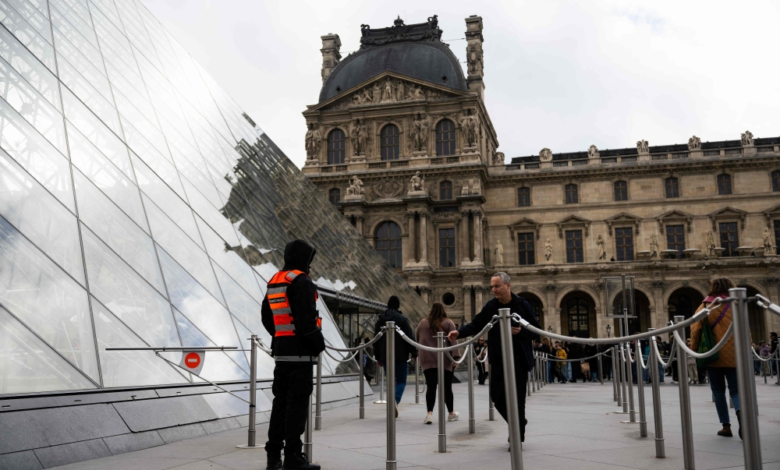

أعلنت السلطات الفرنسية، في ضربة أمنية قوية استهدفت الفساد في القطاع السياحي، عن إلقاء القبض على تسعة أشخاص للاشتباه في تورطهم في مخطط احتيال واسع النطاق يتعلق بإعادة بيع وتزوير تذاكر دخول متحف اللوفر العريق في العاصمة باريس. وقد أسفرت العملية الأمنية عن مصادرة مبالغ نقدية ضخمة تجاوزت 1.4 مليون يورو، مما يشير إلى حجم الأرباح غير المشروعة التي حققتها هذه الشبكة.
تفاصيل المخطط الإجرامي والمتورطين
أكد مكتب المدعي العام في باريس أن التحقيقات كشفت عن تورط شبكة منظمة تضم مرشدين سياحيين وموظفين اثنين يعملان داخل المتحف نفسه، بالإضافة إلى شخص آخر يُشتبه في كونه العقل المدبر للعملية. وتشير التحريات إلى أن هذا المخطط الاحتيالي لم يكن وليد اللحظة، بل استمر في استنزاف موارد المتحف لما يربو على 10 سنوات كاملة. ومن المقرر أن يمثل المشتبه بهم أمام القضاء للنظر في التهم المنسوبة إليهم، في حين يقدر المتحف حجم الأضرار المالية التي تكبدها جراء هذه العمليات بأكثر من 10 ملايين يورو، وهو رقم ضخم يؤثر على ميزانية المؤسسة الثقافية.
متحف اللوفر: الأهمية التاريخية والمكانة العالمية
تكتسب هذه القضية أهمية خاصة نظراً لمكانة متحف اللوفر كأحد أهم المعالم الثقافية والسياحية في العالم. يقع المتحف على الضفة الشمالية لنهر السين في باريس، ويعد المتحف الأكثر زيارة على مستوى العالم، حيث يستقبل ملايين الزوار سنوياً لرؤية روائع فنية خالدة مثل لوحة "الموناليزا" وتمثال "فينوس دي ميلو". تأسس المتحف في الأصل كقلعة في القرن الثاني عشر قبل أن يتحول إلى قصر ملكي ثم إلى متحف وطني في عام 1793 خلال الثورة الفرنسية. إن أي مساس بنظام الدخول أو العوائد المالية لهذا الصرح لا يعد مجرد جريمة مالية، بل هو تعدٍ على تراث إنساني عالمي يعتمد على هذه العوائد في عمليات الترميم والصيانة المستمرة للكنوز الفنية التي يضمها.
التأثيرات المتوقعة والإجراءات الأمنية
من المتوقع أن تدفع هذه الحادثة السلطات الفرنسية وإدارة متحف اللوفر إلى إعادة النظر بشكل جذري في أنظمة حجز التذاكر وآليات الرقابة الداخلية. تأتي هذه الواقعة في وقت تسعى فيه فرنسا لتعزيز صورتها كوجهة سياحية آمنة ومنظمة، خاصة مع الاستعدادات المستمرة لاستقبال الفعاليات الدولية الكبرى. إن الكشف عن تورط موظفين من الداخل يسلط الضوء على ضرورة تعزيز معايير النزاهة والشفافية في إدارة المؤسسات الثقافية الكبرى. كما يُتوقع أن يتم تشديد العقوبات على الجرائم المتعلقة بالاحتيال السياحي لردع أي محاولات مستقبلية قد تضر بسمعة السياحة الفرنسية واقتصادها.