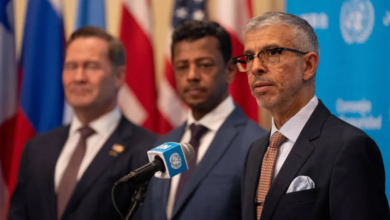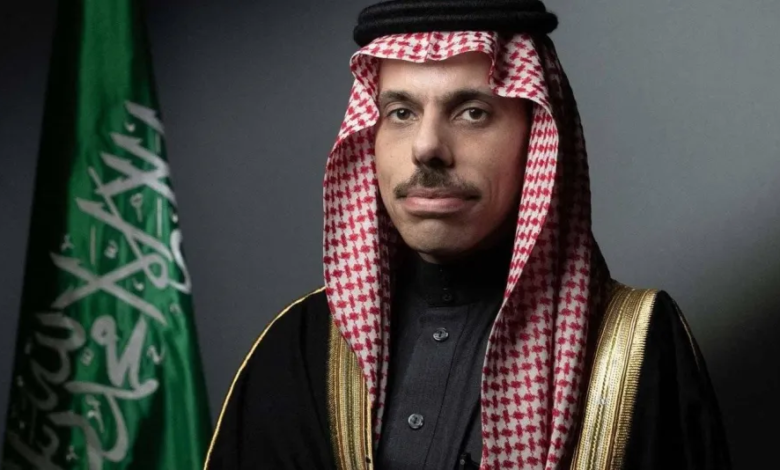

As part of the ongoing diplomatic efforts by the Kingdom of Saudi Arabia to promote security and stability in the Middle East region, His Highness Prince Faisal bin Farhan bin Abdullah, the Saudi Minister of Foreign Affairs, conducted a series of intensive telephone calls to discuss the latest regional developments and the current situation in the region.
Context of Saudi diplomatic moves
These contacts come at a sensitive time for the region, as events escalate and political and security issues become intertwined, necessitating close coordination among key players. Discussions during these contacts focused on the need to contain the escalation, prioritize dialogue, and work together to find peaceful solutions to the existing crises. This initiative is an integral part of Saudi Arabia's diplomatic doctrine, which holds that regional stability is a fundamental pillar of international peace and security.
The Kingdom's pivotal role in regional issues
The Kingdom of Saudi Arabia possesses significant political and strategic weight, making its diplomatic efforts a decisive factor in shaping events in the region. Historically, Saudi diplomacy has acted as a "safety valve" in numerous Arab and Islamic crises, relying on its balanced relationships with various international and regional actors. Through its Foreign Minister, the Kingdom seeks to forge unified positions aimed at reducing tensions, whether concerning the situation in the Palestinian territories or other outstanding issues in the Arab world, thereby sparing the region's people the ravages of conflict.
The importance of international coordination and its expected impact
The importance of these contacts extends beyond the regional dimension to encompass international influence, given the region's geopolitical location and its direct impact on the global economy, energy markets, and international shipping lanes. The efforts led by the Saudi Foreign Minister aim to garner international support for peace initiatives and emphasize the necessity for all parties to adhere to international laws and conventions.
These consultations are expected to help bridge the gaps between the parties involved and open effective channels of communication that could pave the way for comprehensive political initiatives. These moves also reflect the Kingdom's commitment to its ambitious Vision 2030, which requires a stable and prosperous regional environment, where economic development is inextricably linked to political and security stability in the region.