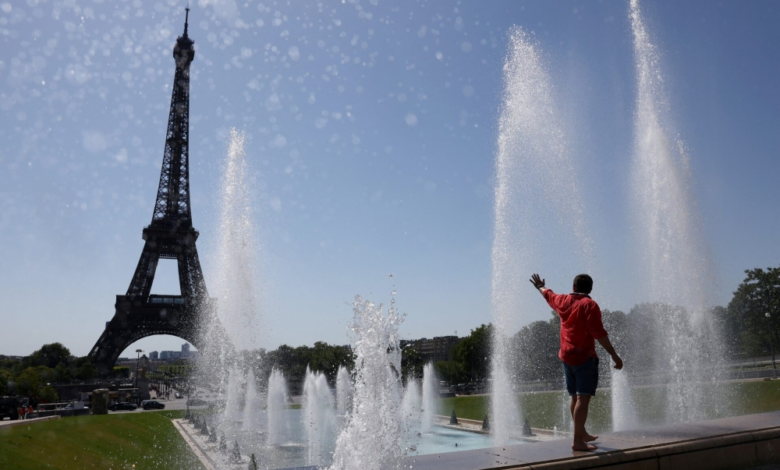

أعلنت هيئة الأرصاد الجوية الفرنسية (Météo-France) أن البلاد شهدت الربيع الأكثر حرا في فرنسا على الإطلاق منذ بدء تسجيل البيانات المناخية في عام 1900. ويأتي هذا الإعلان ليؤكد المخاوف المتزايدة من تسارع وتيرة التغير المناخي وتأثيراته الملموسة على القارة الأوروبية، حيث سجلت الفترة الممتدة من مارس إلى مايو متوسط درجات حرارة يتجاوز المعدلات الطبيعية بشكل غير مسبوق.
ووفقًا للبيانات الرسمية، بلغ متوسط درجة الحرارة خلال ربيع عام 2022 حوالي 13.8 درجة مئوية، وهو ما يمثل زيادة قدرها 1.7 درجة مئوية فوق المعدل الطبيعي. وبهذا الرقم، حطمت فرنسا الرقم القياسي السابق المسجل في ربيع عام 2011 (بزيادة 1.5 درجة)، وربيع 2020 (بزيادة 1.3 درجة)، مما يضع هذا الموسم في صدارة المواسم الأكثر دفئًا خلال أكثر من 122 عامًا من الرصد المناخي الدقيق.
تغير المناخ يعيد رسم خريطة الطقس الأوروبية
لم يعد هذا الارتفاع في درجات الحرارة مجرد حدث عابر، بل أصبح جزءًا من نمط مناخي متكرر يؤثر على فرنسا وأوروبا بأكملها. يربط العلماء بشكل مباشر بين هذه الظواهر المتطرفة والاحتباس الحراري العالمي، حيث يؤدي ارتفاع تركيزات غازات الدفيئة في الغلاف الجوي إلى حبس المزيد من الحرارة، مما يزيد من تواتر وشدة موجات الحر. إن تسجيل أرقام قياسية جديدة للحرارة لم يعد مفاجئًا، بل أصبح القاعدة الجديدة التي تتطلب تكيّفًا سريعًا على كافة المستويات.
تداعيات الربيع الأكثر حرا في فرنسا على القطاعات الحيوية
الآثار المترتبة على هذا الربيع الحار والجاف بدأت بالظهور بالفعل، حيث تواجه فرنسا تحديات جسيمة في عدة قطاعات. يعاني القطاع الزراعي من جفاف حاد يهدد محاصيل الحبوب الاستراتيجية، مما دفع الحكومة إلى فرض قيود على استخدام المياه في العديد من المناطق. كما أن انخفاض منسوب مياه الأنهار لا يؤثر على الملاحة والنظم البيئية المائية فحسب، بل يهدد أيضًا عمليات تبريد محطات الطاقة النووية التي تعتمد عليها فرنسا بشكل كبير في توليد الكهرباء. علاوة على ذلك، تزيد الظروف الجافة من خطر اندلاع حرائق الغابات بشكل كبير، خاصة مع اقتراب فصل الصيف.
استعدادات لصيف استثنائي ومخاوف متزايدة
يمهد الربيع الحار والجاف الطريق لصيف قد يكون أكثر قسوة. وتحذر السلطات الصحية والبيئية من أن البلاد يجب أن تستعد لموجات حر طويلة وشديدة خلال أشهر الصيف. ويشكل هذا الوضع ضغطًا هائلاً على البنية التحتية، ويثير قلقًا خاصًا بشأن صحة الفئات الأكثر ضعفًا ككبار السن والأطفال. إن هذا الرقم القياسي الجديد ليس مجرد إحصائية، بل هو جرس إنذار يؤكد على الحاجة الملحة لاتخاذ إجراءات مناخية حاسمة على الصعيدين المحلي والدولي للحد من أسوأ تأثيرات الاحترار العالمي.