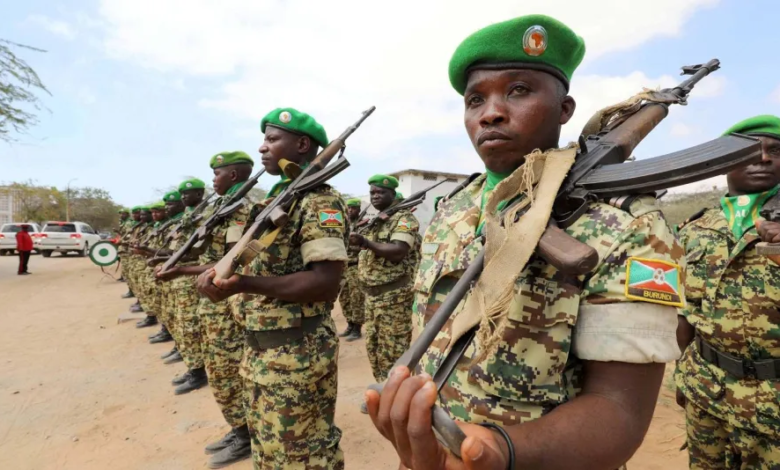

أثارت أزمة التمويل الحادة التي تواجهها بعثة الاتحاد الأفريقي الانتقالية في الصومال (أتميس) مخاوف عميقة لدى الأمم المتحدة والمجتمع الدولي، وسط تحذيرات جدية من أن يؤدي هذا العجز المالي إلى تراجع المكتسبات الأمنية التي تحققت بشق الأنفس في مجال مكافحة الإرهاب، وتحديداً ضد حركة «الشباب» المتطرفة.
خلفية البعثة والتحول من «أميصوم» إلى «أتميس»
لفهم عمق الأزمة الحالية، يجب النظر إلى السياق التاريخي للوجود الأفريقي في الصومال. فقد حلت بعثة «أتميس» محل بعثة الاتحاد الأفريقي السابقة (أميصوم) في الأول من أبريل عام 2022، بتفويض جديد يركز بشكل أساسي على إعداد قوات الأمن الصومالية لتولي المسؤوليات الأمنية الكاملة في البلاد بحلول نهاية عام 2024. وقد جاء هذا التحول استجابة لقرارات مجلس الأمن الدولي الرامية إلى تمكين الصومال من استعادة سيادته الأمنية بشكل تدريجي.
وعلى الرغم من النجاحات الميدانية التي حققتها القوات الأفريقية بالتعاون مع الجيش الصومالي في تحرير العديد من المناطق الاستراتيجية من قبضة حركة الشباب، إلا أن خطة الانسحاب التدريجي وتسليم المهام تواجه عقبات لوجستية ومالية ضخمة. فالدعم الدولي، الذي كان يعتمد بشكل كبير على مساهمات الاتحاد الأوروبي وشركاء دوليين آخرين، شهد تقليصاً ملحوظاً في الآونة الأخيرة، مما وضع البعثة أمام تحديات تشغيلية صعبة.
مخاطر الفراغ الأمني وعودة نشاط «الشباب»
تكمن الخطورة الرئيسية لنقص التمويل في احتمالية حدوث انسحاب غير مدروس أو سابق لأوانه للقوات الأفريقية قبل أن تكون القوات الصومالية جاهزة تماماً لملء الفراغ. ويحذر الخبراء الأمنيون ومسؤولون في الأمم المتحدة من أن أي ثغرة أمنية ستكون بمثابة هدية مجانية لحركة الشباب المرتبطة بتنظيم القاعدة، والتي لا تزال تحتفظ بقدرات قتالية تمكنها من شن هجمات دموية واحتلال مناطق نائية.
إن العجز في الميزانية لا يؤثر فقط على رواتب الجنود، بل يمتد ليشمل الدعم اللوجستي، وصيانة المعدات، والقدرة على تنفيذ عمليات استباقية، مما يضعف الروح المعنوية للقوات ويقلل من فاعلية الضغط العسكري على الجماعات الإرهابية.
الأهمية الإقليمية والدولية لاستقرار الصومال
لا تنحصر تداعيات هذا الملف داخل الحدود الصومالية فحسب، بل تمتد لتشمل منطقة القرن الأفريقي بأسرها. فاستقرار الصومال يعد ركيزة أساسية لأمن دول الجوار مثل كينيا وإثيوبيا وجيبوتي، وهي الدول التي تساهم بقوات في البعثة وتتأثر بشكل مباشر بأي انفلات أمني عبر الحدود. علاوة على ذلك، يمثل الموقع الجغرافي للصومال على خليج عدن والمحيط الهندي أهمية استراتيجية للتجارة العالمية، مما يجعل مكافحة الإرهاب والقرصنة في هذه المنطقة مصلحة دولية عليا.
وفي الختام، فإن الدعوات الأممية الحالية تشدد على ضرورة سد الفجوة التمويلية لضمان انتقال سلس ومنظم للمسؤوليات الأمنية، محذرة من أن التخلي عن دعم «أتميس» في هذا التوقيت الحرج قد يعيد الصومال إلى المربع الأول من الفوضى وعدم الاستقرار.