Trump's frustration with the Iran nuclear negotiations: Escalation or a diplomatic solution?

A senior US official revealed to American media outlets that President Donald Trump is increasingly frustrated by the lack of tangible progress in nuclear talks with Iran. According to The New York Times, the official explained that the frustration stems from the Iranian delegation's refusal to make the substantial concessions that Washington considers essential for reaching a new and comprehensive agreement.
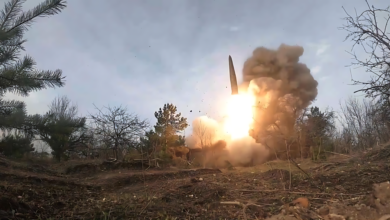
The official added that Trump, who insists on achieving all his demands to end what he calls the “Iranian threat,” told his national security advisors that the Iranian offer on the table was “insufficient” and that he doubted Tehran’s intentions. The Wall Street Journal quoted other officials as saying that Trump threatened to resume military pressure if he felt that negotiations were not working and that Iran was stalling for time.
Historical background of the nuclear crisis
This round of tense talks comes amid a long-running crisis between the United States and Iran over its nuclear program. In 2015, the Joint Comprehensive Plan of Action (JCPOA), more commonly known as the Iran nuclear deal, was reached between Iran and the P5+1 group of nations: the United States, Britain, France, Russia, China, and Germany. Under this agreement, Iran agreed to significantly restrict its nuclear program in exchange for the lifting of international economic sanctions.
However, in May 2018, the Trump administration unilaterally withdrew from the agreement, deeming it “flawed” and failing to adequately address Iran’s ballistic missile program and regional role. Following the withdrawal, Washington reinstated harsh economic sanctions as part of a campaign dubbed “maximum pressure,” aimed at forcing Tehran back to the negotiating table to reach a new agreement on American terms.
Importance and potential impacts
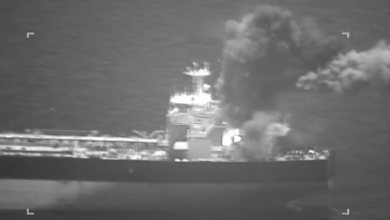
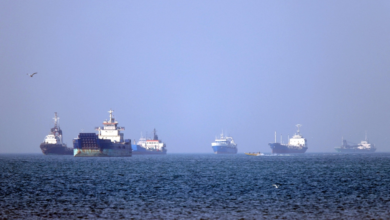
These negotiations are of paramount importance both regionally and internationally. Internationally, the world is closely watching the outcome of this crisis due to its direct impact on nuclear non-proliferation efforts and the stability of global energy markets. Any military escalation in the Gulf region, through which a significant portion of the world's oil supply passes, could lead to a sharp rise in prices and jeopardize the global economy.
Regionally, Iran’s nuclear program is a source of concern for neighboring countries, particularly Saudi Arabia and Israel, which fear that Iran’s acquisition of nuclear weapons could ignite an arms race in the Middle East and exacerbate instability. In this context, French Foreign Minister Jean-Noël Barrot told the UN Security Council that “there can be no lasting solution to this crisis unless the Iranian regime agrees to make significant concessions and fundamentally change its position,” urging Iran to chart a course for peaceful coexistence in the region.
The current situation remains unresolved, with each side holding firm to its position, making the future of negotiations uncertain and fraught with risk, while the international community continues to await what the coming days will bring.