
تحرك عاجل من مجموعة السبع لمواجهة الأزمات
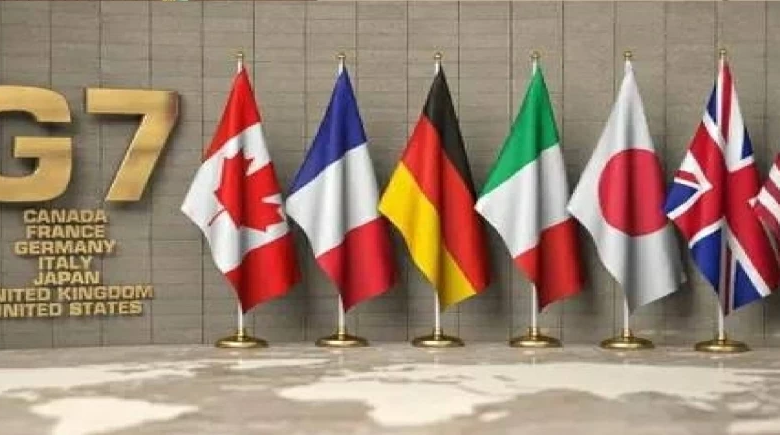
أكد وزراء المالية والطاقة في دول مجموعة السبع (G7) استعدادهم التام لاتخاذ كافة الإجراءات اللازمة لضمان استقرار سوق الطاقة العالمي. يأتي هذا التحرك الاستراتيجي في إطار جهودهم المكثفة لمواجهة التداعيات الاقتصادية الخطيرة الناتجة عن تصاعد وتيرة الحرب في منطقة الشرق الأوسط. وقال الوزراء في بيان مشترك يعكس وحدة الموقف: «نحن على أتم الاستعداد لاتخاذ كل الإجراءات اللازمة بتنسيق وثيق مع شركائنا الدوليين، بما في ذلك الحفاظ على استقرار وأمن سوق الطاقة». وأضافوا: «ندرك تماماً أهمية العمل الدولي المنسق للتخفيف من حدة التداعيات وحماية استقرار الاقتصاد الكلي العالمي من أي صدمات محتملة».
السياق التاريخي وأهمية أمن الطاقة
تاريخياً، لطالما كانت أسواق الطاقة العالمية شديدة الحساسية للتوترات الجيوسياسية، وخاصة تلك التي تندلع في منطقة الشرق الأوسط الغنية بالنفط والغاز. تعيد الأزمة الحالية إلى الأذهان صدمات الطاقة الكبرى، مثل أزمة النفط في السبعينيات، وكذلك التداعيات الاقتصادية العنيفة التي أعقبت اندلاع الحرب الروسية الأوكرانية في عام 2022. لقد تأسست مجموعة السبع في الأساس لتنسيق السياسات الاقتصادية ومواجهة مثل هذه التحديات العالمية. واليوم، ومع تقليص أوروبا لاعتمادها على مصادر الطاقة الروسية، أصبحت الإمدادات القادمة من الشرق الأوسط، وخاصة الغاز الطبيعي المسال، شريان حياة للاقتصاد الأوروبي، مما يجعل أي تهديد لهذه الإمدادات بمثابة تهديد مباشر للأمن القومي والاقتصادي لدول المجموعة.
تحذيرات من كارثة اقتصادية عالمية
كان وزراء من دول مجموعة السبع قد حذروا في وقت سابق من أن التصعيد العسكري، وتحديداً الحرب التي تشنها الولايات المتحدة وإسرائيل ضد إيران، قد تتسبب في كارثة اقتصادية عالمية غير مسبوقة. جاءت هذه التحذيرات قبيل انعقاد القمة الوزارية للمجموعة في فرنسا، حيث تصدرت الحربان في إيران وأوكرانيا جدول الأعمال. وتأتي هذه القمة في ظل تصاعد القلق الأوروبي من تداعيات الصراع، وسط توقعات بأن تدفع دول الاتحاد الأوروبي باتجاه حث واشنطن على إيجاد مخرج تفاوضي ودبلوماسي يحد من التبعات الكارثية للحرب على سلاسل الإمداد ومعدلات التضخم.
تضرر البنية التحتية وتأثيره الإقليمي والدولي
كشف وزير المالية الفرنسي عن أرقام تعكس حجم الأزمة، مشيراً إلى أن 30 إلى 40% من طاقة التكرير في منطقة الخليج باتت خارج الخدمة نتيجة التوترات، وأن 17% من إنتاج الغاز قد تضرر وفقاً لتقديرات قطرية. وأوضح الوزير أن إصلاح تلك الأضرار الهيكلية قد يستغرق نحو 3 سنوات، مما يعني أن أسواق الطاقة قد تواجه نقصاً في المعروض وارتفاعاً في الأسعار على المدى المتوسط، وهو ما سيؤثر بشكل مباشر على تكاليف الإنتاج الصناعي وأسعار السلع الأساسية عالمياً.
أزمة تمس الجميع: من أوروبا إلى إفريقيا
عبر القادة الأوروبيون عن استيائهم من مسار الأحداث؛ حيث قال وزير الدفاع الألماني بوريس بيستوريوس في تصريح حاد: «إن هذه الحرب كارثة لاقتصادات العالم كافة، فالدول الأوروبية لم يتم التشاور معها منذ البداية، ولم يسألنا أحد، وهذه ليست حربنا». من جهتها، وصفت رئيسة الوزراء الإيطالية جورجا ميلوني، المعروفة بقربها من واشنطن، ما يجري بأنه «أزمة تمس الجميع». وحذرت ميلوني من أن استمرار الصراع سيؤدي إلى انعكاسات اقتصادية واجتماعية أوسع نطاقاً، خصوصاً على الدول الهشة وفي مقدمتها الدول الأفريقية. فارتفاع أسعار الطاقة يؤدي حتماً إلى ارتفاع أسعار الأسمدة والغذاء، مما يهدد الأمن الغذائي في إفريقيا، وقد يدفع بموجات هجرة جديدة نحو السواحل الأوروبية، مما يضاعف من التحديات التي تواجهها القارة العجوز.