
تراجع أسعار الذهب وسط مخاوف التضخم وترقب الأسواق
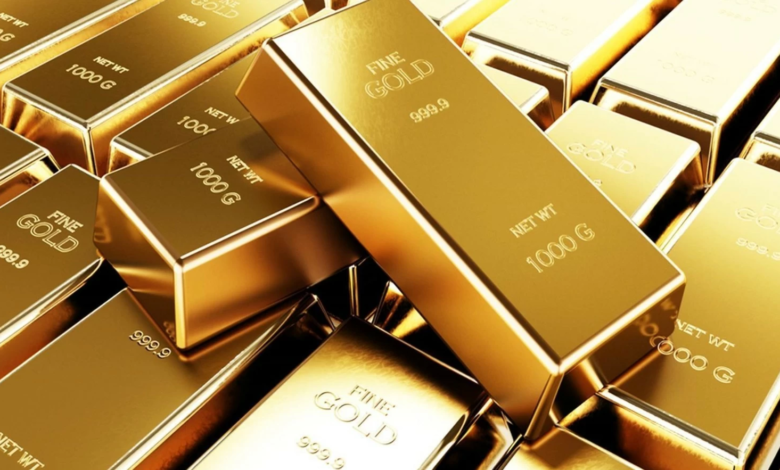
شهدت الأسواق المالية العالمية انخفاضاً ملحوظاً حيث سجل تراجع أسعار الذهب اليوم (الجمعة) هبوطاً إلى أدنى مستوياته في أكثر من أسبوع. يتجه المعدن النفيس نحو تكبد خسارة أسبوعية قاسية، وذلك في ظل تفاعل المستثمرين مع مجموعة من المتغيرات الاقتصادية والسياسية المعقدة. ويعود هذا التراجع بشكل رئيسي إلى ارتفاع أسعار الطاقة العالمية، مما أدى بدوره إلى تفاقم المخاوف المتعلقة بمعدلات التضخم. ونتيجة لذلك، تزايدت التوقعات ببقاء أسعار الفائدة مرتفعة لفترة أطول من المعتاد، وهو ما يضغط سلباً على جاذبية الذهب كملاذ آمن لا يدر عائداً ثابتاً.
تفاصيل أسعار الذهب والمعادن النفيسة
بحسب البيانات المسجلة بحلول الساعة 02:05 بتوقيت جرينتش، واصل الذهب في المعاملات الفورية خسائره للجلسة الرابعة على التوالي، حيث انخفض بنسبة 0.8 بالمئة ليصل إلى 4613.19 دولار للأوقية (الأونصة)، وهو أدنى مستوى يسجله المعدن الأصفر منذ السادس من مايو (أيار). وبذلك، يكون الذهب قد هبط بنسبة 2.1 بالمئة منذ بداية الأسبوع. وفي سياق متصل، فقدت العقود الأمريكية الآجلة للذهب تسليم شهر يونيو (حزيران) نحو 1.4 بالمئة من قيمتها، لتستقر عند مستوى 4619 دولاراً.
ولم يقتصر التراجع على الذهب فحسب، بل امتد ليشمل المعادن النفيسة الأخرى. فقد انخفض سعر الفضة في المعاملات الفورية بنسبة 3.1 بالمئة ليصل إلى 80.93 دولار للأوقية. كما خسر البلاتين حوالي 1.7 بالمئة من قيمته مسجلاً 2021.75 دولار، في حين هبط البلاديوم بنسبة 0.9 بالمئة ليستقر عند 1423.75 دولار.
قوة الدولار وتأثيرها المباشر
من العوامل الرئيسية التي ساهمت في هذا التراجع هو الأداء القوي للعملة الأمريكية. فقد ارتفع مؤشر الدولار بأكثر من واحد بالمئة منذ بداية الأسبوع. هذا الارتفاع يجعل الذهب، المسعر بالدولار الأمريكي، أكثر تكلفة بالنسبة للمستثمرين وحائزي العملات الأخرى، مما يقلل من الطلب الفعلي والاستثماري عليه في الأسواق العالمية ويدفع الأسعار نحو الهبوط.
السياق التاريخي والسياسي: لقاء ترامب وشي جين بينغ
تتزامن هذه التحركات الاقتصادية مع حالة من الترقب الحذر تسيطر على المستثمرين، حيث تتوجه الأنظار نحو الاجتماع المرتقب بين الرئيسين، الأمريكي دونالد ترامب والصيني شي جين بينغ. تاريخياً، تلعب العلاقات الأمريكية الصينية دوراً محورياً في توجيه بوصلة الاقتصاد العالمي. التوترات التجارية بين أكبر اقتصادين في العالم غالباً ما تدفع المستثمرين نحو الذهب كملاذ آمن، بينما تؤدي بوادر الانفراج والاتفاقيات التجارية إلى تراجع الطلب عليه لصالح الأصول ذات المخاطر العالية مثل الأسهم. هذا السياق يفسر حالة التذبذب وإعادة التموضع التي يقوم بها المستثمرون حالياً في انتظار مخرجات هذا اللقاء الحاسم.
التأثير المتوقع على المستويات المحلية والإقليمية والدولية
على المستوى الدولي، يعكس تراجع أسعار الذهب ثقة مؤقتة في قدرة البنوك المركزية على كبح جماح التضخم من خلال أدوات السياسة النقدية، وتحديداً الإبقاء على أسعار الفائدة مرتفعة. ومع ذلك، فإن استمرار ارتفاع تكاليف الطاقة قد يهدد هذا الاستقرار الهش.
إقليمياً، في منطقة الشرق الأوسط التي تعد من أكبر الأسواق الاستهلاكية للذهب والمجوهرات، قد يشكل هذا التراجع فرصة ذهبية للمستهلكين المحليين لزيادة مشترياتهم، سواء لأغراض الزينة أو الادخار. انخفاض الأسعار غالباً ما ينعش حركة المبيعات في أسواق التجزئة المحلية ويحفز الطلب الاستهلاكي.
أما محلياً، فإن المستثمرين في البورصات وصناديق الاستثمار المرتبطة بالمعادن النفيسة قد يضطرون إلى إعادة تقييم محافظهم الاستثمارية. يتطلب الوضع الراهن الأخذ في الاعتبار قوة الدولار وتوجهات السياسة النقدية العالمية، لتقليل المخاطر المحتملة في ظل هذه التقلبات المستمرة في أسواق السلع.