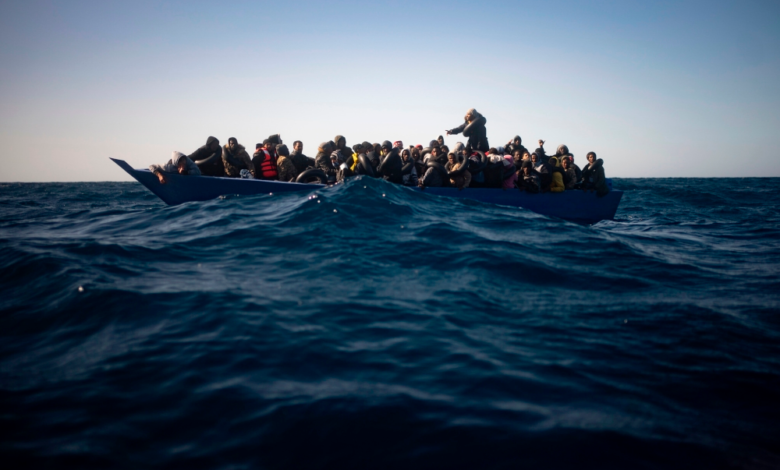

A new human tragedy has struck the coast of West Africa, with the death toll from the sinking of a migrant boat off the coast of The Gambia rising to 31. This incident once again highlights the dangers of irregular migration across the Atlantic. The ill-fated vessel was carrying approximately 200 undocumented migrants who had embarked on a perilous journey in search of a better life.
Details of the incident and rescue operations
The Gambian immigration authority confirmed in an official statement today that rescue teams have recovered more bodies, bringing the confirmed death toll to 31. The statement explained that the boat had departed from the coastal area of Ginak late at night, aiming to reach the Spanish Canary Islands, a major gateway for migrants to Europe.
Initial investigations indicate that the disaster was caused by the boat striking an underwater sandbar, leading to its capsizing and sinking in challenging weather and sea conditions. Gambian authorities, with the assistance of local fishermen, rescued 102 migrants, 23 of whom were urgently transported to hospitals for medical treatment. The search continues for other missing persons, as the total number of passengers was estimated at around 200. This update follows an earlier announcement last Thursday that reported only seven deaths, reflecting the scale of the disaster as more details emerge.
The Atlantic Route: A Death Journey to Europe
This incident is part of a series of tragedies along the "Atlantic route," which experts and international organizations consider one of the most dangerous migration routes in the world. This route stretches from the coasts of West Africa (such as Gambia, Senegal, and Mauritania) to the Spanish Canary Islands. The danger of this route lies in the strong ocean currents and the long distances migrants travel in dilapidated wooden fishing boats, ill-equipped for open ocean navigation and often overcrowded.
Economic and social motives and dimensions
These deadly journeys are driven by dire economic and social conditions in many West African countries. Young people in these regions suffer from high unemployment, extreme poverty, and instability, pushing them to risk their lives and pay exorbitant sums to human traffickers for a slim chance of reaching European shores. The Gambia, a small country on the West African coast, is a frequent departure point for these journeys, and recent years have seen a significant increase in the number of boats leaving.
The repercussions of the incident and international demands
Such incidents are generating increasing international concern and putting pressure on African and European governments to find radical solutions. On the one hand, receiving countries like Spain face challenges in managing the influx of migrants and providing them with humanitarian assistance. On the other hand, there are growing calls to bolster economic development in countries of origin and dismantle the human trafficking networks that exploit the desperation of young people. Gambian authorities have launched a comprehensive investigation to identify those responsible for organizing this voyage, in an effort to prevent the recurrence of such tragedies that turn the ocean into a mass grave for lost dreams.