Regulating grazing in Al-Ula reserves: New conditions and annual licenses for sustainability

In a strategic move aimed at balancing cultural heritage with the protection of unique ecosystems, the Royal Commission for AlUla Governorate has introduced a new draft regulatory resolution to establish requirements and controls for grazing within its nature reserves. The Commission has made the draft available for public consultation through the “Survey” platform, inviting the public, stakeholders, and beneficiaries to submit their views and suggestions before the resolution is finalized. This reflects a participatory approach to decision-making that affects the local community and the environment.
Historical background and environmental significance
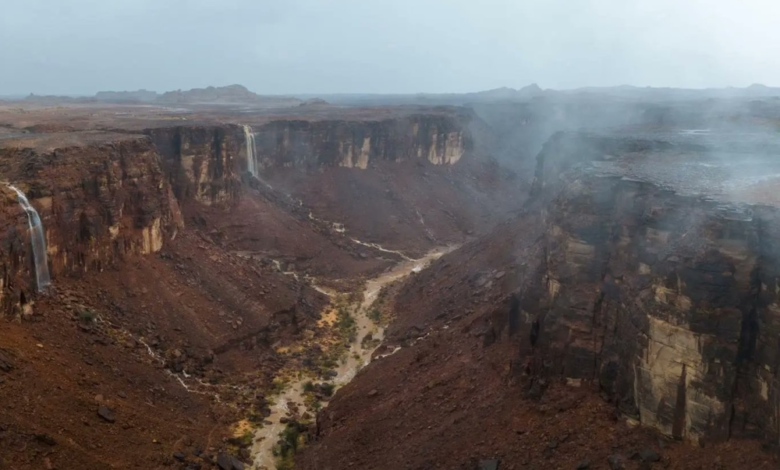
AlUla Governorate is home to a rich human and natural history spanning thousands of years. Natural pastures have been an integral part of the lives of local inhabitants and the foundation of livestock farming, which formed the backbone of their traditional economy. With the launch of the Kingdom’s Vision 2030 and the establishment of the Royal Commission for AlUla Governorate in 2017, a new phase began, aiming to transform the region into a global destination for heritage, culture, and nature. In this context, the importance of protecting natural resources from threats such as overgrazing becomes paramount. Overgrazing can lead to the degradation of vegetation cover, soil erosion, and the loss of biodiversity in this sensitive desert environment. Therefore, this regulation serves as a preventative and proactive measure to ensure the sustainability of natural resources for future generations.
Details of the proposed requirements for regulating grazing
The draft resolution targets four main protected areas: Wadi Nakhla, Harrat Awairid, Al-Gharamil, and Harrat Al-Zabin. To obtain a grazing permit, the draft specifies a set of conditions that applicants must meet, most notably:
- The applicant must be a Saudi citizen.
- Provide proof of residence in Al-Ula Governorate for a period of no less than one calendar year prior to the date of application.
- Providing a livestock identification certificate issued by the competent authorities, such as the Ministry of Environment, Water and Agriculture.
- Proof of the health and safety of the herd and accompanying animals through certified veterinary certificates.
The draft also stipulated that the license period should be only one calendar year for each beneficiary, with grazing restricted to the sites, areas and times specified and announced by the Authority, based on studies assessing the carrying capacity of the pastures to ensure that they are not depleted.
Expected impact at the local and national levels
This decision is expected to have multiple positive impacts. Locally, the regulation will contribute to the preservation of natural pastures upon which herders depend, ensuring the long-term sustainability of their activities. It also paves the way for the adoption of modern and sustainable grazing practices. Nationally, this initiative aligns directly with the objectives of the Saudi Green Initiative, which seeks to protect the environment, rehabilitate degraded lands, and enhance biodiversity. Furthermore, it reinforces AlUla's and the Kingdom's position as a leading model in integrated protected area management, where tourism and economic development are balanced with environmental and cultural heritage preservation, thus bolstering AlUla's appeal as a responsible and sustainable global tourism destination.