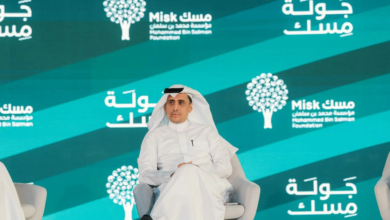

In a move reflecting the depth of economic and environmental cooperation between the two countries, Carsten Schneider, a senior German government official, expressed his country's strong interest in importing green hydrogen from Saudi Arabia. These remarks were made on the sidelines of his visit to Riyadh, where Schneider told the German Press Agency (dpa) that the partnership with the Kingdom is a cornerstone for enabling the German industrial sector to achieve its ambitious goals toward climate neutrality.
The context of the energy transition in Germany
These moves come at a time when Germany, Europe's largest industrial power, faces significant energy challenges. As Berlin seeks to phase out its reliance on fossil fuels and nuclear power, the need to find sustainable and reliable alternatives has become increasingly urgent. The German government views green hydrogen as the "oil of the future," a crucial element of its national energy security strategy, particularly given the geopolitical tensions that have prompted Europe to seek diverse and secure energy sources.
Saudi Arabia: An ideal environment for renewable energy
Saudi Arabia possesses natural advantages that position it as a leading nation in the global hydrogen market. Its vast expanses, year-round sunshine, and favorable wind conditions create ideal environments for producing renewable energy at highly competitive costs. This aligns with the Kingdom's Vision 2030, which aims to diversify the economy and reduce reliance on oil through mega-projects like NEOM, home to the world's largest green hydrogen plant.
Industrial applications and economic impact
Green hydrogen is not only a source of energy, but it also plays a pivotal role in decarbonizing heavy industries that are difficult to operate using electricity alone. Plans are underway to use this clean gas in blast furnaces for steelmaking instead of coke, which will lead to a significant reduction in carbon dioxide emissions. Furthermore, hydrogen will be used in modern power plants to ensure the stability of the electricity grid during periods when wind and solar power are insufficient.
Despite the challenges raised by some economic voices in Germany regarding current costs and availability, the political will and strategic cooperation between Berlin and Riyadh point to a promising future that places green hydrogen at the heart of a climate-neutral global economic system.