
In an official statement released on Friday, German authorities announced details of their military exports and the extent of support provided to allies, with Ukraine the list of recipients of German arms in recent months. This announcement comes at a time of major geopolitical shifts across Europe, reflecting Berlin's commitment to supporting Kyiv in the face of ongoing Russian aggression.
Military support figures and export distribution
two billion euros worth of German arms and military equipment in 2025. This figure places Ukraine unchallenged as the largest recipient of German defense industry aid, part of Berlin's strategy to bolster Ukraine's defense capabilities against Russian military operations.
German support was not limited to Kyiv; it also extended to Scandinavian NATO members, indicating a strengthening of the alliance's northern flank. Norway ranked second, purchasing €1.3 billion worth of German arms, followed by Sweden in third place with purchases totaling approximately €1 billion.
Historical context and shift in German policy
This generous support represents a radical shift in Germany's military and political doctrine, which German Chancellor Olaf Scholz described as a "turning point" (Zeitenwende) following the outbreak of war in February 2022. After decades of caution in exporting weapons to conflict zones, Germany is now the leading European supplier of weapons to Ukraine, and the second largest globally after the United States.
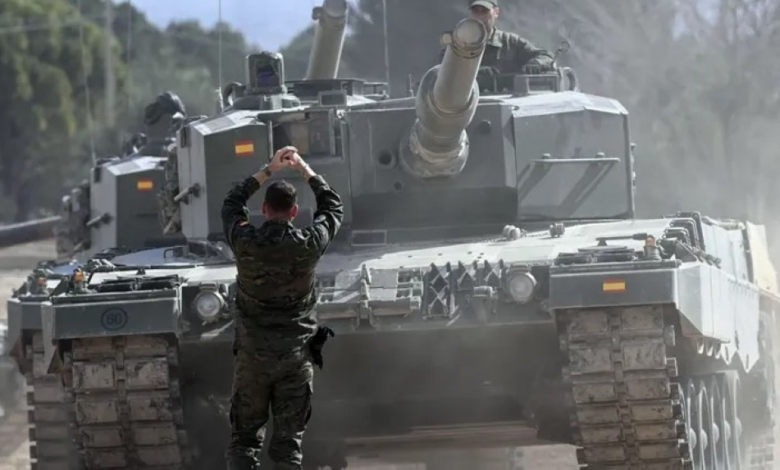
This shift did not occur in a vacuum, but rather in response to the urgent need to deter Russian expansion and protect European national security. Air defense systems, tanks, and armored vehicles are a vital part of this support, which aims to enable the Ukrainian army to withstand the pressure and reclaim its territory.
The strategic importance of supporting the Nordic countries
The presence of Norway and Sweden on the list of major beneficiaries carries profound strategic implications. Norway, a founding member of NATO since 1949, plays a pivotal role in European energy security and the protection of the northern flank. Sweden, for its part, ended more than two centuries of military neutrality and formally joined the alliance on March 7, 2024, a historic move that came as a direct response to the Russian invasion of Ukraine.
Arming these two countries with advanced German weapons enhances operational compatibility between NATO armies in Northern Europe and creates a strong bulwark against any potential threats in the Baltic and Arctic regions.
International influences and the American position
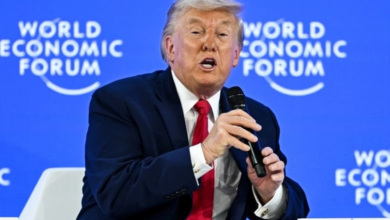
German support takes on added importance given the political tensions in the United States. While Washington remains Kyiv's biggest backer, President Donald Trump's statements about wanting to end the war raise questions about the future of US aid. This situation places a greater responsibility on Germany and the European Union to ensure the continued flow of military support to Kyiv, thus preventing a power vacuum that Moscow could exploit on the ground.