
The German government expressed deep skepticism on Friday about the likelihood of Russia making any substantial concessions aimed at resolving the conflict in Ukraine, coinciding with upcoming talks between Russian, Ukrainian, and American officials. These statements come at a sensitive time in the crisis, as international attention is focused on any gesture that might contribute to de-escalation.
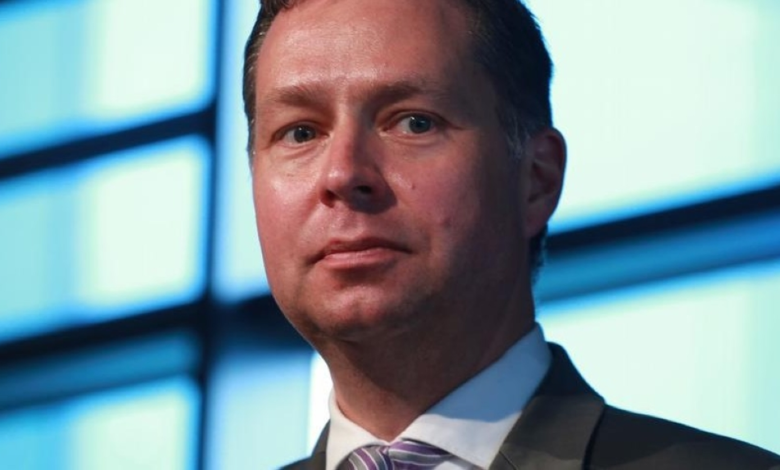
At a regular press conference in Berlin, German government spokesman Stephan Mayer stated, “We note that important and legitimate questions remain regarding Russia’s actual willingness to abandon its maximalist demands.” He emphasized that while European countries were not directly invited to this particular round of talks, Germany was consulted and its positions coordinated, reflecting a unified Western stance on the crisis.
The context of the conflict and the conflicting demands
These developments come amid a complex military and political landscape. Ahead of the trilateral meeting, the Kremlin insists on the withdrawal of Ukrainian forces from eastern Ukraine as a prerequisite for any settlement, a move Moscow considers an acknowledgment of the "new regional reality." Kyiv, however, categorically rejects these conditions, maintaining its sovereignty over all its territory as defined by the 1991 borders, and asserting that any territorial concessions would set a dangerous precedent threatening the very existence of the Ukrainian state.
Since the outbreak of war in February 2022, the international community has witnessed several attempts at mediation, but the gap between the two sides remains wide. While Russia seeks to consolidate its control over the annexed territories and demands Ukraine's neutrality, the West and Ukraine maintain that any solution that does not guarantee the withdrawal of Russian forces and hold those responsible for the war accountable will be unjust.
Fears of a “fragile peace” and rearmament
German spokesman Meyer emphasized a crucial point in the European vision for a solution, stating that any agreement must "establish a lasting and sustainable peace." He added, warning: "Nothing of value will be achieved if the peace agreement ultimately amounts to nothing more than a tactical respite for Russia, which it uses to regroup and launch new, more violent attacks in the future.".
These concerns bring to mind past experiences such as the Minsk agreements, which many Western leaders believe failed to end the conflict in Donbas, merely freezing it temporarily. Therefore, the current focus is on the necessity of robust implementation mechanisms for any potential agreement to prevent a recurrence of the military scenario.
The importance of security guarantees and the international stance
The German official emphasized the paramount importance of the "security guarantees" that the West must offer Ukraine to ensure it is not subjected to future aggression. These guarantees, discussed internationally, range from potential NATO membership to robust bilateral defense agreements with global powers.
On the political front, Ukrainian President Volodymyr Zelenskyy criticized some of Kyiv's European political and financial backers, arguing that Europe "seems lost in trying to persuade the US administration to change its approach," and pointing to what he described as a lack of political will in confronting Russian President Vladimir Putin. This statement reflects Kyiv's concern about declining Western support or being pressured into accepting unfair compromises under the weight of global economic and political conditions.
The outcome of these negotiations will not only affect the fate of Ukraine and Russia, but its effects will extend to global food security, energy markets, and the shape of the European security system for decades to come, making German caution and international anticipation the order of the day.