
Historic jump in global oil prices
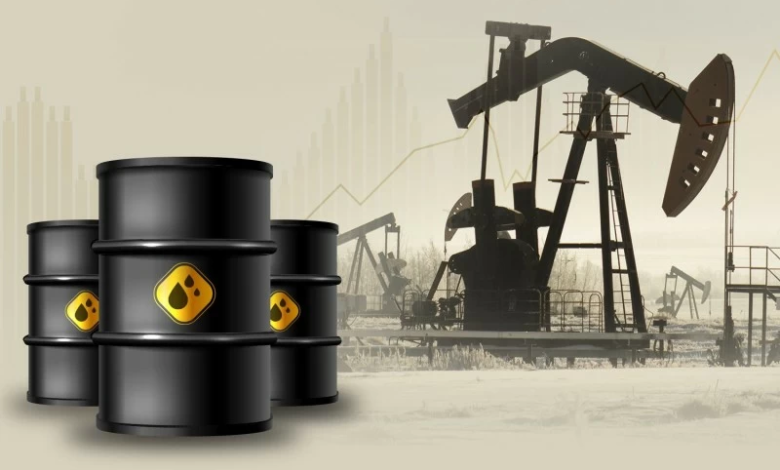
Global energy markets witnessed dramatic shifts in early trading on Monday, with oil prices surging by more than 20% for US crude futures. This sudden surge pushed prices above $101 a barrel, reaching their highest level since July 2022. These rapid developments come amid heightened anticipation and extreme caution among investors in global financial markets, fueled by concerns about widespread geopolitical repercussions.
Geopolitical tensions and the Strait of Hormuz
The primary reason behind this sharp rise in oil prices is the escalation of geopolitical tensions, specifically the intensification of the conflict and events involving the United States and Israel with Iran. These developments have raised genuine and profound concerns about the potential for a reduction in global oil supplies. The greatest concern revolves around the security of navigation in the Strait of Hormuz , one of the world's most strategically important waterways, through which approximately one-fifth of the world's daily oil consumption passes. Any prolonged disruption to shipments through this strait would result in a supply shock that could not be easily compensated for by other sources.
Figures and market movements details
In terms of precise trading figures, West Texas Intermediate (WTI) crude oil futures rose 16.31% to settle at $105.73 per barrel. It's worth noting that these contracts had earlier seen an even larger increase of 22.4%, reaching $111.24. Meanwhile, Brent crude, the global benchmark for oil prices, reached $101.19 per barrel shortly after trading resumed on the Chicago Board of Trade. This represents a 9.2% increase compared to Friday's closing price of $92.69.
Record weekly increase and economic repercussions
The gains weren't limited to daily trading; they extended to record exceptional weekly figures. Benchmark crude rose by 12% during Friday's trading, contributing to a massive overall weekly increase of 36%. This weekly gain is among the largest in the history of modern energy markets.
Historically, oil prices have been closely linked to security and stability in the Middle East. When prices rise sharply like this, the effects extend to the entire global economy. Internationally , this surge threatens to reignite inflation, potentially forcing major central banks to maintain high interest rates for longer periods. Domestically and regionally , oil-importing countries will face immense pressure on their public finances due to increased energy import bills, which will directly impact the prices of goods and services and transportation costs. While oil-exporting countries may experience a temporary increase in revenue, security uncertainty remains the greatest challenge to economic stability.