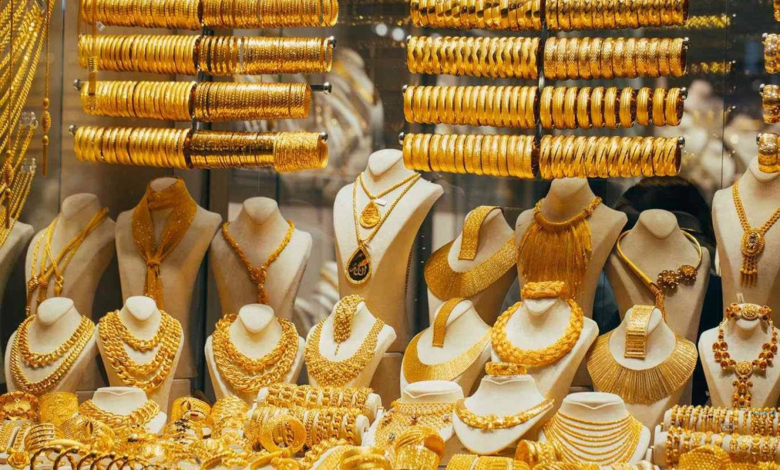

Introduction to the decline in gold prices
Global financial markets were rocked by a drop in gold prices , which fell by more than 8% today to reach their lowest level in four months. This significant decline comes after the precious metal recorded its biggest weekly loss in nearly 43 years last week. These sharp declines are primarily attributed to the escalating conflict in the Middle East, which has fueled concerns about a resurgence in inflation and, consequently, strengthened expectations that central banks will raise interest rates globally to stabilize the economy.
Details of the historic price drop
In trading details, spot gold fell 6.3% to $4,203.21 an ounce, extending its losing streak to a ninth consecutive session. Earlier in the session, gold had dropped more than 8% to $4,097.99, its lowest level since November 24. Meanwhile, U.S. gold futures for April delivery also declined, falling 8.1% to settle at $4,205.10.
Worst performance in decades
This performance is the worst for the yellow metal in decades, as gold fell by more than 10% during the past week, recording its worst weekly performance since February 1983. With this continuous decline, gold has fallen by about 25% from its record and historical peak of $5,594.82 per ounce, which it recorded on January 29, reflecting a radical shift in investor sentiment and capital flows at the present time.
General context and historical background
Historically, gold has been considered the primary safe haven for investors during times of crisis and geopolitical and economic turmoil. However, the inverse relationship between gold prices and interest rates plays a crucial role in determining price trajectories. When interest rates rise, the opportunity cost of holding gold, which does not generate a fixed return, increases, prompting investors to shift towards government bonds and higher-yielding assets. What we are witnessing today bears a striking resemblance to the economic crises of the early 1980s, when central banks were forced to adopt strict contractionary monetary policies to curb inflation, which in turn led to immense selling pressure on commodities and precious metals.
Expected repercussions on the markets
Regionally and internationally, this sharp decline in gold prices is expected to have mixed effects. Globally, this drop may reflect a recalibration of market prices based on the continuation of tight monetary policies for a longer period than anticipated. Regionally, gold-importing countries may see this decline as an opportunity to bolster their reserves at a lower cost, while the revenues of companies reliant on gold mining and exports may be affected. Locally, this global decrease is directly reflected in jewelry and retail markets, potentially stimulating consumer demand for gold jewelry and bullion from individuals who anticipate such price drops to purchase for savings or adornment, despite the prevailing uncertainty in the overall economic landscape.