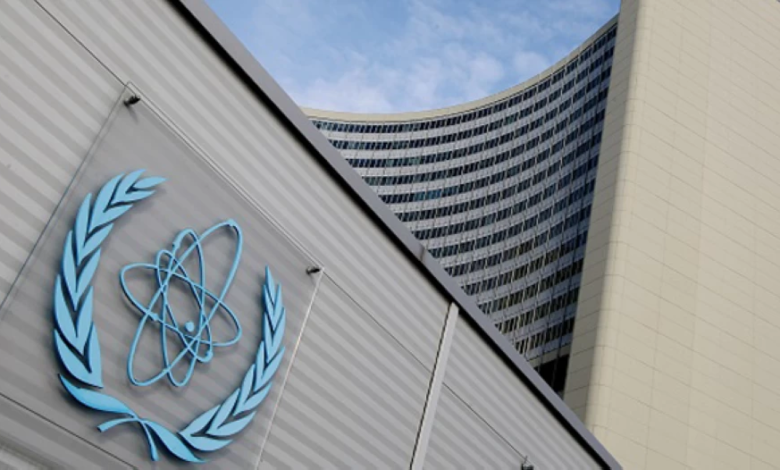

استعدادات وكالة الطاقة الدولية لمواجهة أزمة الطاقة
أعلنت وكالة الطاقة الدولية، في خطوة استراتيجية تهدف إلى الحفاظ على استقرار الأسواق العالمية، عن استعدادها التام للإفراج عن كميات إضافية من احتياطي النفط الاستراتيجي عند الحاجة. يأتي هذا الإعلان في ظل تصاعد التوترات الجيوسياسية التي تهدد سلاسل إمداد الطاقة العالمية. وبحسب تقارير وكالات الأنباء، جرى تنسيق عالي المستوى، حيث طلبت الحكومة اليابانية من المدير التنفيذي لوكالة الطاقة الدولية، فاتح بيرول، ضرورة الإفراج عن كميات إضافية من مخزونات النفط بشكل منسق ومدروس لضمان استقرار الأسعار وتلبية الطلب العالمي المتزايد.
تحذيرات من أسوأ أزمة طاقة منذ عقود
في سياق متصل، أطلق المدير التنفيذي لوكالة الطاقة الدولية، فاتح بيرول، تحذيرات شديدة اللهجة من أن العالم قد يواجه قريباً أسوأ أزمة طاقة منذ عقود. وأشار بيرول إلى أن التوترات المستمرة والنزاعات، لا سيما في منطقة الشرق الأوسط التي تعد الشريان الرئيسي لتدفق النفط العالمي، تجعل الوضع الحالي خطيراً جداً. وتلعب منطقة الشرق الأوسط دوراً محورياً في تحديد اتجاهات أسواق الطاقة، وأي اضطراب في خطوط الملاحة أو الإنتاج ينعكس فوراً على الاقتصاد العالمي بأسره.
الخلفية التاريخية: مقارنة مع أزمات السبعينيات
لتوضيح حجم المخاطر الحالية، عقد بيرول مقارنة تاريخية هامة خلال كلمته في نادي الصحافة الوطني في العاصمة الأسترالية كانبيرا. وأوضح قائلاً: «حتى الآن، خسرنا حوالي 11 مليون برميل يومياً من الإمدادات، وهو رقم يفوق ما خسرناه خلال أزمتي النفط الرئيسيتين مجتمعتين في سبعينيات القرن الماضي». وأضاف مفصلاً: «في ذلك الوقت، خسر العالم نحو 5 ملايين برميل يومياً في كل من الأزمتين، أي ما مجموعه 10 ملايين برميل يومياً إذا جمعنا الأزمتين معاً». وتعود هذه الأرقام إلى أزمة حظر تصدير النفط عام 1973، والأزمة التي تلتها عام 1979، مما يبرز مدى فداحة النقص الحالي في الإمدادات مقارنة بالتاريخ الحديث.
أهمية الحدث وتأثيره المتوقع على الأسواق
التأثير الدولي والإقليمي
تأسست وكالة الطاقة الدولية في عام 1974 استجابة لأزمة النفط الأولى، وهدفها الأساسي هو ضمان أمن الطاقة العالمي. إن قرار الإفراج عن احتياطي النفط الاستراتيجي ليس قراراً عادياً، بل هو أداة حيوية تستخدمها الدول الأعضاء لتهدئة الأسواق وكبح جماح التضخم الذي يرتفع عادة مع قفزات أسعار الطاقة. على الصعيد الدولي، سيساهم هذا الإجراء في طمأنة المستثمرين وتقليل تقلبات الأسعار التي تضر بالنمو الاقتصادي العالمي وتزيد من تكاليف الشحن والإنتاج.
التأثير المحلي والاقتصادي
أما على الصعيد المحلي للدول المستوردة للنفط، فإن توفر إمدادات إضافية يعني استقرار أسعار الوقود للمستهلكين والشركات، مما يخفف من أعباء تكلفة المعيشة. وفي المقابل، تراقب الدول المنتجة للنفط هذه التحركات عن كثب، حيث تسعى دائماً للحفاظ على توازن يضمن إيراداتها الوطنية دون الإضرار بالطلب العالمي. إن التنسيق بين وكالة الطاقة الدولية والدول الكبرى يعكس إدراكاً عميقاً بأن أمن الطاقة هو ركيزة أساسية للأمن القومي والاستقرار الاقتصادي الشامل.