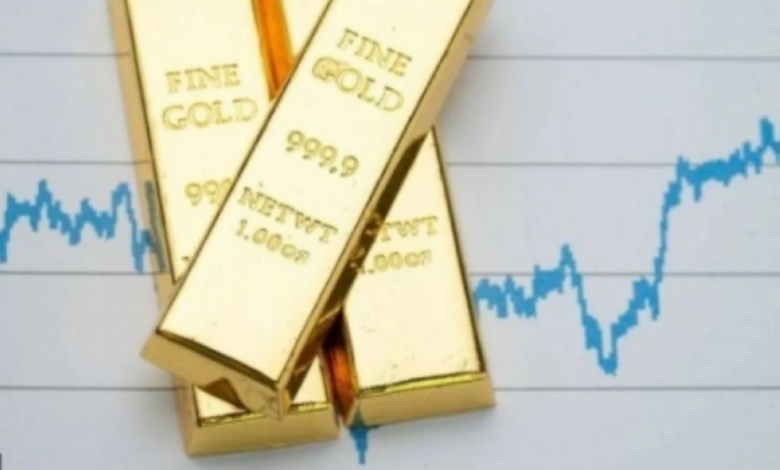

Global financial markets, particularly the precious metals sector, witnessed a sudden economic earthquake that triggered panic among investors and traders worldwide. Gold and silver prices plummeted sharply and unprecedentedly, wiping out approximately $7.4 trillion in market capitalization within minutes, according to economic reports cited by Al Arabiya.net. This dramatic drop followed a series of record highs achieved by the two metals in recent weeks, raising serious questions about the nature of this movement: Is it a natural technical correction, or a deliberate manipulation?
Economic context: between safe haven and profit-making
Historically, gold has been considered a safe haven for investors during periods of geopolitical and economic uncertainty. While price corrections and profit-taking were expected after recent record highs, the severity and speed of the decline have been shocking. Analysts view this event as one of the largest liquidity volatility events in market history, driven by a confluence of factors including heavy profit-taking, high-risk speculation, and the prevailing uncertainty in the global economy.
Allegations of manipulation and questions from investors
This rapid collapse did not go unnoticed. A wide range of investors and observers wondered whether these movements were the result of outright market manipulation by trading "whales" or large hedge funds. Experts suggest that the sharp price decline may have been caused by coordinated actions, or what is known in financial markets as "panic selling," deliberately designed to trigger stop-loss orders for small traders.
In this context, financial analysts explained that smaller, less liquid markets, such as silver, platinum, and palladium, are always more prone to sharp fluctuations than larger markets like gold or the S&P 500. These smaller markets are highly sensitive to any sudden cash inflows, making them fertile ground for rapid speculation.
Expert opinions: Is this the end of the rally or just a break?
Commenting on the events, Kathleen Brooks, an expert at a global trading group, told the Economic Times: "The gold and silver rally is over because prices rose too quickly and unsustainably." This view is supported by David Meagher, a metals trading manager, who explained that the selling was a tactic to capitalize on record highs, as investors rushed to secure their gains. He also noted that despite this pullback, both metals are still on track for their best monthly performance since the 1980s.
Guy Wolfe added an important warning, noting that these metals are prone to very rapid price movements that may stray entirely from the logic of actual supply and demand, and instead be subject to the whims of speculators and technical movements on trading platforms.
Summary and expected impact
Although there has been no official confirmation from regulators of manipulation, the sheer scale of the losses has reopened the debate on "market fairness" and the urgent need for rigorous regulatory reviews. The wiping out of trillions of dollars in moments reflects a certain vulnerability to speculative flows and reminds investors that financial markets, however robust, remain susceptible to surprises linked to geopolitical events and central bank decisions, most notably those of the US Federal Reserve.