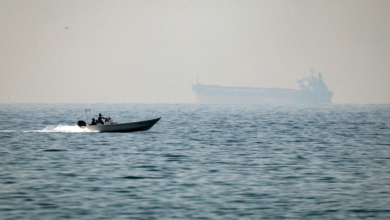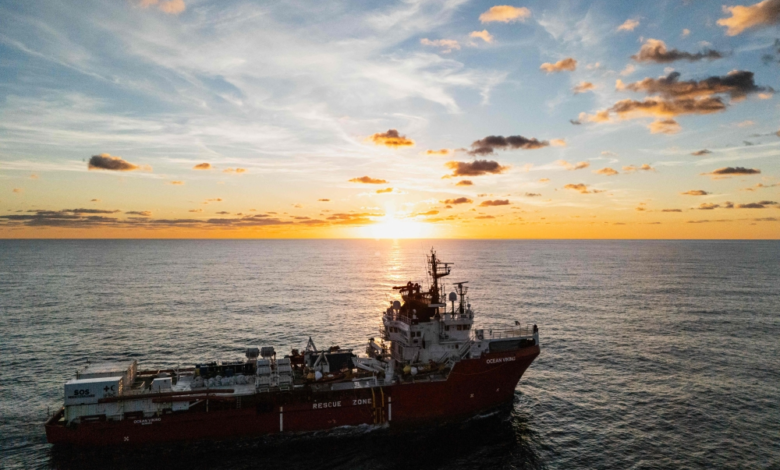

The Black Sea region has witnessed a dangerous new escalation threatening the safety of commercial shipping and global energy supplies, as two Greek oil tankers were attacked by unidentified drones. The incident occurred near the Russian coast, specifically in a vital oil export route from Central Asia to global markets.
Details of the attack and damage
Official sources at the Greek Ministry of Maritime Affairs reported that the two tankers targeted were the Maltese-flagged Matilda and the Liberian-flagged Delta Harmony. According to initial reports, the attack did not cause significant damage to the vessels or any injuries to the crews. The Kazakh state-owned company KazMunaygas confirmed that the Matilda was en route to load Kazakh oil from the Caspian Pipeline International Consortium (CPC) terminal near the Russian port of Novorossiysk, and stated that the vessel remained seaworthy.
Mutual accusations and official silence
While no official group has claimed responsibility for the attack, Russian media outlets, including RIA Novosti, were quick to point the finger at Ukraine, alleging that Kyiv was behind the operations. The Ukrainian government, however, remained silent, issuing no official statement either confirming or denying these allegations, further deepening the mystery surrounding the perpetrators and their motives.
The strategic importance of the Caspian Sea pipeline
This incident is particularly significant given the attack's proximity to the CPC pipeline. This pipeline is a vital outlet for exporting more than two-thirds of Kazakhstan's oil. Kazakhstan is a landlocked country, entirely dependent on Russian infrastructure to access global markets. Any disruption to this pipeline not only impacts the Kazakh economy but could also lead to fluctuations in global oil prices, as it carries approximately 1.2% of the world's oil supply.
The Black Sea as an open battleground
This attack comes as the Black Sea has become a major battleground since the outbreak of the Russian-Ukrainian war. Attacks on commercial vessels and port infrastructure have intensified in recent weeks, driving up marine insurance costs and forcing many shipping companies to reassess their routes. Observers suggest that continued attacks could broaden the conflict to include a direct threat to global food and energy security, especially given the previous collapse of grain agreements and the current threats targeting oil tankers.