Growth in travel between Saudi Arabia and Egypt: Reasons and future prospects


Travel between the Kingdom of Saudi Arabia and the Arab Republic of Egypt has witnessed rapid and unprecedented growth recently, reflecting the depth of the strategic and historical relations that bind the two brotherly countries. This remarkable increase in flight rates and passenger numbers is not merely a passing phenomenon, but rather the result of several economic, tourism, and social factors that combine to strengthen the ties between Cairo and Riyadh.
Historical background and well-established strategic relationships
Saudi-Egyptian relations have long been a cornerstone of stability in the Arab region. For decades, air travel between the two countries has been among the busiest in the Middle East and North Africa. This is due to the large Egyptian community working in the Kingdom and contributing to its economic development, as well as the continuous flow of Egyptian pilgrims performing Umrah and Hajj to the holy sites. However, current growth is transcending traditional patterns to encompass new dimensions related to leisure tourism and mutual investment.
Growth drivers: Tourism and Vision 2030
One of the main drivers of this rapid growth is the significant transformation underway in Saudi Arabia's tourism sector as part of Vision 2030. The Kingdom has become an attractive tourist destination for visitors from around the world, including Egyptians, thanks to global events such as Riyadh Season and the development of new tourist destinations in the Red Sea and Al-Ula. Conversely, Egypt remains a preferred tourist destination for a large segment of Saudi citizens, due to geographical proximity, cultural ties, and the diversity of its tourism offerings, from beaches to historical sites.
Expansion of aviation networks and air connectivity
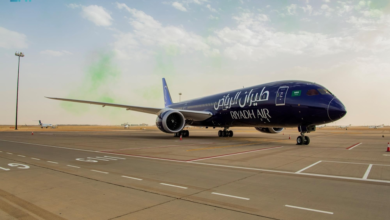
In response to this growing demand, airlines in both countries have increased the number of flights and launched new direct routes connecting various cities in Saudi Arabia and Egypt, no longer limited to the capital cities. This expansion in seating capacity has contributed to a relative reduction in travel costs and provided travelers with more options, encouraging more individuals and families to travel between the two countries more frequently.
Economic impact and future
The booming travel sector is positively impacting the local economies of both countries, stimulating the hospitality, transportation, and retail sectors. Experts anticipate this upward trend will continue in the coming years, particularly with ongoing visa facilitation and progress on future electricity and land transport interconnection projects, further solidifying the two countries' position as a unified regional power in the tourism and business sectors.