White House: We are close to a good deal with Iran regarding its nuclear program

US optimism about reaching a new nuclear agreement soon
The White House recently announced that the United States is closer than ever to reaching a "good deal" with Iran, signaling potential progress in the complex negotiations concerning the Iranian nuclear program. The US administration attributed this rapprochement primarily to President Donald Trump's negotiating strategy of applying maximum economic pressure, arguing that it has compelled Tehran to return to the negotiating table with more serious demands.
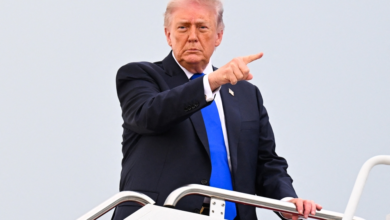
In his remarks, President Trump asserted that the United States had done a remarkable job on the Iranian issue, expressing his hope that the Iranians would reach a fair agreement that would allow them to rebuild their country. He emphasized that the economic sanctions imposed on Iran were causing it enormous financial losses daily, while simultaneously affirming that Washington would not allow Tehran to possess nuclear weapons under any circumstances.
Historical background: From the 2015 nuclear agreement to the maximum pressure policy
These developments come after years of escalating tensions following the United States' withdrawal from the Joint Comprehensive Plan of Action (JCPOA), commonly known as the Iran nuclear deal, in 2018. This agreement, signed in 2015 between Iran and the P5+1 group of nations, aimed to curb Iran's nuclear activities in exchange for the lifting of economic sanctions. However, the Trump administration deemed the agreement "flawed" because it did not address Iran's ballistic missile program or its regional influence, leading to the US withdrawal and the reimposition of crippling sanctions as part of its "maximum pressure" campaign.
The importance of the agreement and its potential regional and international impact
Reaching a new agreement is of major strategic importance on all levels. Regionally, a new deal would help reduce tensions in the Middle East, which has witnessed attacks on oil facilities and tankers in the Gulf. It could also pave the way for broader dialogue to address other security issues, impacting Iran's relations with its neighbors, particularly Saudi Arabia and Israel.
Internationally, the success of the negotiations would represent a diplomatic victory for the US administration and would restore some stability to global energy markets by potentially allowing Iranian oil to return to the market in full. It would also bolster global efforts to prevent nuclear proliferation. Conversely, the failure of the negotiations could open the door to a dangerous escalation, especially given Iran's continued uranium enrichment at levels exceeding those permitted under the 2015 agreement.