Grundberg: The future of southern Yemen will be determined by dialogue, not force

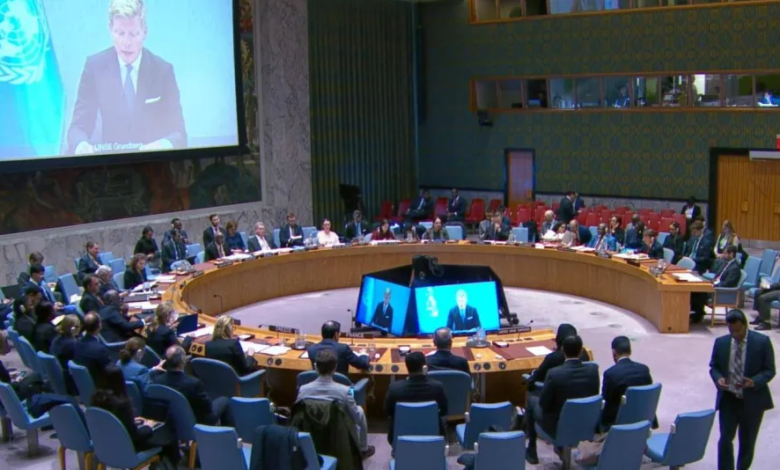
The UN Secretary-General’s Special Envoy to Yemen, Hans Grundberg, reaffirmed the UN’s firm stance on the complexities of the Yemeni situation, emphasizing that the future of southern Yemen and the southern issue cannot be determined by any single party through the imposition of a fait accompli or the use of military force. Grundberg indicated that inclusive political dialogue is the only way forward and the only real opportunity to address historical grievances and reach a just and sustainable settlement.
This statement comes at a sensitive time in the Yemeni crisis, where political, military, and humanitarian issues are intertwined. The Southern Question is of paramount importance in any future peace negotiations, given its historical roots dating back to the period following Yemeni unification in 1990 and the subsequent 1994 civil war, which left profound political and social scars that continue to shape the current landscape. The escalating demands in the southern governorates over the past decade have led to the formation of influential political entities, making the inclusion of Southern representatives in the peace process an urgent and indispensable necessity.
Observers of Yemeni affairs believe that the UN envoy's statements reflect international concern about any unilateral actions that could undermine efforts to solidify the ceasefire and move towards negotiations for a final settlement. The international community, represented by the Security Council and the countries sponsoring the political process, understands that the stability of Yemen and the region, including the security of international waterways in Bab al-Mandab and the Red Sea, is closely linked to a just resolution of the southern issue that satisfies the aspirations of the population and guarantees national partnership.
In a related context, the Yemeni Presidential Leadership Council faces significant challenges in unifying its ranks to address economic and security challenges, given the divergent visions for the future state. Here, the role of the United Nations becomes crucial in attempting to bridge these differences. Grundberg is striving to broaden participation in negotiations to include all relevant actors, ensuring that no group is marginalized and avoiding a repeat of past mistakes that led to renewed cycles of violence.
In conclusion, the United Nations’ message remains clear: the path to peace in Yemen is through the round table, not through the barrels of guns, and the future of the South is an integral part of the future of stability in the Arabian Peninsula, which calls on all parties to make concessions and prioritize reason and dialogue to end the suffering of the Yemeni people that has continued for years.