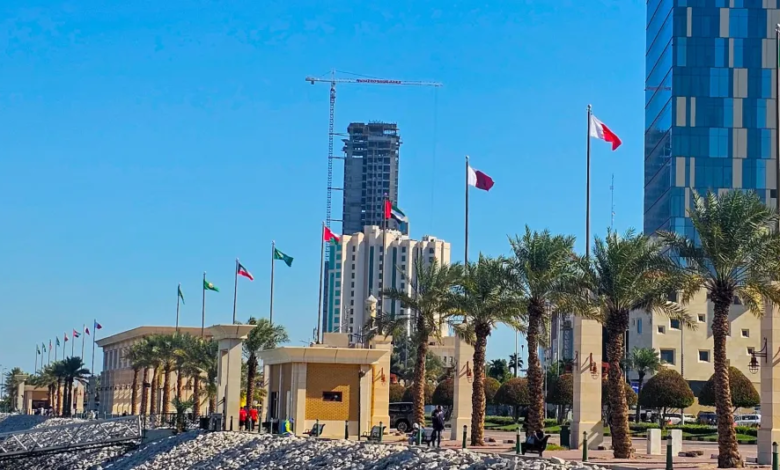

أثارت الأنشطة المزعزعة للاستقرار في المنطقة موجة واسعة من الاستنكار، حيث توالت الإدانات الخليجية والعربية رداً على ما وُصف بأنه الهجمات الإيرانية على الكويت والبحرين، سواء كانت عبر دعم خلايا إرهابية أو التدخل في الشؤون الداخلية. ويعكس هذا الموقف الموحد قلقاً عميقاً من السياسات التي تهدد أمن واستقرار اثنتين من أهم دول مجلس التعاون الخليجي، ويؤكد على ضرورة احترام مبادئ السيادة وحسن الجوار.
جذور التوتر: تاريخ من التدخلات المزعزعة للاستقرار
لم تكن هذه الإدانات وليدة اللحظة، بل هي حلقة في سلسلة طويلة من التوترات التي تعود جذورها إلى عقود مضت، وتحديداً بعد الثورة الإيرانية عام 1979. منذ ذلك الحين، شهدت العلاقات بين إيران وجيرانها الخليجيين حالة من المد والجزر، شابها الكثير من الشكوك والاتهامات المتبادلة. تتهم دول الخليج، وفي مقدمتها السعودية، إيران بالسعي لفرض هيمنتها الإقليمية عبر “تصدير الثورة” ودعم جماعات مسلحة وميليشيات طائفية في عدة دول عربية، وهو ما تنفيه طهران باستمرار وتعتبره تدخلاً في شؤونها.
وتعتبر الكويت والبحرين، بحكم موقعهما الجغرافي وتركيبتهما السكانية، ساحتين محوريتين في هذا الصراع الجيوسياسي. وقد شهدت الدولتان على مر السنين محاولات عديدة لزعزعة استقرارهما الداخلي، تمثلت في الكشف عن خلايا تجسس وتهريب أسلحة ومتفجرات، والتي وجهت فيها أصابع الاتهام بشكل مباشر إلى الحرس الثوري الإيراني وجهات مرتبطة به.
تداعيات الهجمات الإيرانية على الكويت والبحرين: موقف خليجي موحد
تجلت خطورة هذه الأنشطة في حوادث محددة أدت إلى ردود فعل قوية. في الكويت، كان الكشف عن “خلية العبدلي” في عام 2015 من أبرز القضايا التي أثارت ضجة واسعة، حيث تم ضبط كميات هائلة من الأسلحة والمتفجرات، وأدين أعضاء الخلية بتهم التخابر مع إيران وحزب الله اللبناني بهدف تنفيذ أعمال عدائية. أما في البحرين، فقد أعلنت السلطات مراراً عن إحباط مخططات إرهابية وتفكيك خلايا مدعومة من إيران، كانت تستهدف شخصيات حيوية ومنشآت أمنية واقتصادية.
أمام هذه التحديات، برز الموقف الخليجي الموحد كركيزة أساسية للدفاع عن الأمن المشترك. فقد أصدر مجلس التعاون لدول الخليج العربية وجامعة الدول العربية بيانات إدانة شديدة اللهجة، مؤكدين على تضامنهم الكامل مع الكويت والبحرين في كل ما تتخذانه من إجراءات لحماية أمنهما وسيادتهما، ومطالبين المجتمع الدولي بتحمل مسؤولياته لوقف هذه التدخلات.
أبعاد الأزمة: من الأمن الإقليمي إلى الاستقرار العالمي
لا يقتصر تأثير هذه التوترات على المستوى الإقليمي فحسب، بل يمتد ليطال الاستقرار العالمي. منطقة الخليج العربي هي شريان الطاقة الرئيسي للعالم، وأي تصعيد أمني فيها يهدد حرية الملاحة في مضيق هرمز الاستراتيجي، مما قد يؤدي إلى اضطرابات حادة في أسواق النفط العالمية. لذلك، تحظى هذه الأحداث باهتمام دولي كبير، حيث تسعى القوى الكبرى إلى احتواء الأزمة ومنعها من الانزلاق إلى مواجهة عسكرية شاملة قد تكون عواقبها كارثية على الجميع.
ويؤكد المحللون أن الحل المستدام يكمن في التزام جميع الأطراف بالقانون الدولي وميثاق الأمم المتحدة، الذي ينص على عدم التدخل في الشؤون الداخلية للدول، وحل النزاعات بالطرق السلمية، وبناء علاقات قائمة على الثقة المتبادلة والمصالح المشتركة بدلاً من لغة التهديد والتصعيد.