
Rapid security developments in the Arabian Gulf waters
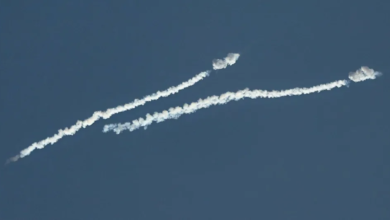
The Arabian Gulf region has witnessed rapid and sensitive security developments, with reports indicating that Gulf defenses successfully thwarted Iranian attack attempts, coinciding with an accidental crash of a Qatari helicopter into the sea. These events unfold amidst ongoing tensions in this strategic region, a vital artery for global energy and international shipping.
General context and historical background of Gulf-Iranian tensions
Historically, the Arabian Gulf region has been plagued by security and political tensions, particularly concerning relations between the Gulf Cooperation Council (GCC) states and Iran. These tensions stem from decades of political differences and mutual security concerns, especially with Iran's growing influence and its development of missile and drone programs. Recent years have witnessed several incidents targeting oil facilities and maritime traffic, prompting the Gulf states to bolster their defense systems and intensify joint military cooperation to ensure the region's security and stability and protect vital waterways, most notably the Strait of Hormuz, through which a significant portion of the world's oil supply passes.
Details of the Qatari helicopter crash
Amid these developments on the ground, reports emerged of a Qatari military helicopter crashing into the sea. Such incidents typically mobilize specialized search and rescue teams to ensure the safety of the crew and to determine the technical or meteorological causes of the accident. Regular aerial patrols and reconnaissance missions are a fundamental part of the Gulf states' military routine for monitoring maritime borders and securing territorial waters against any potential incursions or threats.
The importance of the event and its expected impact locally, regionally, and internationally
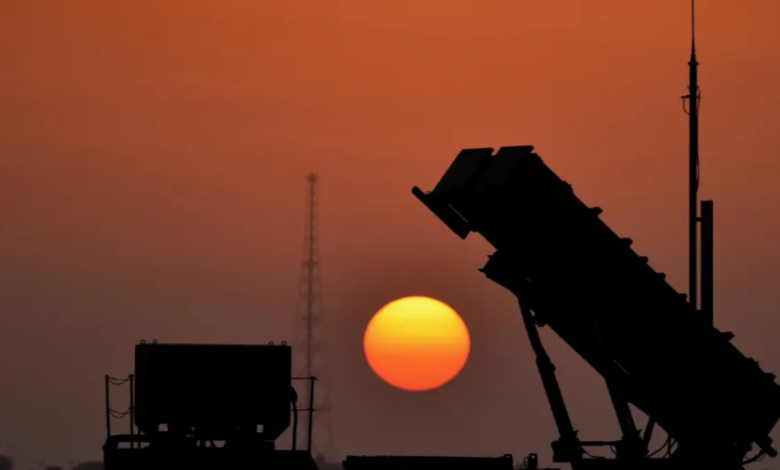
At the local and regional levels, the Gulf defenses' successful countermeasures against these attacks underscore the high level of readiness and efficiency of the armed forces of the Gulf Cooperation Council (GCC) member states. This defensive coordination sends a reassuring message to citizens and residents, affirming the collective ability of these nations to protect their sovereignty and national assets, and reinforcing the importance of activating and developing the joint Gulf missile defense system.
On the international level, any military escalation in the Gulf region has an immediate and direct impact on global markets, particularly energy and oil markets. The world closely monitors maritime security in the Arabian Gulf, and any threat to waterways often prompts international condemnation and swift action from major powers with naval bases and strategic interests in the region. These developments are expected to push the international community to intensify its calls for de-escalation and restraint, and to work towards diplomatic solutions to prevent the region from sliding into a full-blown military confrontation that could harm the fragile global economy.
Summary of the security situation
In conclusion, the Arabian Gulf region remains a pivotal hub for global security and the economy, which necessitates that the countries of the region continue to modernize their defense arsenals and strengthen their strategic alliances, while keeping diplomatic channels open to reduce tension and ensure the stability of this vital part of the world.