
مقدمة: جهود خليجية مكثفة لاحتواء التوترات
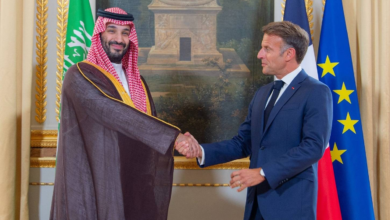
تشهد منطقة الشرق الأوسط في الوقت الراهن تحركات دبلوماسية واسعة النطاق، حيث تبرز جهود خليجية مكثفة تبحث مساعي عودة الأمن والاستقرار في المنطقة. تأتي هذه التحركات في ظل ظروف إقليمية ودولية بالغة التعقيد، تتطلب تنسيقاً عالي المستوى بين دول مجلس التعاون الخليجي لتجنيب المنطقة ويلات التصعيد العسكري والسياسي. وتعمل العواصم الخليجية كخلية نحل من خلال استضافة القمم واللقاءات التشاورية مع مختلف الأطراف الفاعلة إقليمياً ودولياً لضمان التهدئة وتغليب لغة الحوار.
السياق العام والخلفية التاريخية للدور الخليجي
تاريخياً، لم تكن مساعي دول الخليج العربي لتعزيز السلم وليدة اللحظة. منذ تأسيس مجلس التعاون لدول الخليج العربية في عام 1981، أخذت هذه الدول على عاتقها مسؤولية الحفاظ على التوازن الجيوسياسي في واحدة من أهم مناطق العالم استراتيجياً. لعبت الدبلوماسية الخليجية أدواراً محورية في إنهاء العديد من النزاعات، مثل اتفاق الطائف الذي أنهى الحرب الأهلية اللبنانية، والمبادرة الخليجية في اليمن، فضلاً عن جهود الوساطة المستمرة التي تقودها دول مثل سلطنة عمان ودولة قطر في تقريب وجهات النظر بين القوى الإقليمية والغربية، ومساعي المملكة العربية السعودية ودولة الإمارات العربية المتحدة في إرساء دعائم الاستقرار ودعم التنمية الشاملة.
أهمية الحدث وتأثيره المتوقع على مختلف الأصعدة
التأثير المحلي والإقليمي
على الصعيد الإقليمي، تكتسب أي جهود خليجية أهمية بالغة لكونها ترتبط بشكل مباشر بالرؤى التنموية الطموحة لدول المنطقة، مثل رؤية السعودية 2030 وغيرها من الخطط الاستراتيجية الخليجية التي تعتمد أساساً على تصفير المشاكل وخلق بيئة آمنة وجاذبة للاستثمارات. إن عودة الأمن والاستقرار تعني توجيه الموارد نحو التنمية المستدامة، والتعليم، والصحة، والابتكار، بدلاً من استنزافها في الصراعات. كما تساهم هذه المساعي في تخفيف المعاناة الإنسانية في مناطق النزاع المجاورة من خلال تقديم المساعدات الإغاثية العاجلة ودعم جهود إعادة الإعمار.
التأثير الدولي والعالمي
دولياً، ينظر العالم إلى التحركات الخليجية باهتمام بالغ. منطقة الخليج العربي والشرق الأوسط تعتبر الشريان الرئيسي لإمدادات الطاقة العالمية. وبالتالي، فإن أي تصعيد يهدد أمن الملاحة في البحر الأحمر أو مضيق هرمز أو الخليج العربي ينعكس فوراً على الاقتصاد العالمي. لذلك، فإن نجاح المساعي الخليجية في نزع فتيل الأزمات يضمن استقرار أسواق الطاقة العالمية، ويحافظ على سلاسل الإمداد والتجارة الدولية. وتلقى هذه الجهود دعماً وإشادة من الأمم المتحدة والقوى الكبرى التي ترى في دول الخليج شريكاً موثوقاً لصناعة السلام.
خلاصة
في الختام، تعكس التحركات الحالية نضجاً دبلوماسياً ورؤية استراتيجية عميقة. إن استمرار مساعي عودة الأمن والاستقرار في المنطقة ليس مجرد رد فعل على أزمات طارئة، بل هو نهج مؤسسي مستدام يهدف إلى بناء شرق أوسط جديد يرتكز على التعاون، والازدهار الاقتصادي، والاحترام المتبادل، مما يضمن مستقبلاً أفضل وأكثر أماناً للأجيال القادمة.