
جولة تفقدية لضمان جاهزية الشبكات والخدمات
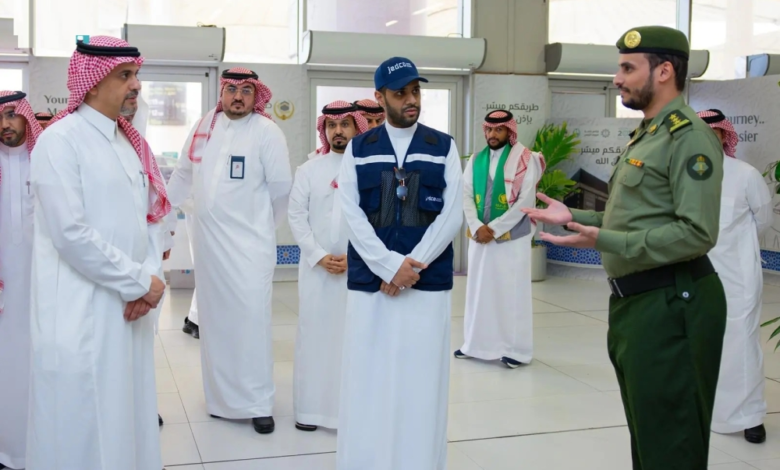
في إطار الاستعدادات المكثفة لموسم الحج لعام 1445هـ، قام محافظ هيئة الاتصالات والفضاء والتقنية، المهندس هيثم بن عبدالرحمن العوهلي، بجولة تفقدية ميدانية للوقوف على جاهزية البنية التحتية الرقمية في المنافذ الرئيسية لاستقبال الحجاج. شملت الجولة مطار الملك عبدالعزيز الدولي بجدة ومحطة قطار الحرمين السريع، وهما نقطتان محوريتان في رحلة ضيوف الرحمن.
وتهدف هذه الزيارة إلى التأكد من اكتمال كافة الترتيبات والاحتياطات اللازمة لضمان استمرارية وموثوقية خدمات الاتصالات والإنترنت، وتقديمها بأعلى معايير الجودة. وقد تضمنت الجولة زيارة مراكز بيع شركات الاتصالات في صالات المطار والمحطة، للتحقق من استعدادها لتلبية احتياجات الحجاج فور وصولهم، وتوفير الباقات والخدمات التي تسهل عليهم التواصل مع ذويهم ومتابعة رحلتهم الإيمانية بيسر وسهولة.
السياق التاريخي وأهمية التحول الرقمي في الحج
تأتي هذه الجهود كجزء من مسيرة طويلة للمملكة العربية السعودية في خدمة الحج والحجاج، والتي شهدت تحولاً جذرياً على مر العقود. فبعد أن كانت الخدمات تعتمد على الوسائل التقليدية، أصبحت اليوم ترتكز على بنية تحتية رقمية متطورة تعد من الأفضل في العالم. ويعكس هذا التطور التزام المملكة بتحقيق مستهدفات رؤية 2030، التي تضع تحسين تجربة ضيوف الرحمن في صميم أولوياتها عبر تسخير أحدث التقنيات.
إن توفير بنية تحتية رقمية قوية لم يعد ترفاً، بل ضرورة حتمية لإدارة الحشود المليونية وضمان سلامتهم وتسهيل تنقلاتهم وأداء مناسكهم. فالخدمات الرقمية اليوم تشمل كل شيء، بدءاً من استخراج التأشيرات الإلكترونية، مروراً بالتطبيقات الذكية التي تقدم الإرشاد والتوعية، ووصولاً إلى خدمات الطوارئ والصحة الرقمية.
التأثير المحلي والدولي للبنية التحتية الرقمية
على الصعيد المحلي، تساهم جاهزية قطاع الاتصالات في تمكين كافة القطاعات الحكومية والخاصة العاملة في الحج من أداء مهامها بكفاءة عالية، من خلال توفير اتصال موثوق وسريع لنقل البيانات وإدارة العمليات الميدانية. أما على الصعيد الدولي، فإن توفير خدمات اتصالات ممتازة يسمح لملايين الحجاج من مختلف أنحاء العالم بمشاركة تجاربهم الروحانية لحظة بلحظة مع عائلاتهم ومجتمعاتهم، مما يعزز الصورة الإيجابية للمملكة كدولة رائدة في إدارة الفعاليات العالمية الكبرى.
إن نجاح إدارة الجانب الرقمي في موسم الحج لا يقتصر تأثيره على تعزيز راحة الحجاج فحسب، بل يرسخ أيضاً مكانة المملكة كمركز تقني إقليمي، ويقدم نموذجاً عالمياً في كيفية استخدام التكنولوجيا لخدمة الأهداف الإنسانية والروحانية.