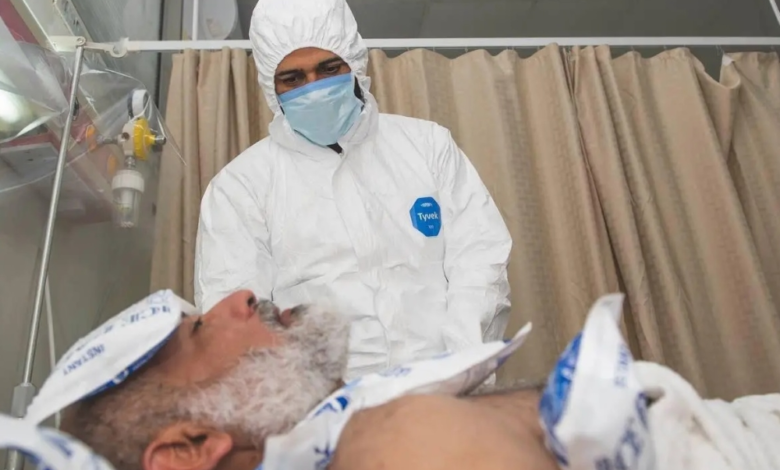

أعلنت وزارة الصحة السعودية عن تقديمها لمنظومة متكاملة من الخدمات الصحية لضيوف الرحمن خلال موسم حج عام 1445هـ، حيث تجاوز إجمالي الخدمات المقدمة حاجز 1,273,380 خدمة طبية متنوعة، وذلك منذ بداية الموسم وحتى اليوم الحادي عشر من شهر ذي الحجة. تعكس هذه الأرقام الضخمة حجم الجهد المبذول لضمان سلامة وراحة الحجاج، وتؤكد على التزام المملكة الراسخ بتوفير أعلى مستويات الرعاية الصحية لهم.
تأتي هذه الجهود كجزء لا يتجزأ من برامج رؤية المملكة 2030، وتحديداً “برنامج خدمة ضيوف الرحمن” و”برنامج تحول القطاع الصحي”، اللذين يهدفان إلى تحسين تجربة الحاج بشكل شامل، وتمكينه من أداء مناسكه بيسر وطمأنينة. وتُعد الرعاية الصحية حجر الزاوية في هذه التجربة، خاصة في ظل التحديات التي يفرضها تجمع الملايين من البشر في بقعة جغرافية محدودة وخلال فترة زمنية قصيرة.
خلفية تاريخية لخدمات الحج الصحية
لم تكن خدمة الحجاج وليدة اللحظة، بل هي امتداد لإرث تاريخي طويل من العناية بضيوف الرحمن. فمنذ تأسيس المملكة العربية السعودية، أولت الدولة اهتماماً بالغاً بصحة الحجيج. تطورت الخدمات الصحية بشكل كبير عبر العقود، فبعد أن كانت تقتصر على محاجر صحية ومستوصفات بسيطة، تحولت اليوم إلى منظومة صحية متكاملة تضم شبكة واسعة من المستشفيات الحديثة والمراكز الصحية المتخصصة الموزعة استراتيجياً في مكة المكرمة والمدينة المنورة والمشاعر المقدسة (منى، عرفات، ومزدلفة). كما يتم تسخير أحدث التقنيات، مثل المستشفيات الميدانية المتنقلة وسيارات الإسعاف المجهزة تجهيزاً عالياً، لضمان سرعة الاستجابة للحالات الطارئة في أي مكان.
تفاصيل الخدمات المقدمة بالأرقام
كشفت بيانات وزارة الصحة عن تفاصيل الخدمات التي استفاد منها الحجاج، والتي شملت طيفاً واسعاً من التدخلات الطبية، ومن أبرزها:
- إجمالي المستفيدين: بلغ عدد الحجاج الذين تلقوا الرعاية في المراكز الصحية والعيادات 68,237 حاجاً.
- حالات الطوارئ: تعاملت أقسام الطوارئ مع 52,709 حالة.
- العيادات الخارجية: استقبلت العيادات الخارجية 21,253 مراجعاً.
- التنويم: تم تنويم 5,772 حالة في المستشفيات لمتابعة حالتهم الصحية.
- العمليات الجراحية الدقيقة: أُجريت 365 عملية جراحية متقدمة، منها 30 عملية قلب مفتوح و291 عملية قسطرة قلبية.
- مواجهة الإجهاد الحراري: تعاملت الفرق الطبية بكفاءة مع 1,260 حالة إجهاد حراري، وهو من أبرز التحديات الصحية في موسم الحج.
- الاستشارات عن بعد: استقبل مركز الاتصال الموحد (937) أكثر من مليون اتصال لتقديم الاستشارات الطبية العاجلة.
الأهمية والتأثير على الصعيدين المحلي والدولي
تتجاوز أهمية هذه الجهود الصحية حدود المملكة، فلها تأثير مباشر على الأمن الصحي العالمي. فالحج يمثل أكبر تجمع بشري سنوي في العالم، مما يجعله محط أنظار المنظمات الصحية الدولية مثل منظمة الصحة العالمية. إن نجاح المملكة في إدارة هذا التجمع صحياً ومنع تفشي الأوبئة والأمراض المعدية لا يحمي الحجاج فحسب، بل يمنع انتقال أي عدوى إلى أكثر من 180 دولة يعود إليها الحجاج. وعلى الصعيد المحلي، يعزز هذا النجاح من مكانة المملكة كدولة رائدة في إدارة الحشود وتقديم الخدمات المتطورة، كما يوفر خبرات ميدانية لا تقدر بثمن للكوادر الصحية السعودية، مما يساهم في رفع كفاءة النظام الصحي الوطني بشكل عام.