
أعلنت وزارة البيئة والمياه والزراعة في المملكة العربية السعودية عن نجاح خططها التشغيلية والرقابية لموسم حج عام 1445هـ، حيث كشف فرع الوزارة في منطقة مكة المكرمة عن تنفيذ حزمة من الإجراءات المكثفة لضمان سلامة وصحة ضيوف الرحمن. وشملت هذه الجهود تنفيذ 14,525 جولة رقابية ميدانية على الأسواق والمسالخ والمواقع الحيوية في مكة المكرمة والمشاعر المقدسة، والإشراف على ما يقارب 79,583 ذبيحة قُدمت كأضاحي وهدي.
خلفية تاريخية وأهمية الرقابة في الحج
يُعد موسم الحج أكبر تجمع ديني سنوي في العالم، حيث يفد ملايين المسلمين من كل فج عميق إلى مكة المكرمة لأداء الركن الخامس من أركان الإسلام. هذا التجمع الهائل يفرض تحديات لوجستية وصحية وبيئية استثنائية. وعلى مر العقود، طورت المملكة العربية السعودية منظومة متكاملة لإدارة الحج، تضع سلامة الحجاج وراحتهم في مقدمة أولوياتها. وتعتبر الرقابة على الغذاء والمياه والبيئة حجر الزاوية في هذه المنظومة، لمنع تفشي الأمراض المنقولة عبر الغذاء والمياه، وضمان التزام جميع المنشآت بأعلى معايير الجودة والسلامة.
تفاصيل الجهود الرقابية لعام 1445هـ
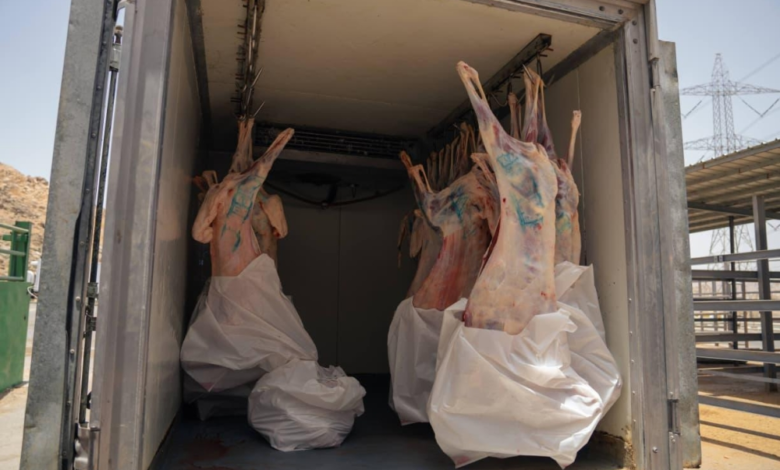
وفقًا للتقرير الصادر عن فرع الوزارة، تركزت الجولات الميدانية على متابعة مدى الالتزام بالأنظمة والاشتراطات المعتمدة، ورصد المخالفات وتطبيق الإجراءات النظامية بحق المخالفين. وقد عملت الفرق الرقابية على مدار الساعة لضمان تغطية جميع المواقع، بما في ذلك المسالخ النظامية وأسواق الماشية ومحلات بيع المواد الغذائية والمطابخ المركزية في مخيمات الحجاج. وأسفرت عمليات الفحص البيطري الدقيقة في المسالخ عن إعدام 1,079 ذبيحة بشكل كلي، و8,852 ذبيحة بشكل جزئي، لعدم صلاحيتها للاستهلاك الآدمي، مما يعكس صرامة الإجراءات المتبعة لحماية صحة الحجاج.
الأثر المحلي والدولي لنجاح الخطط التشغيلية
إن نجاح هذه الخطط الرقابية له أبعاد تتجاوز النطاق المحلي. فعلى الصعيد المحلي، تساهم هذه الجهود في توفير بيئة صحية وآمنة لملايين الحجاج والمواطنين والمقيمين المشاركين في خدمتهم. أما على الصعيد الدولي، فإن قدرة المملكة على إدارة هذا الحدث العالمي بكفاءة عالية تعزز من مكانتها وتبعث برسالة طمأنة للعالم الإسلامي بأن شعيرة الحج تُدار وفق أعلى المعايير العالمية. كما أن منع أي تفشٍ وبائي محتمل يمثل حماية للأمن الصحي العالمي، حيث يعود الحجاج إلى بلدانهم بعد انتهاء المناسك.
مبادرات الاستدامة وحفظ النعمة
لم تقتصر جهود الوزارة على الجانب الرقابي فقط، بل امتدت لتشمل جوانب الاستدامة وحفظ النعمة. وبالتعاون مع جمعيات حفظ النعمة، أشرفت إدارة القطاع غير الربحي بالوزارة على توزيع الفائض من الأغذية الصالحة للاستهلاك. حيث جرى تسليم 229 ذبيحة كاملة وما يقارب 5,898 كيلوجرامًا من الخضروات إلى 14 جمعية متخصصة، لتقوم بدورها بتوزيعها على الأسر المستفيدة، مما يجسد قيم التكافل ويحد من الهدر الغذائي خلال الموسم.
وأكد مدير عام فرع الوزارة بمنطقة مكة المكرمة، المهندس وليد بن إبراهيم آل دغيس، على استمرارية أعمال المتابعة والتنسيق مع كافة الجهات ذات العلاقة لضمان تنفيذ الخطط التشغيلية وتحقيق متطلبات السلامة والجودة في جميع الخدمات المقدمة لضيوف الرحمن.