Hajj Projects 1447 AH: Innovative Cooling Technologies and Safety Solutions

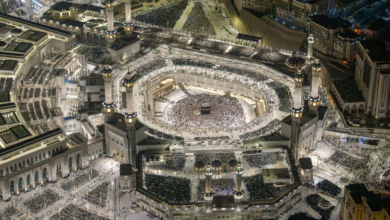
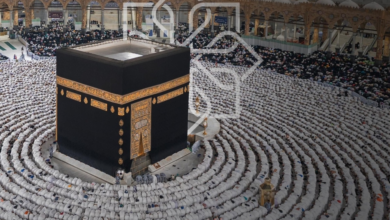
Informed sources revealed to Al-Youm newspaper details of a package of strategic development projects planned for the 1447 AH Hajj season, spearheaded by Kadana Development and Investment Company, the executive arm of the Royal Commission for Makkah and the Holy Sites. These initiatives are part of the Kingdom of Saudi Arabia's ongoing efforts to enhance Hajj and Umrah services, aligning with the goals of Vision 2030, which aims to facilitate the hosting of pilgrims to the Two Holy Mosques and provide them with the highest quality services.
A revolution in the cooling systems at the Jamarat facility
In a move aimed at addressing climate challenges, Kadana explained that the most prominent feature of the development plan is a complete overhaul of the air conditioning systems at the Jamarat facility. Traditional misting columns will be replaced with an advanced system based on highly efficient misting fans. The project includes replacing approximately 190 misting columns with modern fans capable of serving nearly 180,000 pilgrims per hour.
This project builds upon the successes achieved during the 1446 AH Hajj season, with new technologies aiming to reduce temperatures in the surrounding area by up to 8 degrees Celsius. This significant temperature reduction will play a pivotal role in minimizing heat stress among pilgrims and improving air quality, thus providing a healthy and safe environment for performing the rituals.
Expanding the umbrellas at Mount Rahma and addressing heat stress
In a related development aimed at enhancing climate comfort, the company announced the launch of the second phase of its project to mitigate the effects of heat stress in the Jabal Al-Rahma area of Arafat. The project aims to reduce the impact of direct sunlight on pilgrims by installing canopies covering a total area of approximately 14,000 square meters, distributed across 20 canopy units.
These umbrellas have been equipped with innovative cooling systems and misting fans to ensure the atmosphere is cooled during the peak afternoon hours, reflecting the keenness of the concerned authorities to adopt sustainable solutions that improve the quality of life in the holy sites and reduce the health risks associated with high temperatures.
Strategic context and expected impact
These projects are of paramount importance given the geographical and climatic context of Mecca and the increasing number of pilgrims each year. Strategically, these initiatives support the Kingdom's plans to increase the capacity of the Holy Sites while maintaining the highest safety standards. Internationally, these efforts reflect the Kingdom's unwavering commitment to harnessing all its material and human resources to serve Muslims from around the world, further solidifying its global leadership in crowd management and the organization of major mass events.
Geological studies to ensure sustainable safety
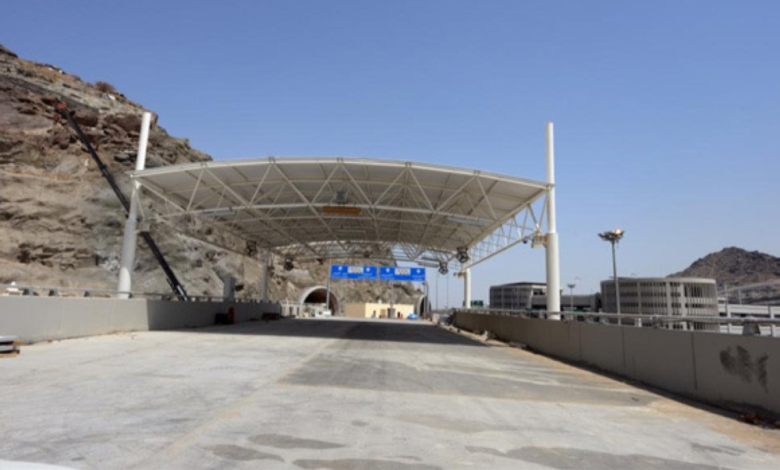
The projects were not limited to climate aspects alone, but also included enhancing geological safety. Kadana confirmed that the Hajj plan for 1447 AH included conducting in-depth studies to assess the risks of slopes and rockfalls in Mina, Muzdalifah, and Arafat, covering an area of approximately 119.6 square kilometers.
This vital project includes surveying 81 geotechnical zones across 506 monitoring stations, each spanning 50 meters. These studies aim to develop proactive engineering protection measures and propose innovative solutions that ensure the sustainability of the infrastructure and the safety of pilgrims and workers in future Hajj seasons, thus establishing the concept of a "safe Hajj" as a tangible reality.