
تطوير نوعي لخدمات ضيوف الرحمن في موسم حج 1447
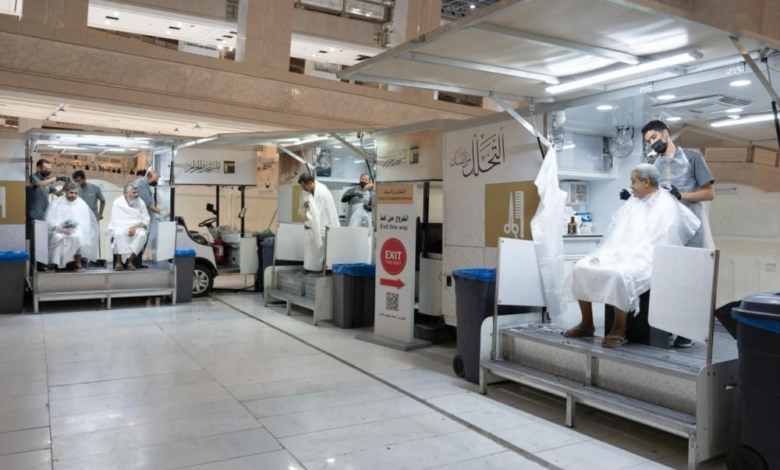
في إطار جهودها المستمرة لتحسين تجربة ضيوف الرحمن، أعلنت الهيئة العامة للعناية بشؤون المسجد الحرام والمسجد النبوي عن خطة تطويرية شاملة لخدمة التحلل المجانية (الحلاقة أو التقصير) داخل المسجد الحرام. تهدف الخطة الطموحة لموسم حج 1447هـ إلى خدمة 120 ألف حاج، مع الحفاظ على متوسط انتظار لا يتجاوز 4 دقائق، مما يعكس نقلة نوعية في الخدمات المقدمة وتجسيداً للاهتمام الفائق الذي توليه المملكة العربية السعودية لراحة الحجاج والمعتمرين.
أهمية نسك التحلل في رحلة الحاج والمعتمر
يُعد التحلل من الإحرام، سواء بالحلق (للرجال) أو التقصير (للرجال والنساء)، ركناً أساسياً لإتمام مناسك الحج والعمرة، وهو يرمز إلى الخروج من قيود الإحرام والعودة إلى الحياة الطبيعية. تاريخياً، كان الحجاج والمعتمرون يبحثون عن أماكن للحلاقة في المناطق المحيطة بالحرم، مما كان يسبب ازدحاماً وقد يعرضهم للاستغلال أو لممارسات غير صحية. وتأتي مبادرة توفير هذه الخدمة مجاناً وبشكل منظم داخل ساحات الحرم المكي لتلبية حاجة شرعية ملحة، وتوفير بيئة آمنة وصحية ومنظمة تليق بقدسية المكان وتيسر على ضيوف الرحمن إتمام نسكهم بيسر وطمأنينة.
خطة تشغيلية متكاملة لرفع الكفاءة
تتضمن الخطة الجديدة زيادة الطاقة التشغيلية وتوسيع النطاق الجغرافي للخدمة. شملت المبادرة استحداث مواقع جديدة ومجهزة بالكامل بالقرب من منطقة المروة عند نهاية المسعى، وهو موقع استراتيجي يسهل على الحجاج والمعتمرين الوصول إليه مباشرة بعد إتمام السعي. تم تصميم توزيع المواقع وفق دراسة هندسية دقيقة لضمان انسيابية الحركة وتقليل الازدحام في الساحات، مع تخصيص مسارات ومواقع خاصة لكبار السن والأشخاص ذوي الإعاقة، تأكيداً على شمولية الخدمة ومراعاتها لكافة الفئات.
الأثر الإيجابي على السمعة الدولية وإدارة الحشود
لا يقتصر تأثير هذه المبادرة على المستوى المحلي فقط، بل يمتد ليعزز السمعة الدولية للمملكة العربية السعودية في إدارتها لموسم الحج. إن تقديم خدمات متطورة ومنظمة بهذا الحجم يعكس التزام المملكة بتسخير كافة الإمكانيات لخدمة الحجاج، ويقدم نموذجاً يحتذى به في إدارة الحشود الضخمة والفعاليات الدينية الكبرى. وعلى الصعيد المحلي، تساهم الخدمة في تحقيق أهداف رؤية المملكة 2030 المتعلقة بإثراء التجربة الدينية للحجاج والمعتمرين، ورفع جودة الخدمات المقدمة لهم، وضمان سلامتهم وراحتهم.
أرقام قياسية وتكامل مع منظومة الخدمات
سجلت هذه الخدمة الإنسانية منذ انطلاقها أرقاماً قياسية، حيث استفاد منها أكثر من 2.9 مليون شخص، بمتوسط انتظار بلغ 4 دقائق فقط، وزمن تقديم فعلي للخدمة لا يتجاوز دقيقتين. هذه الأرقام تعكس الكفاءة العالية للتشغيل الرقمي وسرعة الإنجاز. وتعمل الهيئة على رفع جاهزية الكوادر البشرية خلال أوقات الذروة، مع إعادة تصميم مواقع الخدمة لتتناغم مع الهوية البصرية للحرم المكي الشريف. وتتكامل هذه الجهود مع منظومة الخدمات الشاملة التي تشمل الإرشاد الفقهي واللوجستي، وتقديم الهدايا الرمزية، والإجابة على استفسارات ضيوف الرحمن على مدار الساعة.