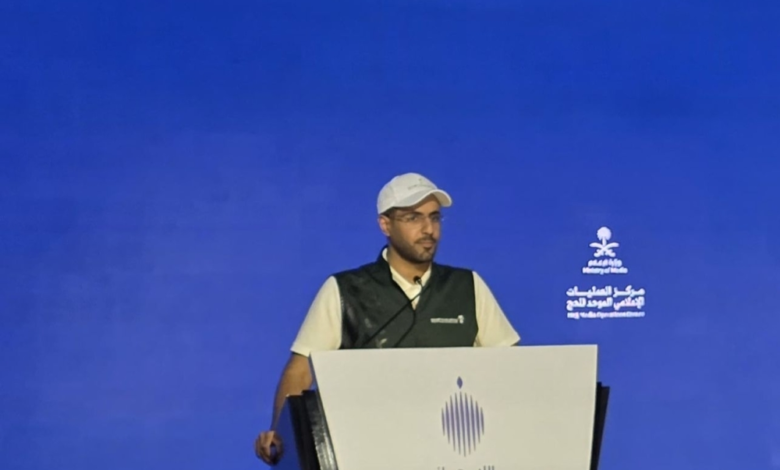

أكد المتحدث الرسمي باسم منظومة النقل والخدمات اللوجستية، عبدالعزيز بن عايد العتيبي، أن موسم الحج يُعد واحداً من أكبر العمليات اللوجستية في العالم. وأوضح خلال الإيجاز الصحفي الثاني لموسم حج 1447هـ، أن هذا الحدث السنوي الضخم يستوجب مستوى استثنائياً من التنسيق والتخطيط الدقيق لضمان انسيابية حركة ملايين الحجاج. وأشار إلى أن المنظومة قد سخرت كافة إمكاناتها التشغيلية والتقنية لخدمة ضيوف الرحمن، وتسهيل تنقلاتهم بين المشاعر المقدسة بكل يسر وطمأنينة.
تكامل مؤسسي لضمان سلامة ضيوف الرحمن
وبيّن العتيبي أن النجاح في إدارة العمليات اللوجستية في الحج لا يأتي من فراغ، بل هو نتاج منظومة تكاملية تضم 11 جهة تعمل بتناغم تام وتنسيق مستمر. وتخضع هذه الجهود لإشراف مباشر من وزير النقل والخدمات اللوجستية. ولم تكتفِ المنظومة بوجود جهات تشغيلية وتشريعية فقط، بل حرصت على دعم منظومة السلامة من خلال المركز الوطني لسلامة النقل، والذي يهدف إلى تعزيز وتطبيق أعلى معايير السلامة في مختلف أنماط النقل البرية والجوية والبحرية والسككية لضمان رحلة آمنة للحجاج.
السياق التاريخي وتطور النقل في الحج
تاريخياً، كانت رحلة الحج محفوفة بالمخاطر والتحديات اللوجستية، حيث كانت تستغرق أشهراً طويلة عبر قوافل الإبل والطرق الوعرة. ومع التطور الحديث، شهدت البنية التحتية في المملكة العربية السعودية نقلة نوعية متسارعة. وفي العقود الأخيرة، تحولت مكة المكرمة والمشاعر المقدسة إلى منظومة ذكية أثمرت عن مشاريع عملاقة مثل قطار الحرمين السريع، وقطار المشاعر المقدسة، وشبكات الطرق الحديثة المخصصة للنقل الترددي، وتوسعة المطارات الدولية. هذا التحول التاريخي جعل من المملكة نموذجاً عالمياً يُحتذى به في توفير بنية تحتية قادرة على استيعاب ملايين البشر في مساحة جغرافية محدودة وخلال فترة زمنية قصيرة جداً.
الأهمية والتأثير المحلي والدولي
تتجاوز أهمية نجاح العمليات اللوجستية في الحج البعد الديني لتشمل أبعاداً استراتيجية هامة. على الصعيد المحلي، يساهم هذا التنظيم الضخم في اختبار وتطوير كفاءة البنية التحتية السعودية بشكل سنوي، مما يتماشى مع مستهدفات رؤية السعودية 2030 الرامية إلى زيادة الطاقة الاستيعابية لاستضافة المعتمرين والحجاج وتقديم خدمات ذات جودة عالية. أما على الصعيدين الإقليمي والدولي، فإن نجاح المملكة في إدارة هذه الحشود المليونية يعزز من مكانتها الريادية في العالم الإسلامي. كما يقدم للعالم أجمع دروساً عملية في فنون الإدارة اللوجستية وإدارة الأزمات والحشود، حيث تراقب العديد من الدول والمنظمات الدولية هذه التجربة الفريدة للاستفادة من التقنيات والأساليب المبتكرة التي تطبقها السعودية في توجيه ونقل وإسكان الملايين بسلاسة وأمان تام.