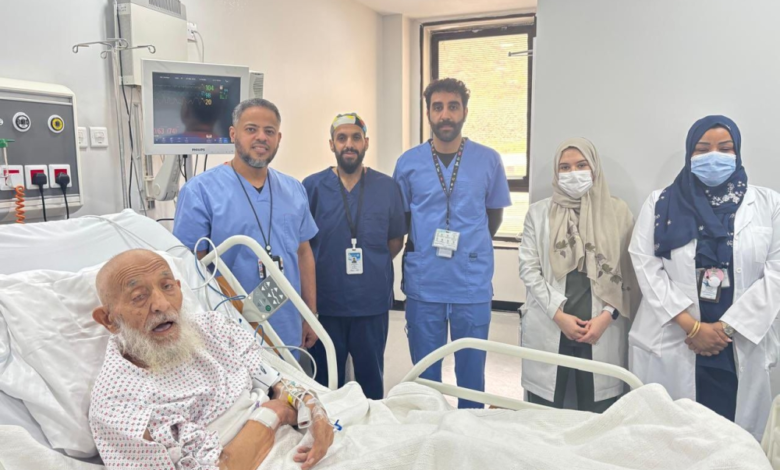

في إنجاز طبي جديد يضاف إلى سجل المملكة العربية السعودية في خدمة ضيوف الرحمن، نجح مركز القلب في مستشفى النور التخصصي، عضو تجمع مكة المكرمة الصحي، في إجراء 6 عمليات قسطرة قلبية عاجلة لحجاج من جنسيات مختلفة خلال موسم حج عام 1445هـ. وقد صُنفت هذه العمليات كإجراءات منقذة للحياة، مما يعكس مستوى الجاهزية العالية والاستجابة السريعة التي يتميز بها القطاع الصحي السعودي خلال هذا التجمع الإسلامي العالمي.
السياق العام: منظومة صحية متكاملة لخدمة الحجيج
تولي المملكة العربية السعودية، منذ تأسيسها، أهمية قصوى لخدمة حجاج بيت الله الحرام، وتعتبر الرعاية الصحية جزءاً لا يتجزأ من هذه الخدمة. فعلى مر العقود، طورت المملكة بنية تحتية صحية ضخمة في مكة المكرمة والمدينة المنورة والمشاعر المقدسة، تشمل مستشفيات متخصصة ومراكز صحية وعيادات متنقلة مجهزة بأحدث التقنيات الطبية. وفي كل عام، تستنفر وزارة الصحة آلاف الكوادر الطبية والفنية والإدارية لضمان تقديم خدمات وقائية وعلاجية وإسعافية مجانية لجميع الحجاج دون تمييز، وهو ما يجعل إدارة الحشود في الحج نموذجاً عالمياً فريداً في توفير الرعاية الصحية الشاملة.
تفاصيل العمليات الناجحة وأهميتها
أوضح الدكتور أحمد الحازمي، استشاري ورئيس قسم القلب بمستشفى النور التخصصي، أن الفرق الطبية المتخصصة تعاملت مع الحالات الست فور وصولها إلى المستشفى، حيث تم إجراء التدخلات الطبية اللازمة في وقت قياسي ووفق أعلى المعايير المعتمدة عالمياً. وأشار إلى أن سرعة الاستجابة كانت عاملاً حاسماً في إنقاذ حياة هؤلاء المرضى، بفضل الجاهزية القصوى لمركز القلب وما يضمه من كوادر سعودية مؤهلة وتقنيات رقمية متقدمة. وقد تكللت جميع العمليات بالنجاح التام، ويتمتع الحجاج حالياً بحالة صحية مستقرة ومطمئنة، حيث يتلقون الرعاية الطبية والتمريضية اللازمة تحت إشراف الفرق العلاجية المختصة، تمهيداً لتمكينهم من استكمال مناسكهم بصحة وعافية.
الأثر المحلي والدولي لهذا الإنجاز
على الصعيد المحلي، يؤكد هذا الإنجاز الطبي على نجاح الاستثمارات الضخمة في القطاع الصحي ضمن رؤية المملكة 2030 وبرنامج تحول القطاع الصحي، والتي تهدف إلى رفع جودة الخدمات وتعزيز كفاءة الكوادر الوطنية. أما على الصعيد الدولي، فإن هذه النجاحات تبعث برسالة طمأنة للعالم الإسلامي والمجتمع الدولي حول قدرة المملكة على توفير بيئة آمنة وصحية لملايين الحجاج القادمين من مختلف أنحاء العالم. كما أنها تعزز من مكانة المملكة كوجهة رائدة في تنظيم وإدارة أكبر التجمعات البشرية، وتبرز الوجه الإنساني والحضاري في خدمة ضيوف الرحمن، مؤكدةً أن رعاية الإنسان تأتي في قمة أولوياتها.