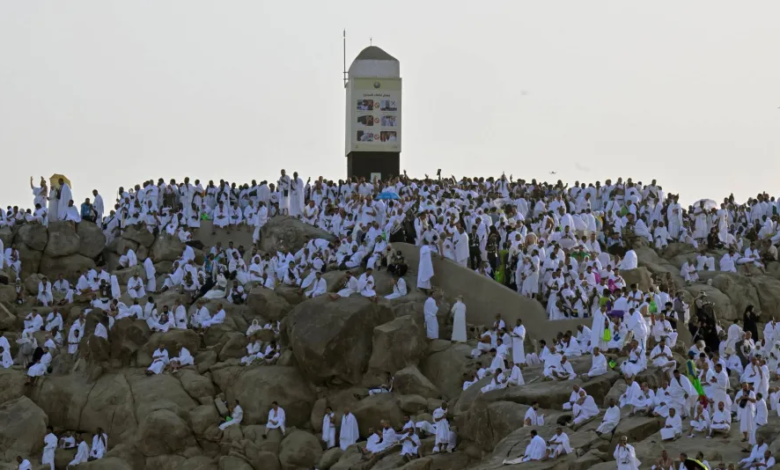

مع غروب شمس يوم عرفة المبارك، يتوجه ملايين الحجاج بقلوب خاشعة وأرواح متلهفة، في نفرة جماعية مهيبة من صعيد عرفات الطاهر إلى مشعر مزدلفة. هذه الحركة المليونية تمثل ذروة الركن الأعظم من أركان الحج، حيث قضى الحجاج يومهم في الدعاء والتضرع والتكبير، طالبين المغفرة والرحمة من الله عز وجل. وقفة عرفة، التي تُعد قلب الحج النابض، هي اللحظة التي تتجلى فيها أسمى معاني الإيمان والوحدة، حيث يقف المسلمون من كل حدب وصوب على صعيد واحد، لا فرق بين غني وفقير، أبيض وأسود، الكل في زي الإحرام الأبيض الموحد، مجردين من زينة الدنيا، متوجهين بقلوبهم إلى خالقهم.
الحج، الركن الخامس من أركان الإسلام، هو رحلة إيمانية عميقة تعود جذورها إلى آلاف السنين، وتحديداً إلى زمن نبي الله إبراهيم عليه السلام وابنه إسماعيل، ثم أتمها وأعاد إحياءها النبي محمد صلى الله عليه وسلم. مناسك الحج ليست مجرد طقوس، بل هي تجسيد حي لتاريخ طويل من التضحية والإيمان. يوم عرفة، على وجه الخصوص، يحمل أهمية تاريخية ودينية كبرى؛ ففيه ألقى النبي محمد خطبة الوداع الشهيرة، التي أرست مبادئ الإسلام وقيمه السامية في المساواة والعدل وحقوق الإنسان. هذا اليوم هو يوم إكمال الدين وإتمام النعمة، كما جاء في القرآن الكريم.
بعد غروب الشمس، تبدأ النفرة إلى مزدلفة، حيث يبيت الحجاج ليلتهم تحت السماء المفتوحة، ويجمعون حصيات رمي الجمرات. هذه الليلة في مزدلفة هي محطة هدوء وتأمل قبل الانطلاق نحو المرحلة التالية من المناسك. ومع بزوغ فجر يوم عيد الأضحى المبارك، يتوجه الحجاج إلى منى، التي تتأهب لاستقبالهم بحشودها الهائلة. منى، التي تُعرف بمدينة الخيام، تتحول إلى خلية نحل ضخمة، حيث يستعد الحجاج لأداء شعيرة رمي الجمرات، وهي رمز لطرد وساوس الشيطان ومقاومة الشرور. كما تشهد منى ذبح الهدي أو الأضاحي، وحلق الشعر أو تقصيره، وهي خطوات أساسية في التحلل من الإحرام.
هذه المراحل المتتالية من الحج ليست مجرد حركات جسدية، بل هي رحلة روحية عميقة تهدف إلى تطهير النفس وتجديد العهد مع الله. إنها فرصة للتأمل في عظمة الخالق، والتخلص من الذنوب، والعودة بصفحة بيضاء. الأهم من ذلك، أن الحج يمثل تجسيداً فريداً لوحدة الأمة الإسلامية؛ ففي هذه البقعة المباركة، يلتقي المسلمون من جميع أنحاء العالم، يتحدثون لغات مختلفة، وينتمون إلى ثقافات متنوعة، لكنهم يتوحدون في هدف واحد ولباس واحد، مما يعزز أواصر الأخوة والتضامن بينهم. هذا التجمع العظيم يبعث برسالة قوية للعالم عن قوة الإسلام ووحدة أتباعه.
إن إدارة هذا الحشد البشري الهائل، الذي يتجاوز الملايين سنوياً، يمثل تحدياً لوجستياً وإدارياً ضخماً. وتضطلع المملكة العربية السعودية بجهود جبارة لتوفير كافة سبل الراحة والأمان للحجاج، بدءاً من تنظيم حركة النقل بين المشاعر المقدسة، وتوفير الخدمات الصحية والإسعافية، ومروراً بتأمين المياه والطعام، وصولاً إلى إدارة الحشود لمنع التدافع وضمان سلامة الجميع. هذه الجهود تتطلب تخطيطاً دقيقاً وتنسيقاً مستمراً على مدار العام، وتُظهر التزام المملكة بخدمة ضيوف الرحمن وتسهيل أدائهم لمناسكهم بيسر وطمأنينة. الاستثمارات الضخمة في البنية التحتية للمشاعر المقدسة، مثل قطار المشاعر وتوسعة الحرمين الشريفين، خير دليل على هذا الالتزام.
بالإضافة إلى الأبعاد الروحية واللوجستية، يحمل الحج تأثيراً اقتصادياً كبيراً على المنطقة، حيث ينشط حركة التجارة والسياحة الدينية، ويوفر فرص عمل موسمية ودائمة. كما أن هذا الحدث العالمي يحظى بتغطية إعلامية واسعة النطاق، مما يسلط الضوء على الإسلام والمسلمين، ويقدم صورة حية عن عظمة هذا الركن العظيم من أركان الدين. ومع انتهاء أيام التشريق وعودة الحجاج إلى ديارهم، يحملون معهم ذكريات لا تُنسى، وقلوباً عامرة بالإيمان، وأملاً في حياة جديدة مليئة بالتقوى والصلاح، بعد أن أدوا فريضة العمر التي طالما حلموا بها.