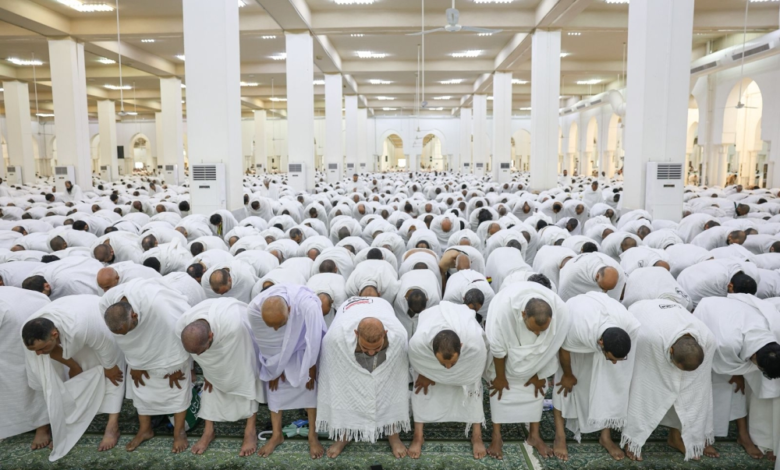

في مشهد إيماني مهيب، ومع إشراقة شمس يوم التاسع من ذي الحجة، توافدت جموع حجاج بيت الله الحرام إلى صعيد عرفات الطاهر لأداء ركن الحج الأعظم، ملبين نداء الخالق ومستشعرين عظمة الزمان والمكان. وفي قلب هذا اليوم المشهود، اجتمع الملايين في مسجد نمرة وساحاته المحيطة لأداء صلاتي الظهر والعصر جمعاً وقصراً، اقتداءً بسنة النبي محمد صلى الله عليه وسلم، في أجواء غمرتها السكينة والطمأنينة وعلت فيها أصوات التلبية والدعاء.
خلفية تاريخية وأهمية يوم عرفة
يحتل يوم عرفة مكانة استثنائية في قلوب المسلمين، فهو ليس فقط الركن الأساسي الذي لا يصح الحج بدونه، بل هو أيضاً يوم المغفرة والعتق من النار كما ورد في الأحاديث النبوية الشريفة. وتعود أهمية هذا المكان إلى خطبة الوداع التي ألقاها النبي صلى الله عليه وسلم من وادي عرنة، وهو الموقع الذي شُيّد عليه مسجد نمرة لاحقاً. يقع جزء من المسجد في وادي عرنة، وهو ليس من عرفات، والجزء الآخر يقع داخل حدود مشعر عرفات، مما يجعله معلماً جغرافياً ودينياً فريداً. إن الوقوف بعرفة والصلاة في مسجد نمرة يمثلان تجسيداً حياً لوحدة الأمة الإسلامية، حيث يجتمع المسلمون من كل فج عميق، على اختلاف ألوانهم وألسنتهم، بزي واحد وهدف واحد هو ابتغاء مرضاة الله.
جهود سعودية لخدمة ضيوف الرحمن
لضمان تأدية الحجاج لمناسكهم بيسر وطمأنينة، سخرت حكومة المملكة العربية السعودية، ممثلة في وزارة الشؤون الإسلامية والدعوة والإرشاد وغيرها من الجهات، منظومة خدمات متكاملة وعملاقة. وقد شهد مسجد نمرة هذا العام استعدادات مكثفة ضمن الخطة التشغيلية لموسم حج 1447هـ، بهدف رفع كفاءته التشغيلية والخدمية لاستيعاب الأعداد المليونية. شملت هذه الجهود:
- تجهيزات البنية التحتية: تم فرش المسجد وساحاته بسجاد فاخر على مساحة تتجاوز 125 ألف متر مربع، وتطوير أنظمة التكييف وتنقية الهواء لضمان أجواء مريحة رغم ارتفاع درجات الحرارة.
- مواجهة الإجهاد الحراري: لمواجهة الطقس الحار، تم تركيب 19 مظلة ضخمة في الساحة الخلفية للمسجد، وتشغيل 150 مروحة رذاذ مائي لتلطيف الأجواء، بالإضافة إلى طلاء الأرضيات بمواد عاكسة للحرارة، مما يساهم في خفض درجة الحرارة بشكل ملحوظ.
- خدمات مساندة: تم توفير 70 وحدة تبريد مياه، وتحديث أنظمة الصوتيات وكاميرات المراقبة، وتنظيم حركة الدخول والخروج عبر 72 باباً لضمان الانسيابية ومنع التزاحم.
التأثير العالمي لمشهد عرفة
لا يقتصر تأثير يوم عرفة على الحجاج المتواجدين في المشعر فقط، بل يمتد ليشمل العالم الإسلامي بأسره. تُبث خطبة عرفة مباشرة من مسجد نمرة وتُترجم إلى عشرات اللغات، لتصل رسالتها السامية إلى الملايين حول العالم، داعية إلى التسامح والوحدة ونبذ الفرقة. ويعكس النجاح في إدارة هذا التجمع البشري الهائل القدرة التنظيمية الفائقة للمملكة، ويعزز مكانتها كقائدة للعالم الإسلامي وراعٍ للحرمين الشريفين. كما أن هذا الحدث السنوي يمثل فرصة لتعزيز الروابط الإنسانية بين شعوب العالم، ويبرز الصورة الحقيقية للإسلام كدين للسلام والرحمة.
منظومة إرشادية متكاملة
إلى جانب الخدمات التشغيلية، كثفت الوزارة برامجها التوعوية والإرشادية، حيث تم تشغيل 150 شاشة رقمية لبث الرسائل التوعوية بلغات مختلفة، وتخصيص 200 داعية و50 مترجماً للإجابة على استفسارات الحجاج الشرعية، مما يمكن ضيوف الرحمن من أداء مناسكهم على بصيرة وعلم، ويجسد حجم العناية التي توليها القيادة الرشيدة لخدمة الحجاج وتحقيق رحلة إيمانية آمنة وميسرة لهم.