
استعدادات مبكرة: تدريب وتأهيل 1500 مرشد لخدمة ضيوف الرحمن في موسم حج 1447هـ
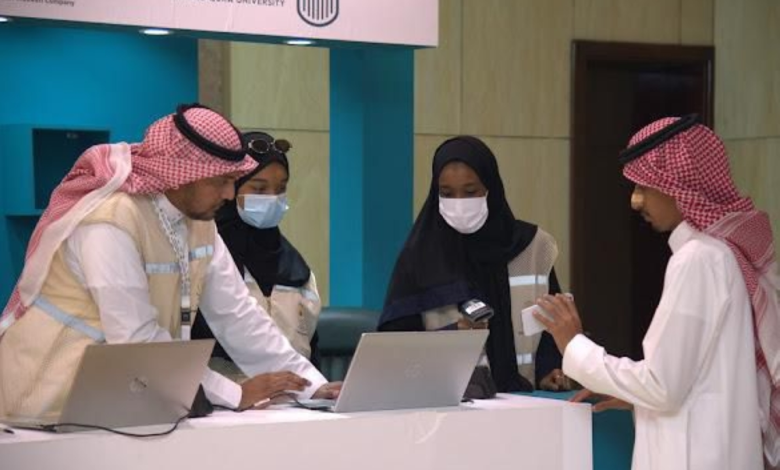
في إطار الاستعدادات المبكرة والمكثفة لضمان نجاح موسم حج 1447 هـ، أطلق مركز إرشاد الحافلات الناقلة لحجاج الخارج مبادرة استراتيجية واسعة النطاق بالتعاون مع معهد البحوث والدراسات والخدمات الاستشارية بجامعة أم القرى، وتحت إشراف مباشر من وزارة الحج والعمرة. يهدف هذا البرنامج التدريبي الرائد إلى تأهيل وتدريب 1500 مرشد وإداري من خلال تقديم أكثر من 7500 ساعة تدريبية مكثفة، تركز على إكسابهم المهارات والكفايات اللازمة لتقديم أرقى الخدمات لضيوف الرحمن.
تفاصيل البرنامج التدريبي والحقائب المعتمدة
يركز البرنامج التدريبي المُقدم من مركز إرشاد الحافلات على تزويد المرشدين والإداريين بالمعرفة العملية والنظرية من خلال حقائب تدريبية معتمدة رسمياً من وزارة الحج والعمرة. وتشمل هذه الحقائب: “حقيبة ترحاب” التي تركز على مهارات الاستقبال والضيافة، و”حقيبة فوج” المتخصصة في إدارة الحشود والتفويج، و”حقيبة صحتي” التي تعنى بالسلامة والإسعافات الأولية، بالإضافة إلى “حقيبة المهارات الشاملة”. كما يتضمن البرنامج تدريباً تقنياً متقدماً على استخدام تطبيق “أرشدني”، مما يسهل من عمليات التوجيه والمتابعة الميدانية للحافلات بدقة عالية.
السياق التاريخي لتطور خدمات الحج في المملكة
تاريخياً، تولي المملكة العربية السعودية منذ تأسيسها اهتماماً بالغاً ورعاية استثنائية بخدمة ضيوف الرحمن. لقد تطورت إدارة الحشود وتنظيم مواسم الحج بشكل جذري عبر العقود الماضية. فبعد أن كانت الخدمات تعتمد على الطرق التقليدية، انتقلت المملكة اليوم إلى مأسسة هذه الخدمات وتطويرها تقنياً وإدارياً لمواكبة الزيادة المليونية في أعداد الحجاج. ويأتي هذا التدريب المبكر لموسم حج 1447هـ كجزء من مسيرة تاريخية طويلة من التحسين المستمر، حيث باتت الاستعانة بالصروح الأكاديمية المتخصصة، مثل جامعة أم القرى، ركيزة أساسية لضمان تقديم خدمات مبنية على أسس علمية دقيقة ومدروسة تتناسب مع قدسية الزمان والمكان.
الأهمية والتأثير المتوقع محلياً ودولياً
يحمل هذا البرنامج التدريبي أهمية كبرى وتأثيراً يمتد على عدة أصعدة. على الصعيد المحلي، يسهم البرنامج في تنمية القدرات البشرية الوطنية، وخلق كوادر سعودية مؤهلة قادرة على إدارة الأزمات والتعامل باحترافية مع الحشود الضخمة. هذا التوجه يتماشى بشكل مباشر مع مستهدفات “رؤية السعودية 2030″، وتحديداً “برنامج خدمة ضيوف الرحمن”، الذي يهدف إلى إثراء وتعميق تجربة الحاج والمعتمر وتيسير استضافتهم وتقديم خدمات ذات جودة عالمية.
أما على الصعيدين الإقليمي والدولي، فإن نجاح هذه البرامج التدريبية ينعكس إيجاباً وبشكل مباشر على أمن وسلامة وراحة ملايين المسلمين القادمين من كافة أنحاء العالم. إن توفير مرشدين ملمين بمهارات التعامل الإنساني، وإدارة التفويج، والسلامة الصحية، يضمن تقليل المخاطر وتسهيل تنقلات الحجاج بين المشاعر المقدسة بكل يسر وطمأنينة. هذا المستوى العالي من التنظيم المسبق يعزز من مكانة المملكة العربية السعودية الإسلامية والعالمية، ويبرز للعالم أجمع قدرتها الفائقة والمستدامة على استضافة وإدارة أكبر تجمع بشري سنوي على وجه الأرض بأعلى معايير الجودة والأمان.