
يعد موسم الحج من أهم الأحداث الدينية السنوية التي تترقبها الأمة الإسلامية، حيث تتجه أنظار ملايين المسلمين نحو مكة المكرمة لأداء الركن الخامس من أركان الإسلام. وفي هذا السياق، تواصل الهيئة العامة للعناية بشؤون المسجد الحرام والمسجد النبوي جهودها الاستثنائية والمكثفة للارتقاء بجودة الخدمات المقدمة لضيوف الرحمن. وتتجلى هذه الجهود من خلال إطلاق منظومة ميدانية متكاملة تهدف إلى تيسير رحلة الحجاج وإثراء تجربتهم الإيمانية في أجواء مفعمة بالأمن والطمأنينة، مواكبةً لموسم حج هذا العام.
تاريخياً، أولت المملكة العربية السعودية منذ تأسيسها اهتماماً بالغاً بخدمة الحرمين الشريفين وقاصديهما، وجعلت من رعاية الحجاج أولوية قصوى. ومع تزايد أعداد الحجاج سنوياً، تطورت آليات العمل وانتقلت من الأساليب التقليدية إلى توظيف أحدث التقنيات العالمية. وتبرز أهمية هذا الحدث على الصعيدين الإقليمي والدولي في تقديم صورة مشرفة عن التنظيم والإدارة السعودية للحشود المليونية، مما ينعكس إيجاباً على راحة الحجاج القادمين من شتى بقاع الأرض، ويضمن لهم أداء مناسكهم بكل يسر وسهولة.
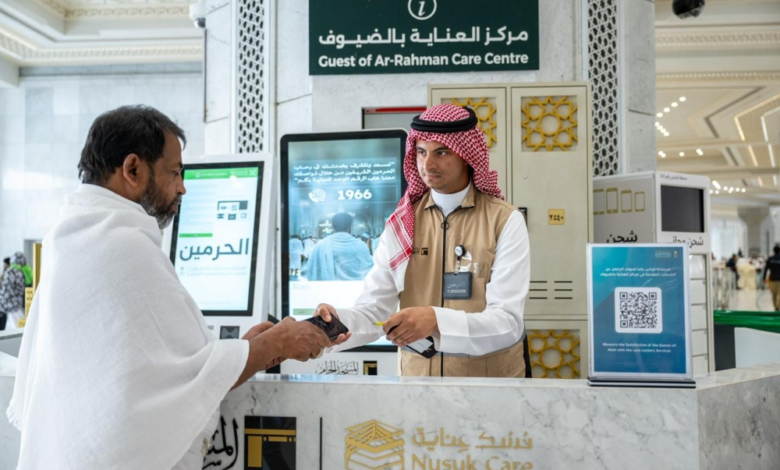
أوضحت “شؤون الحرمين” أنها قامت بتشغيل 21 مركزاً متخصصاً، تنقسم إلى مركزين رئيسيين و19 مركزاً فرعياً، موزعة بعناية داخل الحرمين الشريفين وساحاتهما. تعمل هذه المراكز على مدار الساعة دون توقف، ضمن منظومة تشغيلية موحدة تقدم باقة متنوعة من الخدمات الإنسانية والإرشادية واللوجستية. تشمل هذه الخدمات الإرشاد المكاني والتوعوي لمساعدة الحجاج في التنقل السلس داخل أروقة الحرمين، وتوجيههم لأداء المناسك بالطرق الشرعية الصحيحة. كما يتم تقديم الدعم الإنساني والتواصلي عبر الإجابة عن استفسارات الحجاج بعدة لغات عالمية حية، مما يسهم في كسر حواجز اللغة وتسهيل التواصل.
وأضافت الهيئة أن هذه المراكز تضطلع بمهام حيوية، منها إدارة ملف المفقودات من خلال إجراءات تقنية سريعة ومنظمة تضمن رصد وحفظ وإعادة المفقودات إلى أصحابها بكل يسر. علاوة على ذلك، تم تخصيص خدمات موجهة لدعم كبار السن والأشخاص ذوي الإعاقة، مما يسهم في تيسير تنقلهم الجسدي وضمان استفادتهم القصوى من كافة الخدمات الميدانية المتاحة.
عناية فائقة بالتائهين وحفظ الأمتعة
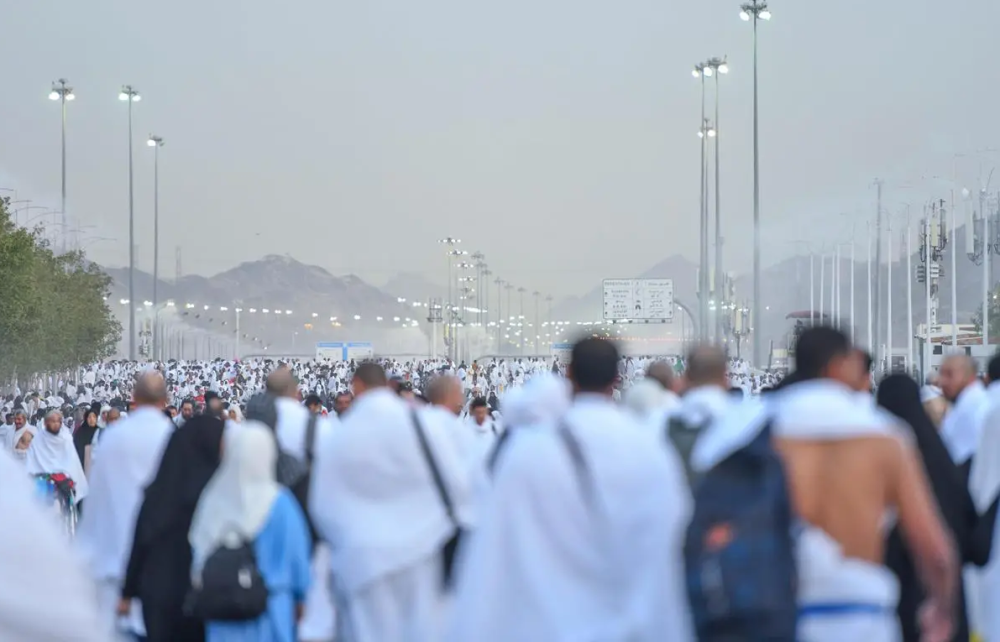
شددت الهيئة على إيلاء عناية بالغة وفائقة بالأطفال والنساء التائهين، خاصة في أوقات الذروة والزحام الشديد. يتم استقبالهم ورعايتهم في مقار مهيأة ومريحة، وفق إجراءات أمنية منظمة وآمنة، حتى يتم التواصل مع ذويهم وتسليمهم إليهم بشكل رسمي. هذا الإجراء الإنساني يعزز من مستوى الطمأنينة والاستقرار النفسي لضيوف الرحمن داخل أقدس البقاع.
وفي إطار تعزيز الانسيابية الميدانية والحد من ظواهر الازدحام والتكدس داخل الممرات والمصليات الرئيسية، أتاح المشروع خدمة متطورة لحفظ أمتعة الحجاج. إلى جانب ذلك، تم تفعيل قنوات تواصل رقمية حديثة تسهل الوصول للخدمات بسرعة وكفاءة، حيث وفرت الهيئة إمكانية الوصول إلى مواقع مراكز العناية بالضيوف جغرافياً عبر “رمز الاستجابة السريع” (QR Code). هذه التقنية تمكّن القاصد من تحديد موقع أقرب مركز خدمة له عبر هاتفه الذكي والوصول إليه في ثوانٍ معدودة.
وأكدت الهيئة العامة للعناية بشؤون الحرمين جاهزية هذه المراكز وموظفيها للعمل بكامل طاقتها الاستيعابية والتشغيلية خلال موسم الحج، تعزيزاً ودعماً لمستهدفات رؤية السعودية 2030 الرامية إلى إثراء تجربة ضيوف الرحمن، ورفع جودة الخدمات المقدمة لهم عبر نماذج خدمة متطورة ومؤسسية تضمن سلامة وراحة الجميع.