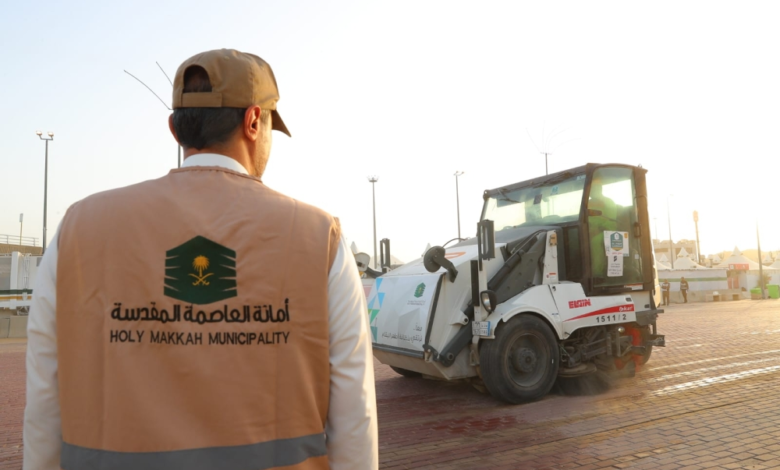

في إطار الجهود المكثفة لخدمة ضيوف الرحمن خلال موسم الحج، أعلنت وزارة الشؤون البلدية والقروية والإسكان، ممثلة في أمانة العاصمة المقدسة، عن نجاح خطتها التشغيلية للنظافة والإصحاح البيئي، حيث تم رفع كميات هائلة من النفايات بلغت أكثر من 250 ألف طن في مكة المكرمة و16 ألف طن في منطقة المشاعر المقدسة، مما يعكس حجم التحدي اللوجستي والنجاح في إدارته بكفاءة عالية.
خلفية وتحديات إدارة الحشود في الحج
يُعد موسم الحج أحد أكبر التجمعات البشرية السنوية في العالم، حيث يفد ملايين المسلمين من كل فج عميق إلى مكة المكرمة والمشاعر المقدسة لأداء الركن الخامس من أركان الإسلام. هذا التجمع الهائل في بقعة جغرافية محدودة وخلال فترة زمنية قصيرة يفرض تحديات لوجستية استثنائية، تأتي في مقدمتها إدارة النفايات والحفاظ على الصحة العامة. تاريخيًا، أولت حكومة المملكة العربية السعودية اهتمامًا بالغًا بتطوير البنية التحتية والخدمات المقدمة للحجاج، مستثمرةً في أحدث التقنيات والكوادر البشرية لضمان سلامتهم وراحتهم، وتُعد عمليات النظافة والإصحاح البيئي حجر الزاوية في هذه المنظومة المتكاملة.
تفاصيل الخطة التشغيلية وأرقام قياسية
أوضحت الوزارة أن إجمالي النفايات المرفوعة في مكة المكرمة تجاوز 250 ألف طن منذ منتصف شهر ذي القعدة، بمتوسط يومي يزيد على 6 آلاف طن. أما في نطاق المشاعر المقدسة (منى، عرفات، مزدلفة)، فقد تجاوزت كمية المخلفات والنفايات المرفوعة 16 ألف طن خلال أيام الحج الفعلية. وقد تم تنفيذ هذه الأعمال الميدانية الضخمة بمشاركة قوة بشرية هائلة تضم أكثر من 22 ألف كادر، مدعومين بأسطول من المعدات والآليات الحديثة بلغ عدده 3 آلاف معدة. كما تم توزيع ما يزيد عن 88 ألف وحدة نظافة، تشمل الحاويات وصناديق الضغط والمخازن الأرضية، لضمان تغطية كافة المواقع ذات الكثافة العالية ورفع كفاءة عمليات الجمع والنقل.
أهمية الجهود وتأثيرها المحلي والدولي
لا تقتصر أهمية هذه الجهود على الجانب الخدمي فقط، بل تمتد لتشمل أبعادًا صحية وبيئية ودولية. فعلى الصعيد المحلي، تساهم هذه العمليات في الحفاظ على بيئة صحية آمنة لحجاج بيت الله الحرام وسكان مكة، وتمنع انتشار الأمراض والأوبئة، وتحافظ على الصورة النقية والمشرفة للمقدسات الإسلامية. أما على الصعيد الدولي، فإن نجاح المملكة في إدارة هذا الملف المعقد يعزز مكانتها وريادتها في العالم الإسلامي، ويقدم نموذجًا عالميًا في إدارة الحشود والفعاليات الكبرى. كما يبعث الطمأنينة لدى دول العالم على سلامة مواطنيها العائدين بعد أداء الفريضة، مما يؤكد على حجم المسؤولية التي تضطلع بها المملكة لخدمة الإسلام والمسلمين.
وأكدت الوزارة أن الفرق الميدانية واصلت أعمال إعادة التهيئة السريعة للمشاعر المقدسة عقب تنقل الحجاج بينها، من خلال إزالة المخلفات وغسل المواقع وتجهيز الممرات والساحات، ضمن خطط تشغيلية متواصلة مدعومة بغرف متابعة ميدانية تعمل على مدار الساعة لضمان استمرارية الخدمات البلدية وتمكين ضيوف الرحمن من أداء مناسكهم بكل يسر وطمأنينة.